 No Ground
Updated Oct. 16, 2026, 8:43 a.m. ET. Dragon has arrived. According to NASA’s station blog, it docked to the space-facing port of the station’s Harmony module at 10:27 a.m. ET on Oct. 15, ahead of the 11 a.m. target.
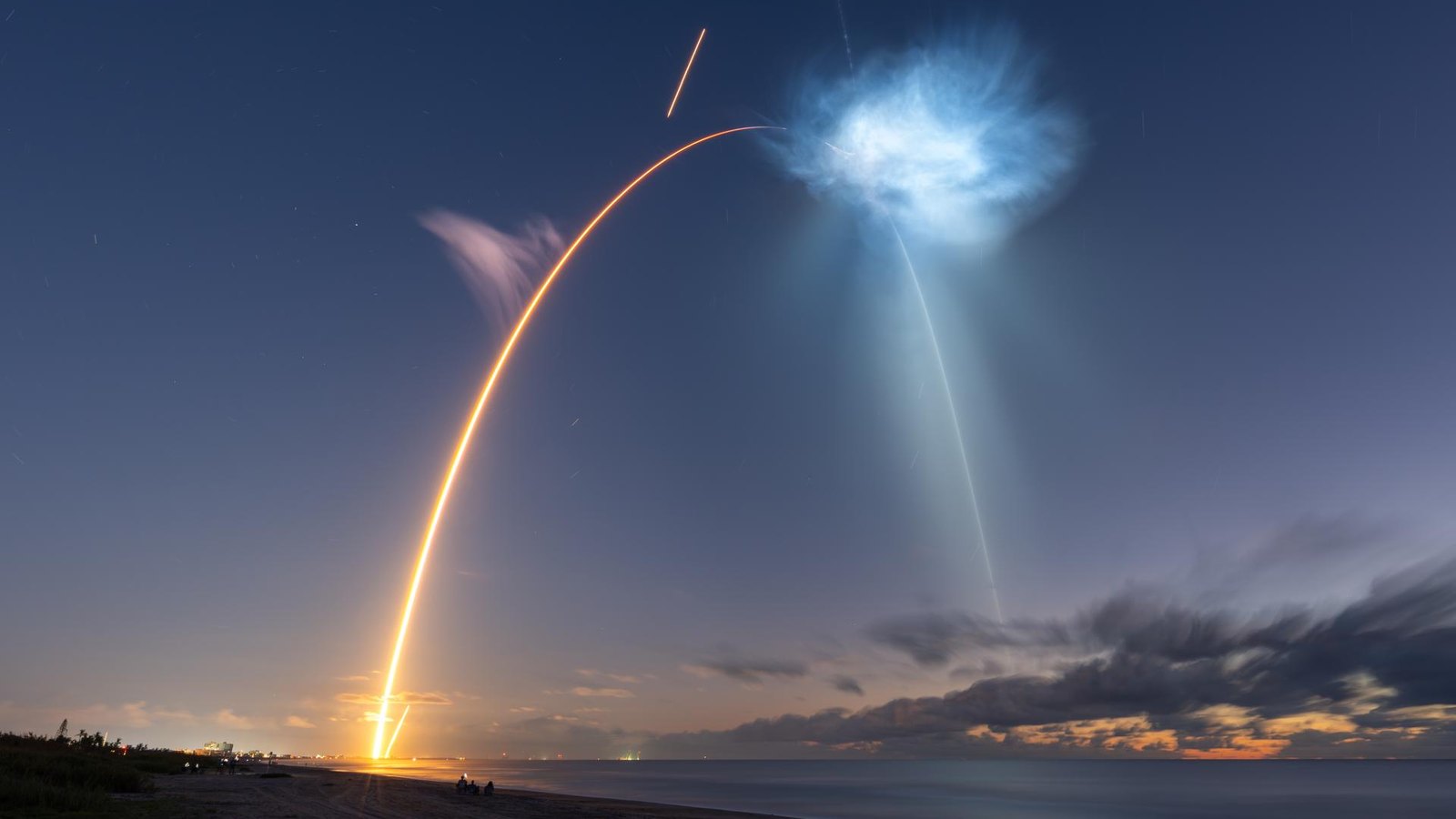
Updated Oct. 13, 2026, 1:17 p.m. ET. CRS-35 launched successfully this morning. This story was first published Oct. 12 as a pre-launch preview and has been updated with the launch, the booster landing and today’s NASA photos.
The last of the space station’s new solar arrays is on its way.
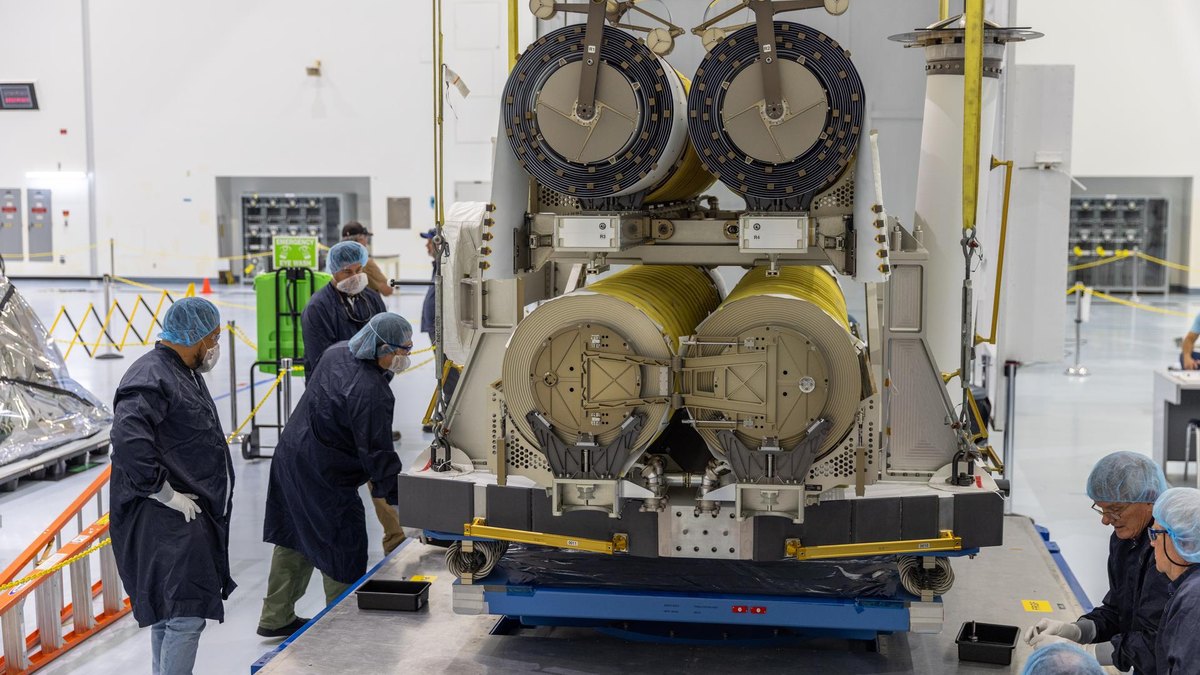
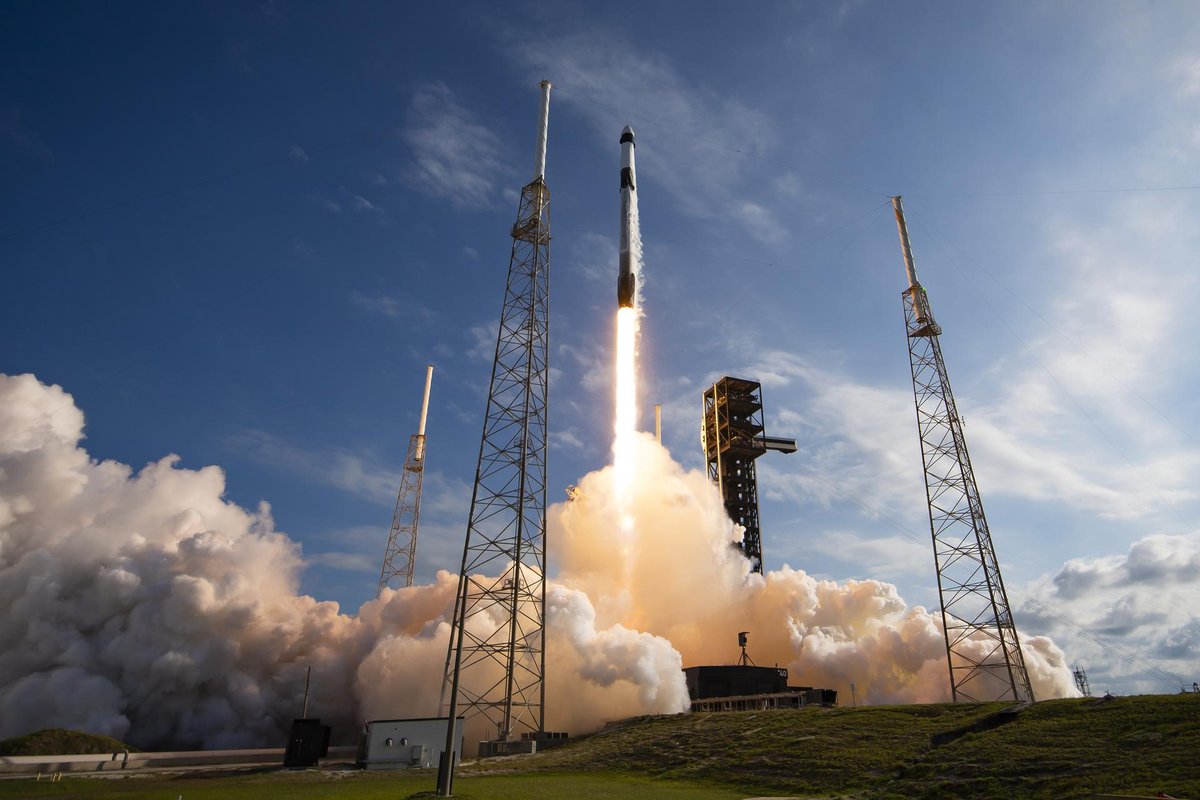
NASA’s SpaceX 35th commercial resupply mission, CRS-35, “lifted off at 6:33 a.m. EDT Tuesday aboard a Falcon 9 rocket from Space Launch Complex 40 at Cape Canaveral Space Force Station in Florida, carrying more than 6,300 pounds of supplies and hardware, bound for the International Space Station,” NASA said in its post-launch release. The cargo includes the final pair of the station’s roll-out solar arrays.
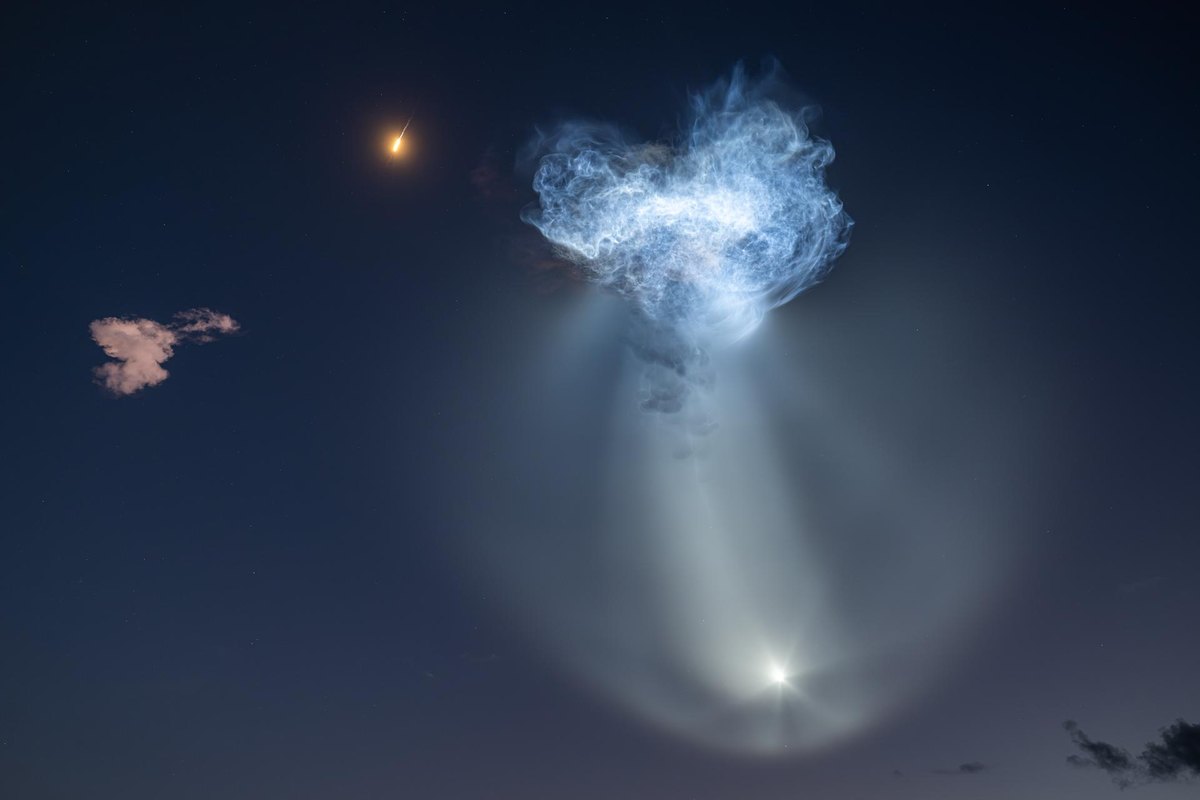
The launch went up just before sunrise, and the rocket’s exhaust lit up in sunlight high above the still-dark coast. Fewer than 7.5 minutes after liftoff, the Falcon 9 first stage landed at Landing Zone 40, next to the pad, Spaceflight Now reported. About two minutes later, Dragon separated from the upper stage to start its two-day trip.
The solar arrays
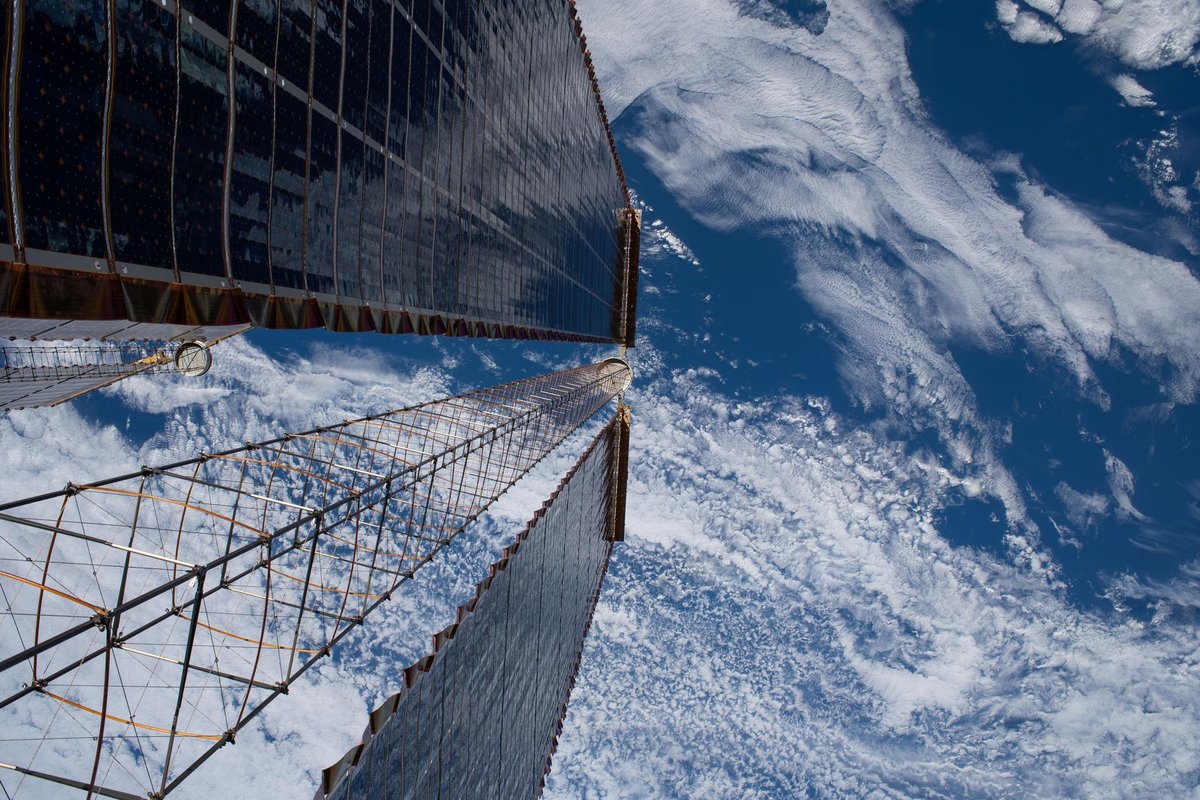
NASA calls them iROSAs, short for International Space Station Roll-Out Solar Arrays. They launch rolled up and roll open in space. NASA says they’re more compact than the earlier arrays while providing the same amount of power.
Six are already working on the station. Before launch, NASA described the two flying on CRS-35 as “the final pair of IROSAs that will be installed on the space station, completing the augmentation of its power system to support critical operations, including its safe and controlled deorbit.” Its post-launch release says the final pair “will complete the space station’s power system augmentation, boosting available electricity for research, operations, and the station’s safe, controlled deorbit.” In other words, this hardware is meant to power the station through the end of its life, including the carefully steered descent planned for the end of its mission.
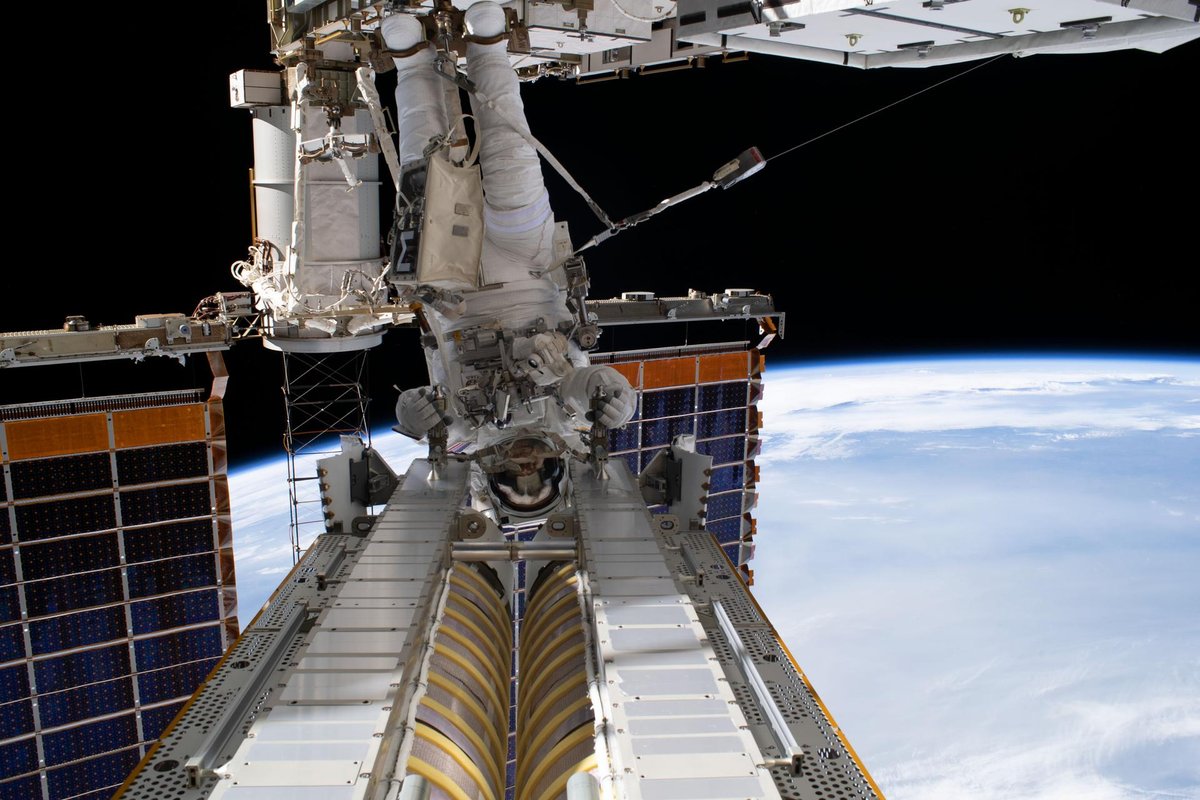
Getting the arrays there is only step one. NASA says “astronauts will install the arrays during a series of spacewalks planned for later this fall.” NASA did prep work for this pair, too: during a March 18, 2026, spacewalk, astronauts built and installed a modification kit “ahead of future solar array installation on the 2A power channel,” according to NASA’s photo caption from that day. NASA hasn’t given exact dates for the installation spacewalks.
What else is on board
NASA lists several new experiments on board:
Explore your sky tonightLive sky map for where you are: planets, the ISS and bright stars above your horizon.- LambdaVision-1 builds artificial retinas one thin layer at a time. In microgravity, less settling could make the layers more uniform. The goal is implants that could help restore sight in people with currently incurable retinal diseases.
- Stellar Spheroids grows 3D human heart tissue models to see whether microgravity helps them form better networks of blood vessels. That could lead to more realistic models for disease research and drug testing.
- ELF-Unconventional Glass 2 studies how glass made from non-traditional elements forms in microgravity. Samples come back to Earth for analysis.
- MINDS uses brain organoids, including “organoid villages” made from several people’s cells, to study inflammation linked to Alzheimer’s, Parkinson’s and multiple sclerosis.
NASA’s science division adds a few more. Small lab-grown brain models will spend five weeks in orbit and be compared with identical ones kept on Earth. A crop study will test whether a fungal plant disease develops faster in microgravity. A compact plate reader is set for its first test at measuring biomarkers on the station. And a study tracking antibiotic-resistant bacteria is flying for its fourth and final planned stay.
Europe has a student payload aboard, too. The European Space Agency says SCAMPI, built by 51 university students through the ESA Academy Experiments Programme, launched on CRS-35. It’s a sealed saltwater ecosystem with shrimp, algae and microbes. Once it arrives, an astronaut will install it in the ICE Cubes Facility inside Europe’s Columbus module, where students will track how microgravity affects the ecosystem.
There’s practical hardware as well: a collapsible contingency urinal being tested for NASA’s Artemis III mission, toilet and maintenance parts, and an empty foam case. That case will bring home a failed joint from the Canadarm2 robotic arm, replaced during a June 30 spacewalk.
The rocket and the capsule
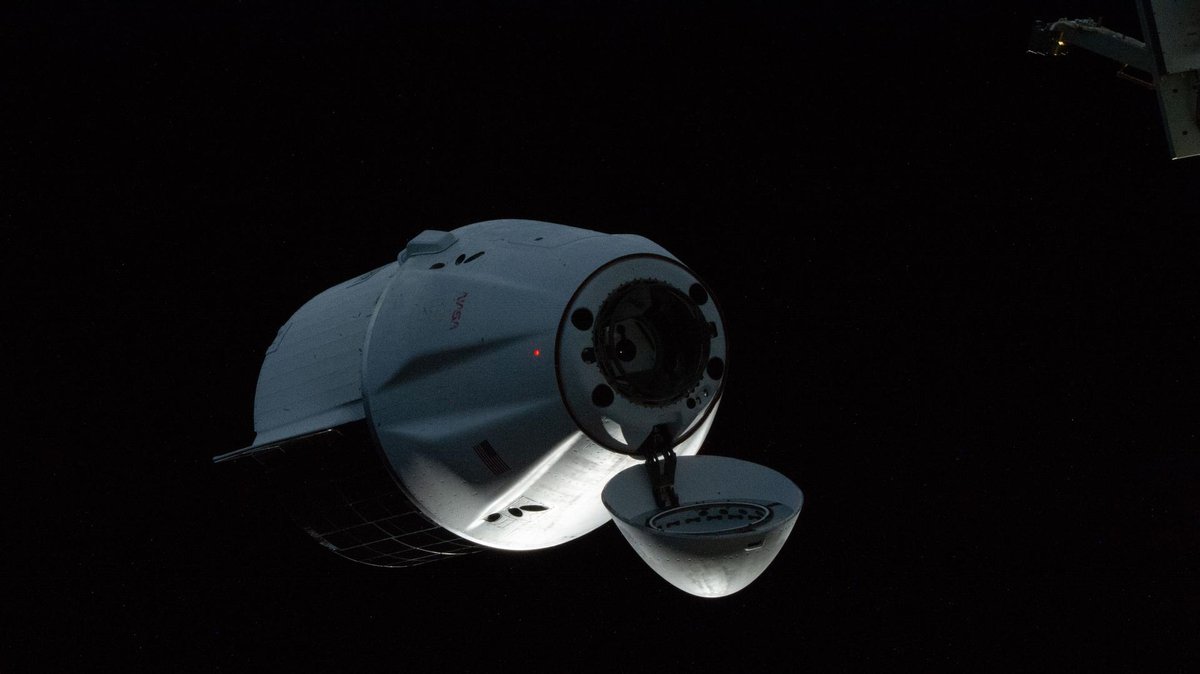
SpaceX says this Dragon is on its fourth flight. Spaceflight Now identifies it as Cargo Dragon C211. It previously flew the CRS-26, CRS-29 and CRS-33 missions to the station and back.
The Falcon 9 first stage, which Spaceflight Now identifies as booster B1096, flew for the eighth time. Its earlier missions include KF-01, IMAP, NROL-77, GPS III-9, CRS-34, NROL-95 and one Starlink flight. It landed at Landing Zone 40 at Cape Canaveral.
The weather cooperated. Two days out, the 45th Weather Squadron had forecast a 99% chance of favorable conditions, and the rocket launched on time.
The docking
- The trip: about 52 hours, according to SpaceX.
- Docking: Dragon docked at 10:27 a.m. ET Thursday, Oct. 15, to the space-facing port of the Harmony module, delivering more than 6,300 pounds of food, supplies and equipment, according to NASA. NASA had targeted 11 a.m.
- Who’s watching: NASA astronaut Anil Menon and Canadian Space Agency astronaut Joshua Kutryk were assigned to monitor the arrival from inside the station.
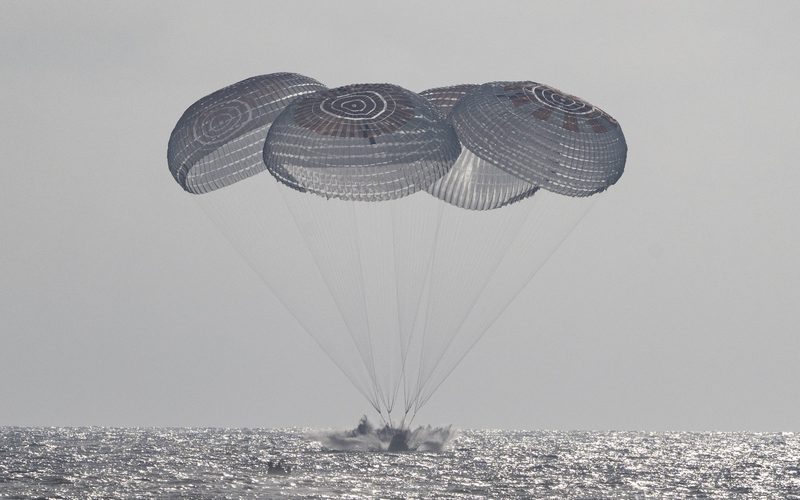
Dragon is scheduled to stay about a month. NASA says it will leave in mid-November with research and hardware, including that robotic-arm joint and a spacesuit due for refurbishment, and splash down off California.
The station won’t fly forever. Tuesday’s launch sent up the hardware NASA says will keep it powered all the way to its controlled deorbit.
No Ground. Stay curious.