 No Ground
Technology
Rockets, instruments, and the engineering behind exploration.
Technology is about the engineering that makes exploration possible: rockets and reusable boosters, power systems, robotic arms, solar arrays and the instruments that do the measuring. These stories ask how a thing works and why it was built that way.
Space technology is full of trade-offs, between mass and power, cost and reliability, speed and safety, and we try to show them with real figures and original diagrams instead of marketing language. Where a company’s claims have not yet been tested in flight, we say so plainly. Start with what Starship had to prove on its first orbital flight, why NASA wants a nuclear reactor on the Moon, or a robot that assembled a structure in orbit.
Technology overlaps with Missions, which covers individual flights. Here the focus is the hardware and the ideas behind it, the parts that will still matter after a particular launch is forgotten.
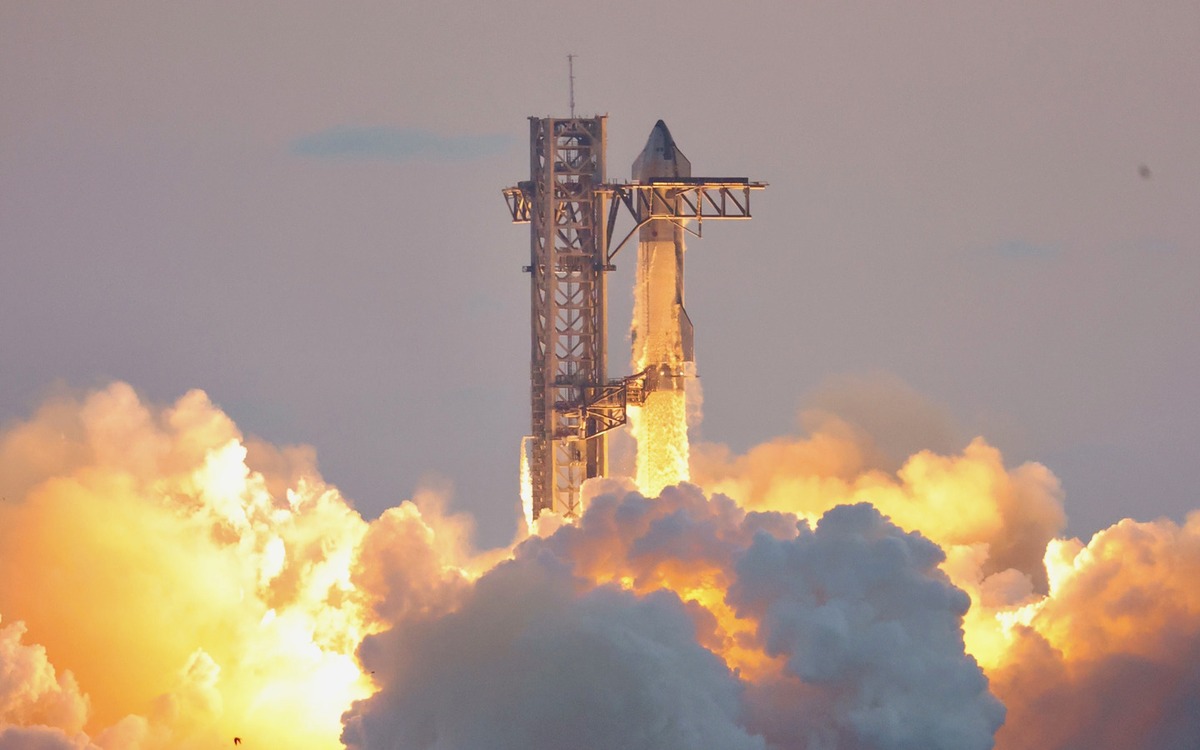
US Approves SpaceX Plan for 1 Million Data Centre Satellites
The FCC has licensed Starmind, up to a million SpaceX satellites meant to run AI computers in orbit. Here is what was approved, the 2033–2040 deadlines, and why astronomers object.
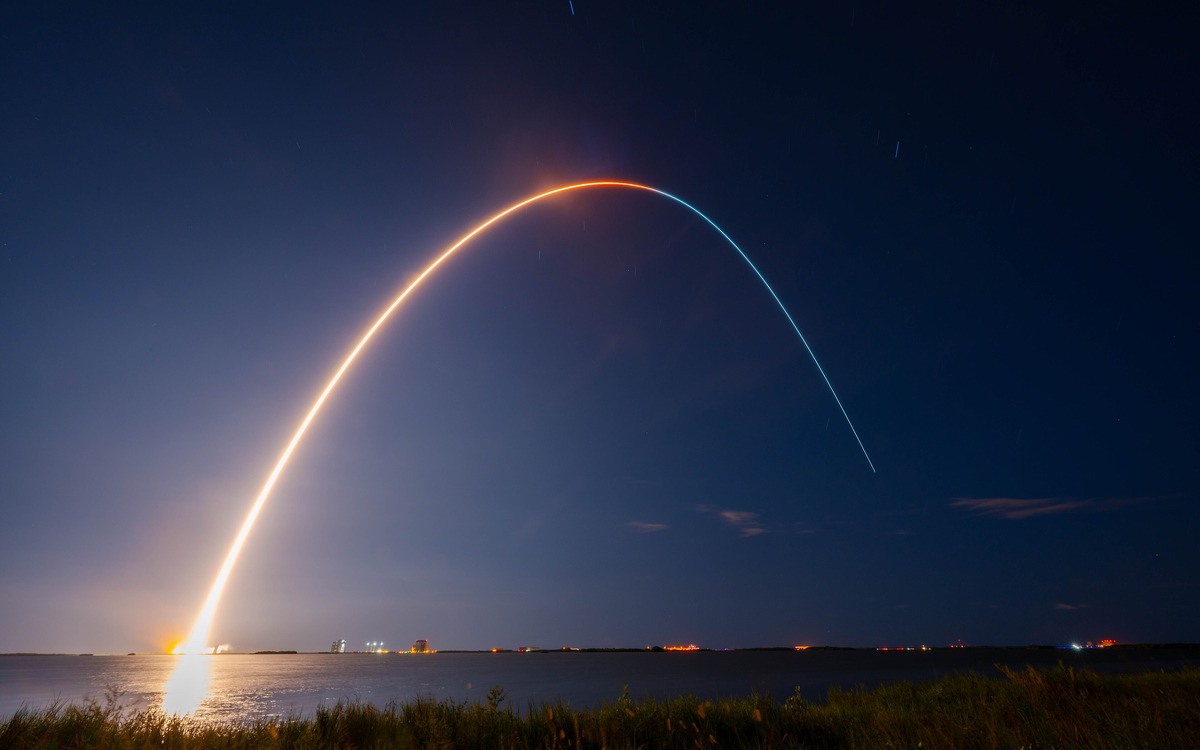
Vulcan Failed, and 40 Amazon Satellites Never Reached Orbit
A day after a Starship came home from orbit, ULA’s Vulcan suffered an anomaly about 10 minutes into flight. It is ULA’s first mission failure in about 20 years. ULA says preliminary data points to too little fuel reaching the BE-4 engines.
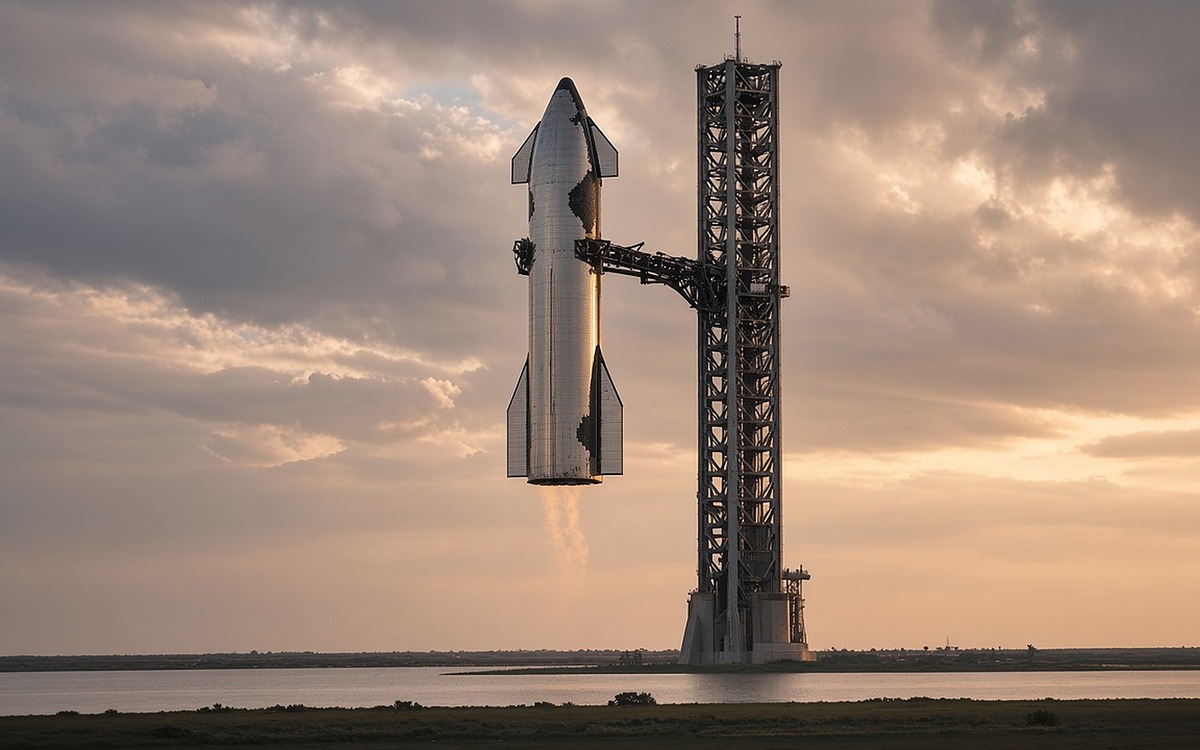
SpaceX Caught a Starship Returning From Orbit
Ship 42 flew about 14 orbits, then settled into the launch tower’s arms at Starbase. The booster on the same flight aborted its own catch and was lost in the Gulf of Mexico.
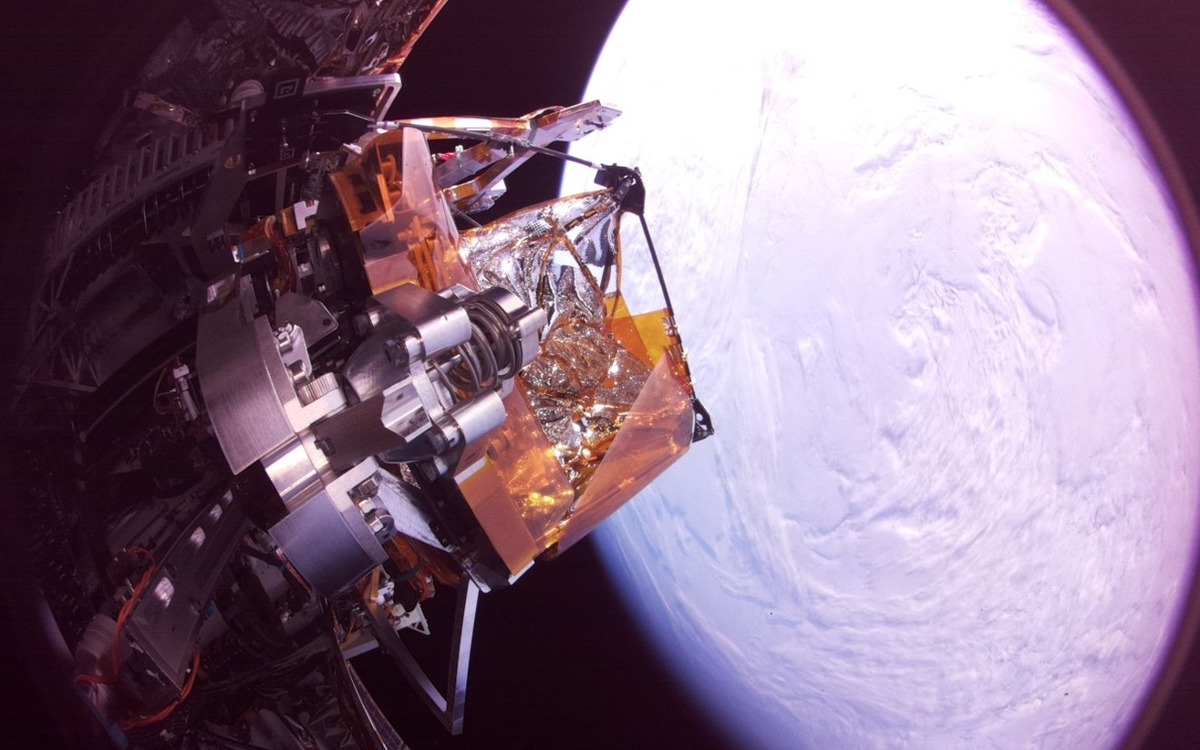
For the First Time, a Robot Built a Structure in Space Without Astronauts
A Caltech robot funded by DARPA assembled a new section of an antenna frame in orbit, from a box of struts and joints. It won’t finish the job, but it showed the idea can work.
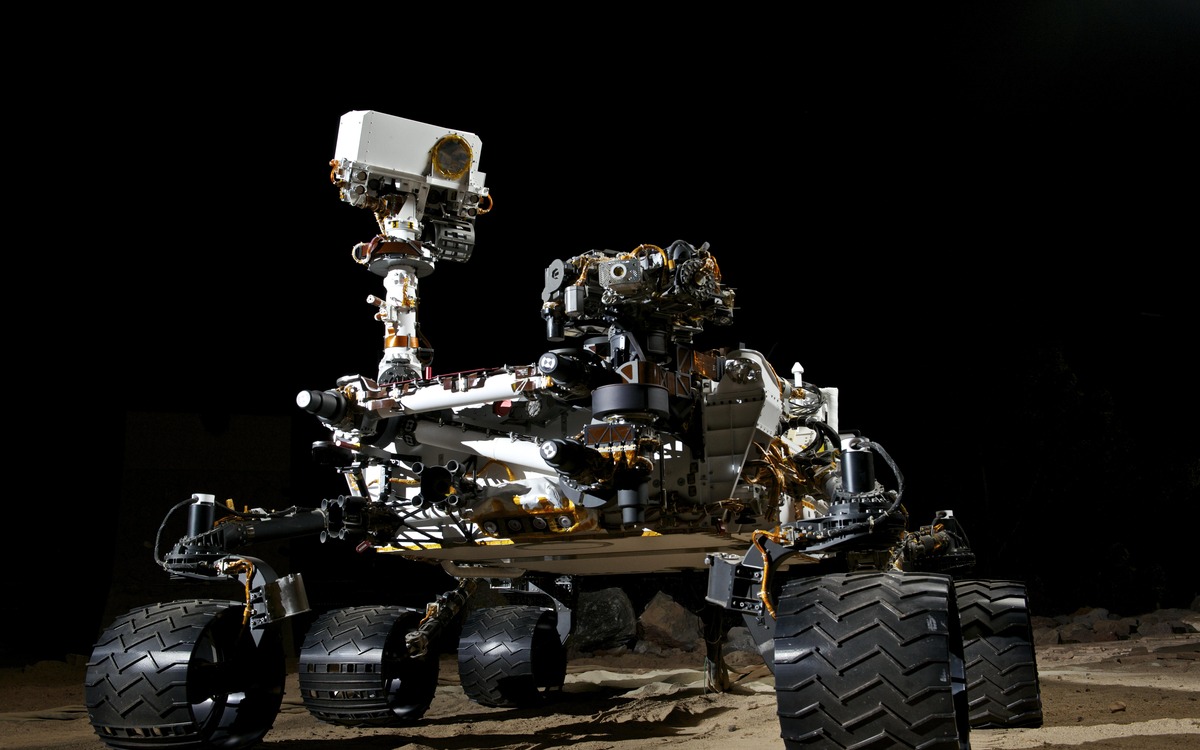
NASA Is Sending a Nuclear-Powered Rover Into the Moon’s Dark
PROMISE, built from Mars rover hardware, is designed to keep working through the lunar night and inside shadowed craters that may hold ice. NASA is targeting a late-2028 launch.
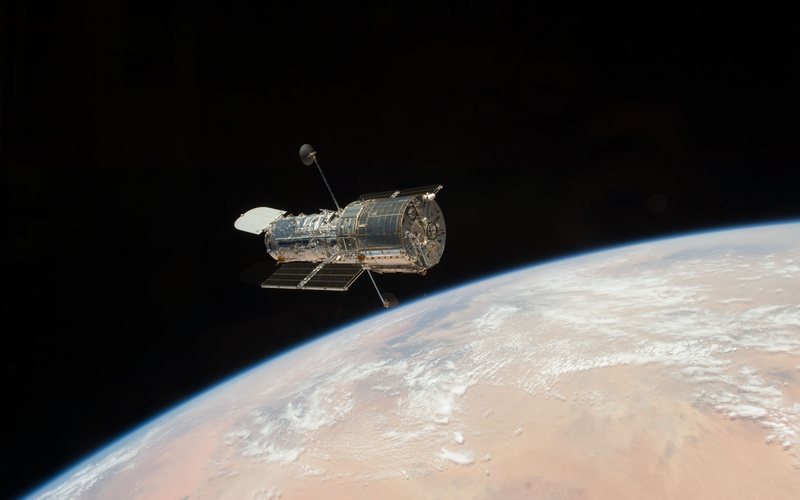
NASA Is Asking Companies How to Save Hubble Before It Falls
No engine, a slowly sinking orbit and a likely reentry in 2033 to 2034. NASA is asking companies who could reach Hubble by 2032.
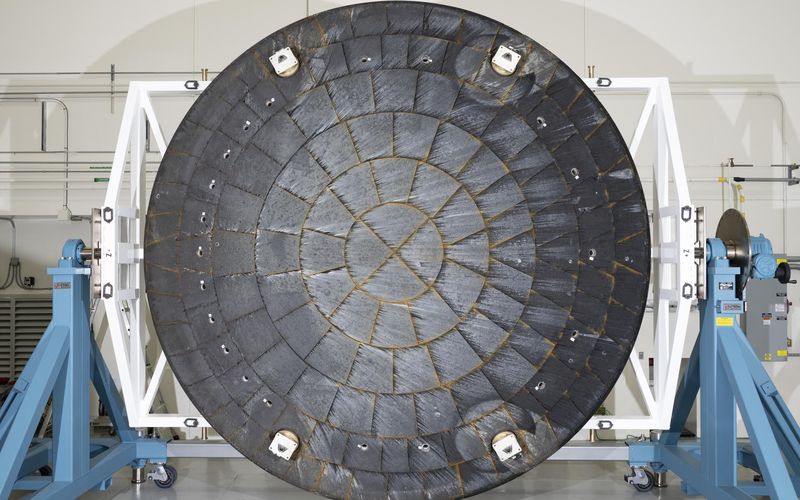
Artemis II’s heat shield passed the test
9 char-loss spots vs. 103 on Artemis I. A shorter reentry path cut damage tenfold; Mach 39 and 4,000°F+ outside, mid-70s inside.
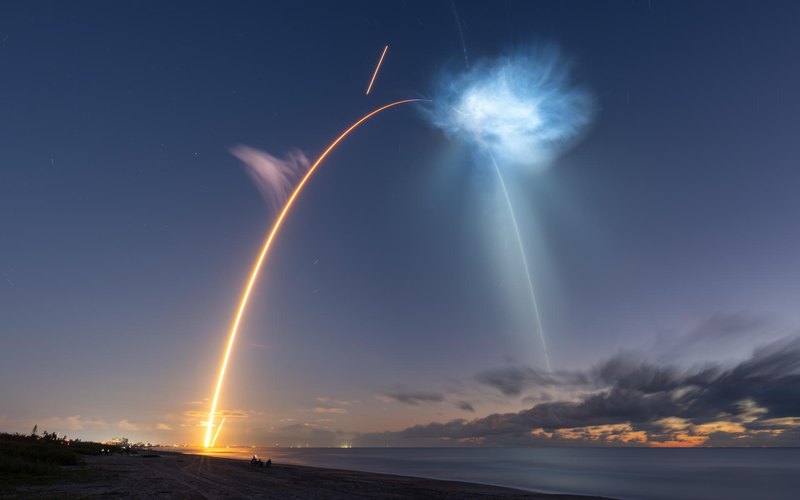
CRS-35 launched with the station’s last new solar arrays
Launched 6:33 a.m. ET Oct. 13; booster landed at LZ-40. 6,300+ lb, including the final iROSA solar arrays. Docked 10:27 a.m. ET Oct. 15.
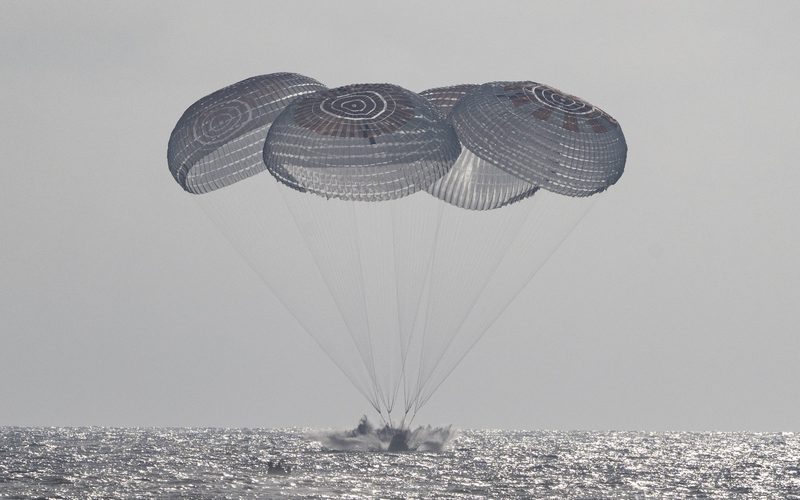
Crew-12 is home after 237 days in space
Splashed down off Los Angeles at 11:34 a.m. ET Oct. 8 in Crew Dragon Freedom after 237 days and 3,792+ orbits.
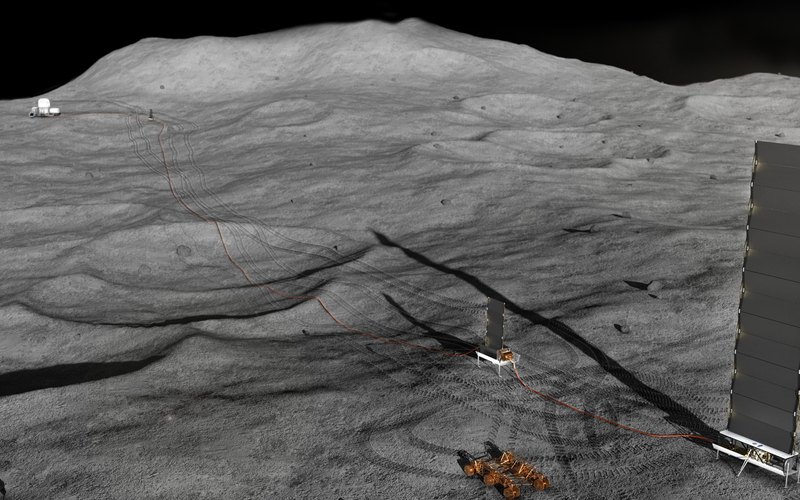
A two-week lunar night is why a reactor is on the table
NASA and DOE want fission power on the Moon by 2030. Russia and China are talking mid-2030s. Neither reactor is there yet.
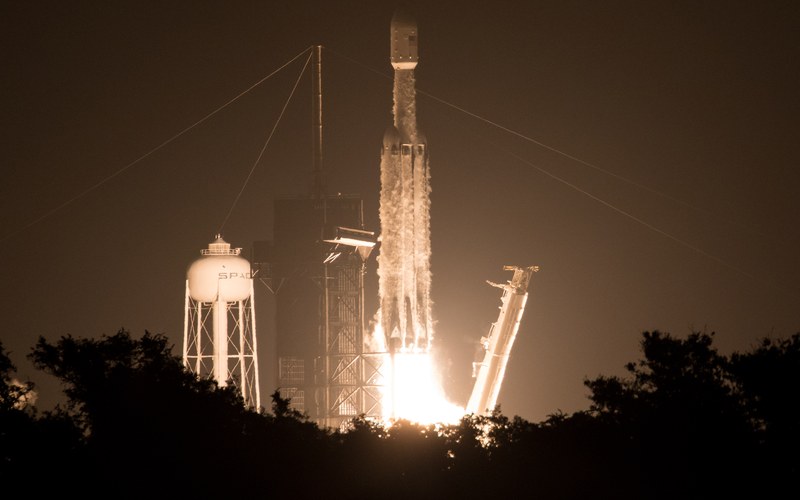
Falcon Heavy launches NROL-97 from pad 39A
Falcon Heavy lofted the classified NROL-97 mission at 11:54 p.m. ET Oct. 1 from LC-39A. Side boosters landed at LZ-1 and LZ-2; first NRO Falcon Heavy flight.
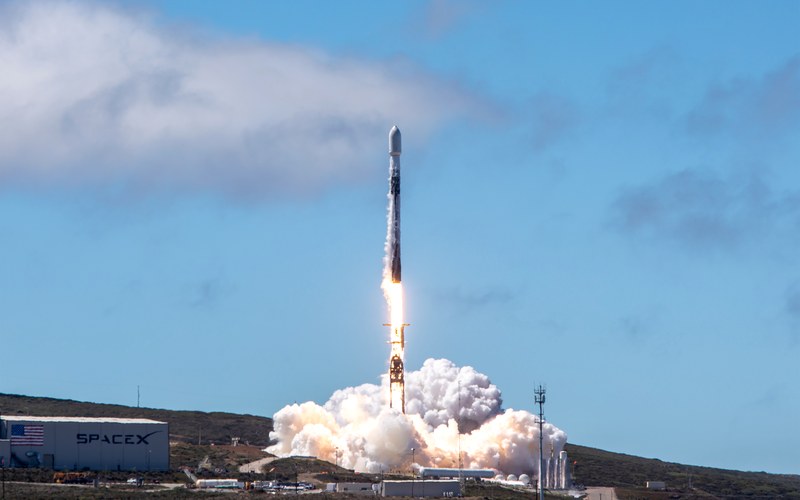
Transporter-18 succeeds — 130 payloads to SSO
SpaceX’s Transporter-18 rideshare lifted off ~11:32 a.m. PT Oct. 1 from Vandenberg SLC-4E with ~130 payloads to SSO. Deployments finished ~3:41 p.m. ET; booster landed at LZ-4.
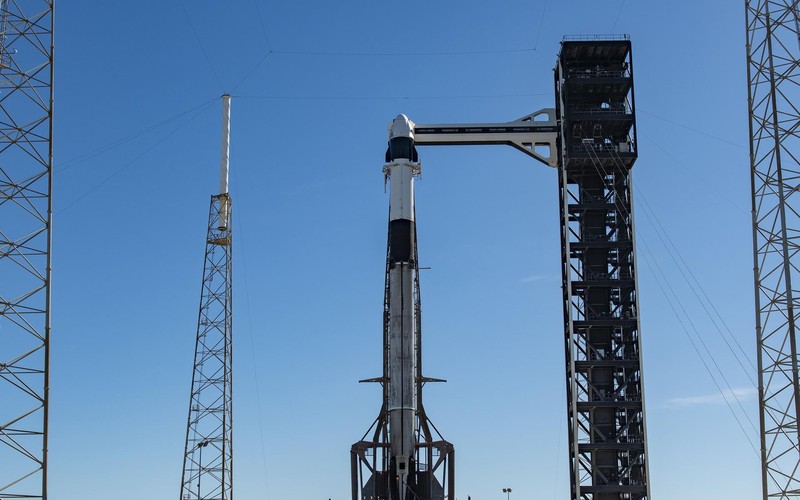
Crew-13 docks at ISS — fastest U.S. launch-to-docking
Crew-13 docked at the ISS at 7:05 p.m. EDT Oct. 1 — 7h 55m after liftoff, the fastest U.S. launch-to-docking in station history. The hatch opened at 9:19 p.m. EDT.

ESA’s Smile begins science operations
Smile is approved for science ops. UVI captured the full northern aurora ring in UV — the first since 2008.
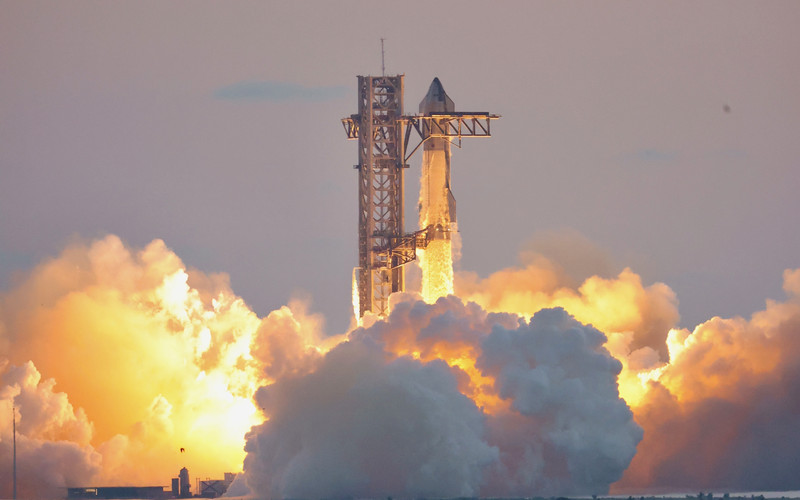
Starship reaches orbit — Flight 14 deploys 26 Starlinks
From Starbase to orbit, then a fiery Pacific return. Flight 14 closed the loop Starship had never closed before.