 No Ground
Discoveries
Findings that change how we see Earth, space, and ourselves.
Discoveries is for new findings: results that change what scientists know about planets, stars, galaxies or our own world. Most begin as a peer-reviewed paper or an announcement from an observatory or space agency, and we link to the original so you can check it yourself.
We separate what was measured from what is suggested. If a team calls a detection “probable”, so do we, and if an idea needs more data, we say what that data is and when it might come. Recent examples include stars that seem to vanish without exploding, the organic molecules Curiosity found on Mars, and a runaway star’s bow shock in the Shrimp Nebula.
A discovery story is not a hype story. You will not find “scientists baffled” or invented numbers here. For background explainers that help these results make sense, visit Science; for what you can see with your own eyes, visit Astronomy.
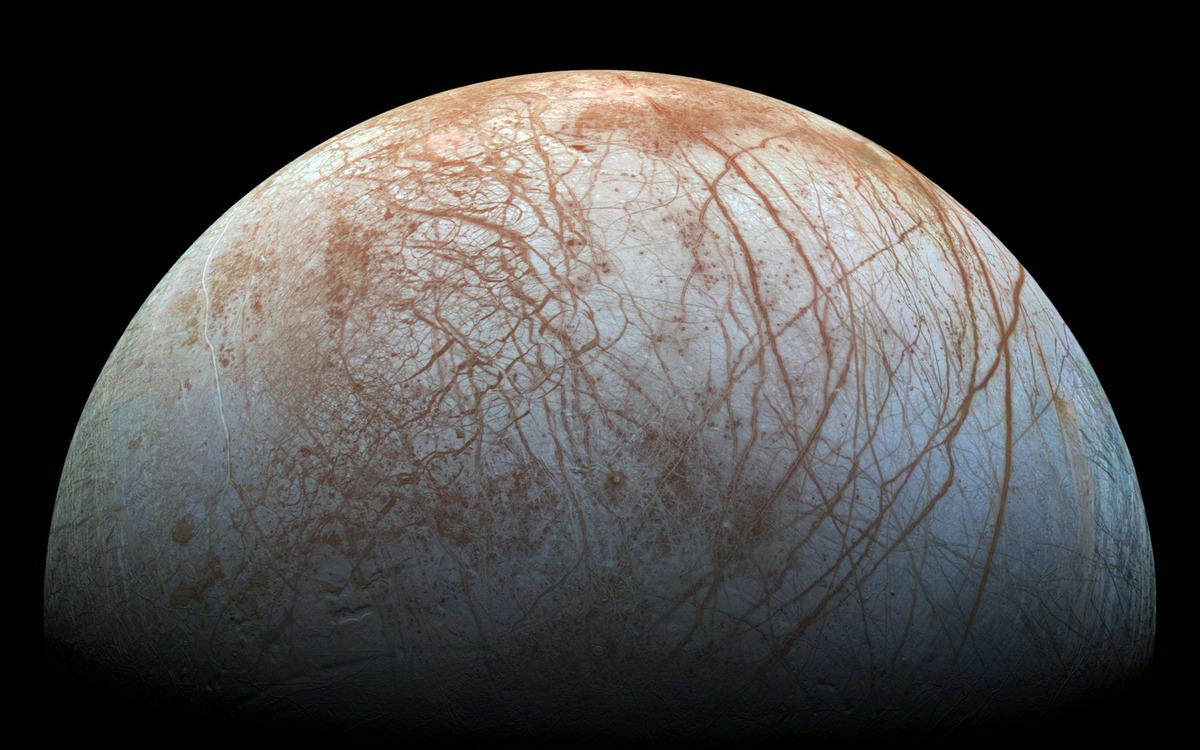
Europa’s Giant Sodium Cloud Points to Its Hidden Salty Ocean
More than 20 years of Keck Observatory data show the salt-atom cloud around Jupiter’s moon Europa stays steady no matter what volcanic Io does. Here is why scientists think it comes from Europa’s own ocean.
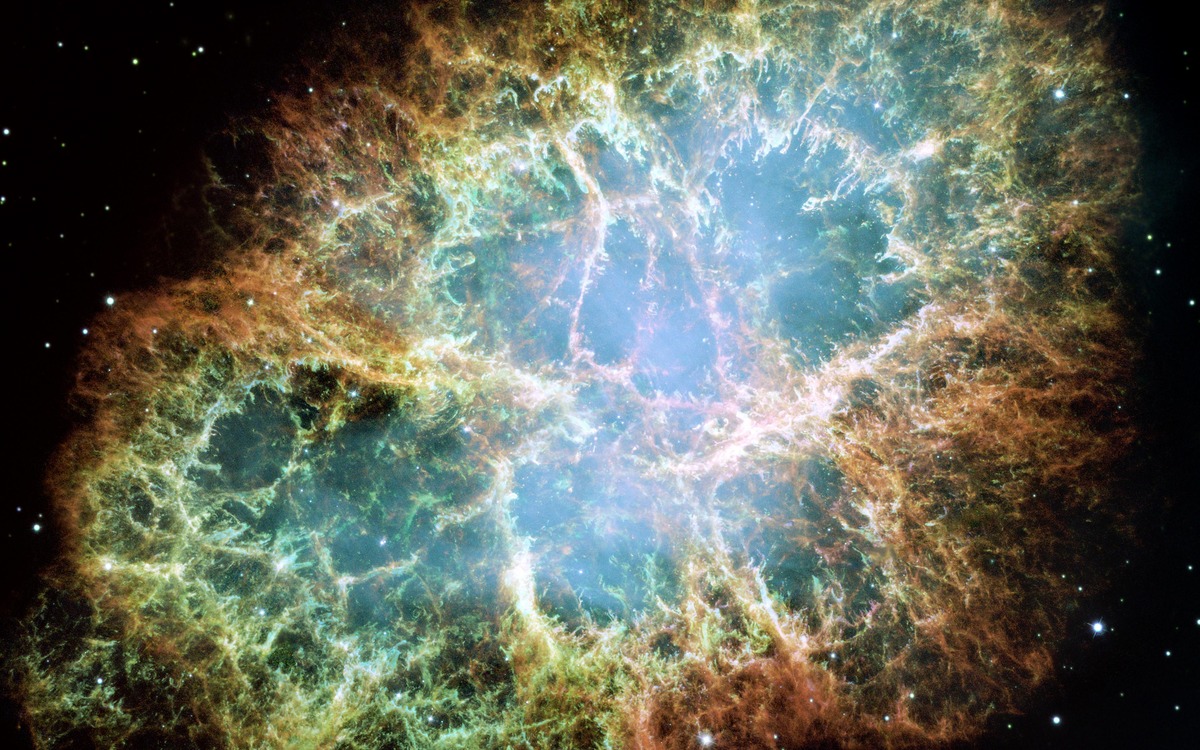
Codebreaking Math Found a Hidden Pulsar a Million Times Faster
A dead star spinning 261 times a second was hiding in 15 years of NASA Fermi data. The old search failed after the equivalent of 600 years of computing. A code-breaker’s trick found it in about 10 hours.
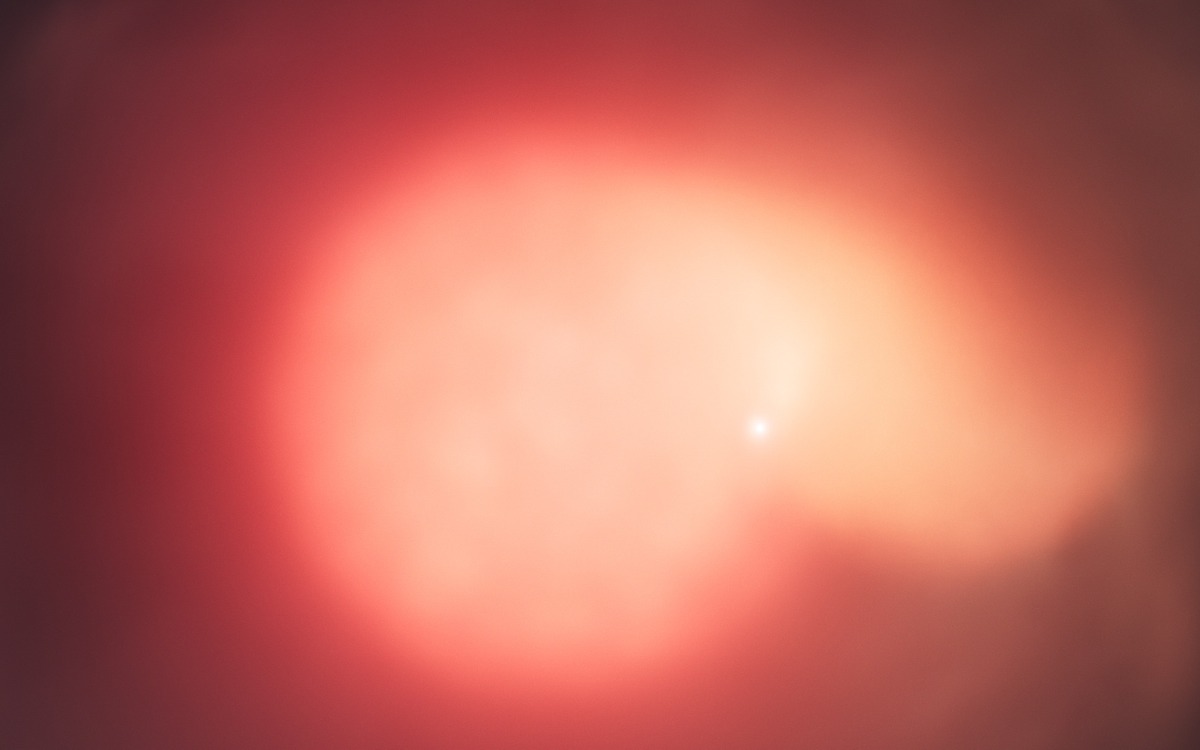
Astronomers Watched a Giant Star Swallow Its Companion
For seven years, a smaller star spiraled inside a giant in the Andromeda galaxy. Then it erupted. Webb and four other telescopes caught the first stellar merger of its kind from start to finish.
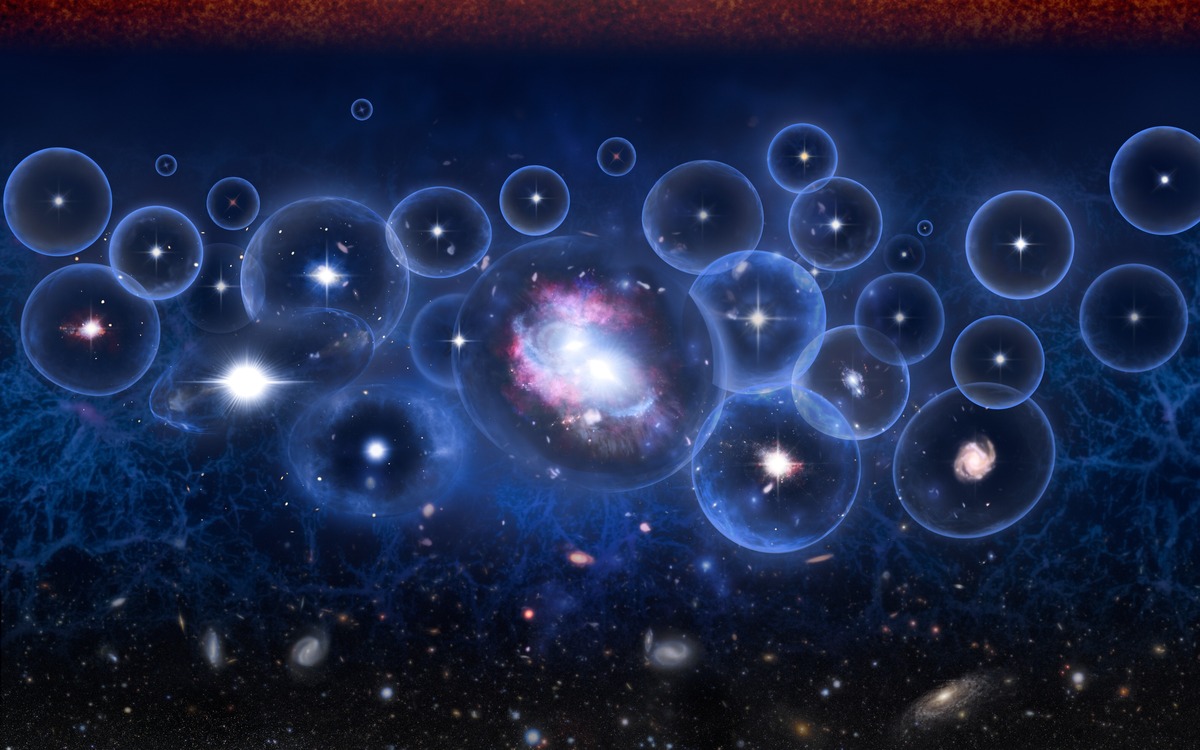
Two Giant Black Holes Grew Up Way Too Fast
Webb and the Gemini North telescope found the oldest close pair of quasars, seen 900 million years after the Big Bang. The two black holes weigh 1.5 billion and 400 million Suns, and no one can explain how.
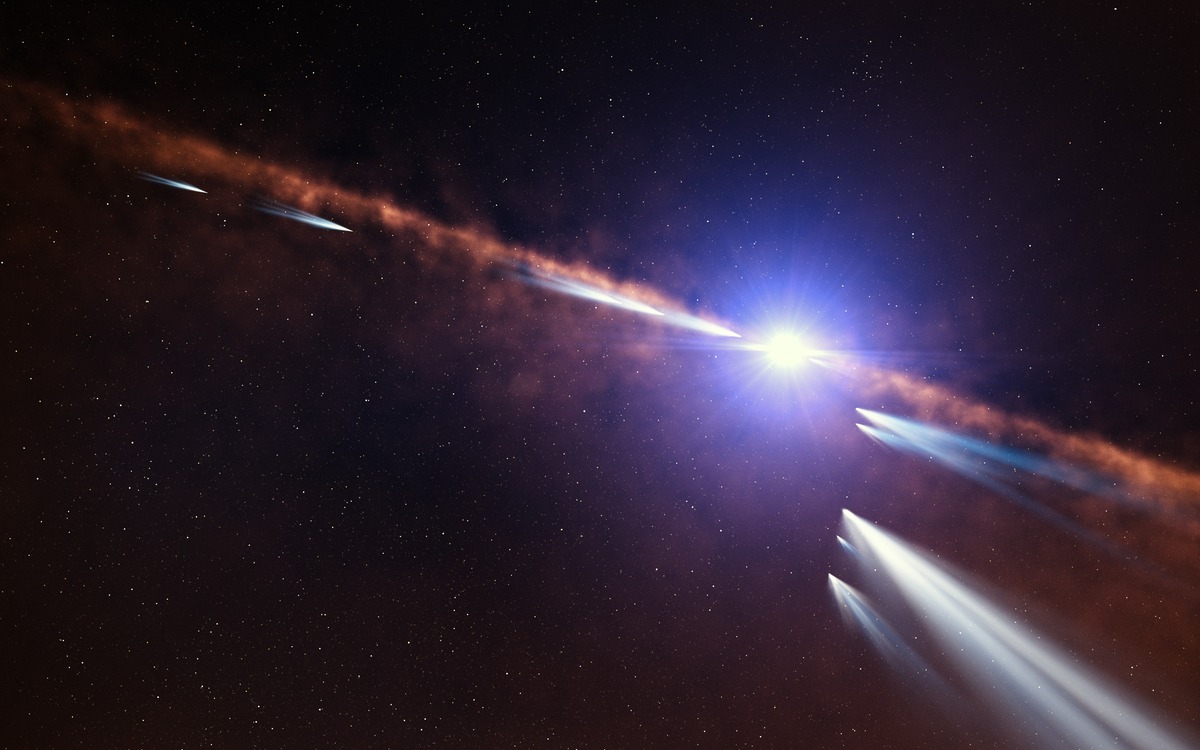
Webb Found Ice That May Be Older Than Its Star
Around Beta Pictoris, 64 light-years away, Webb found glassy water ice mixed with frozen carbon dioxide, in about the same recipe as comets in our solar system. It probably froze before the star was born.
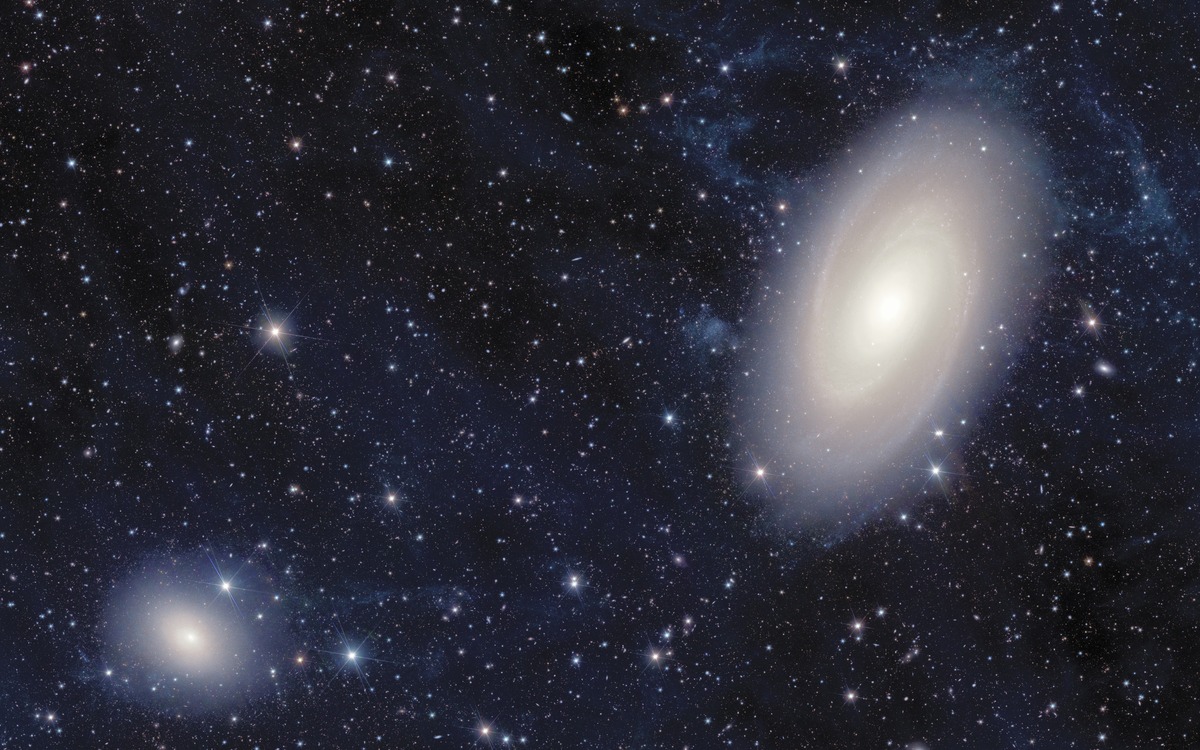
Euclid Just Mapped 900 Million Galaxies
ESA’s Euclid space telescope released its first big batch of survey data: about 1,900 square degrees of sky, more than 900 million galaxies, and 15,000 cosmic lenses. It is only 14% of the job.
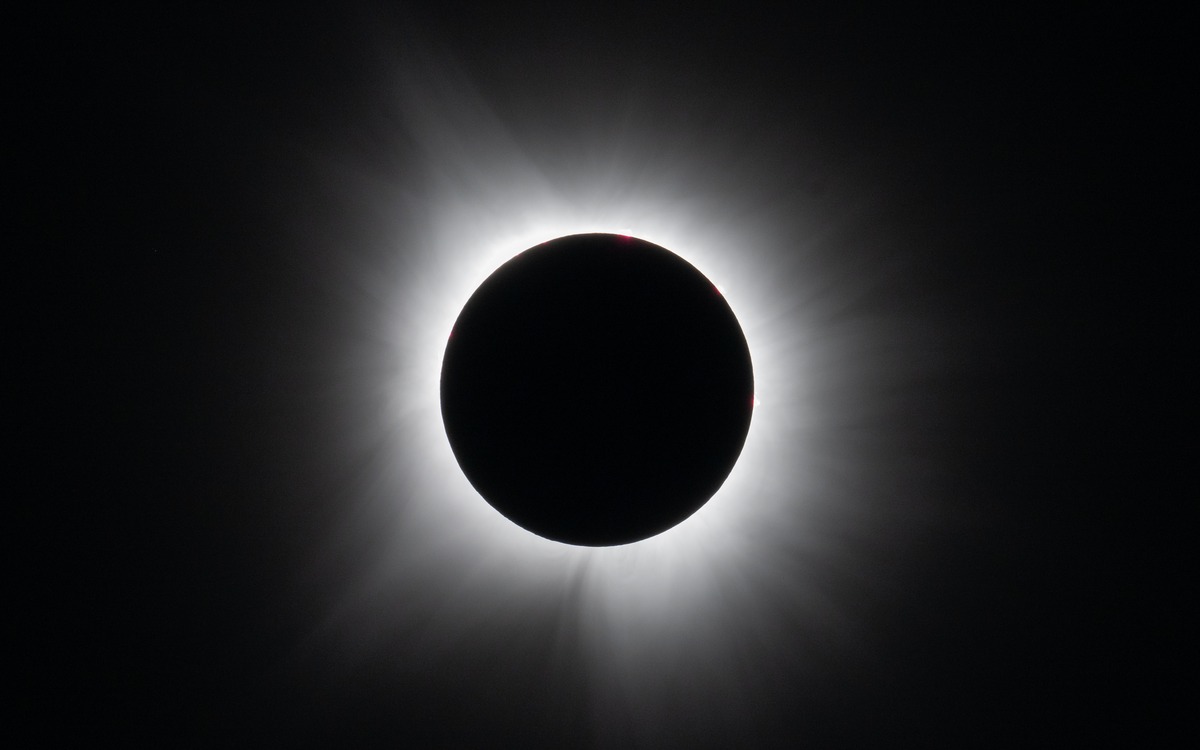
A Planet Vanished While Astronomers Were Watching
For seven years, NASA’s TESS watched a giant planet cross its star. Then the crossings stopped. A hidden neighbor is tilting its orbit, and it may not line up again for 30 to 50 years.
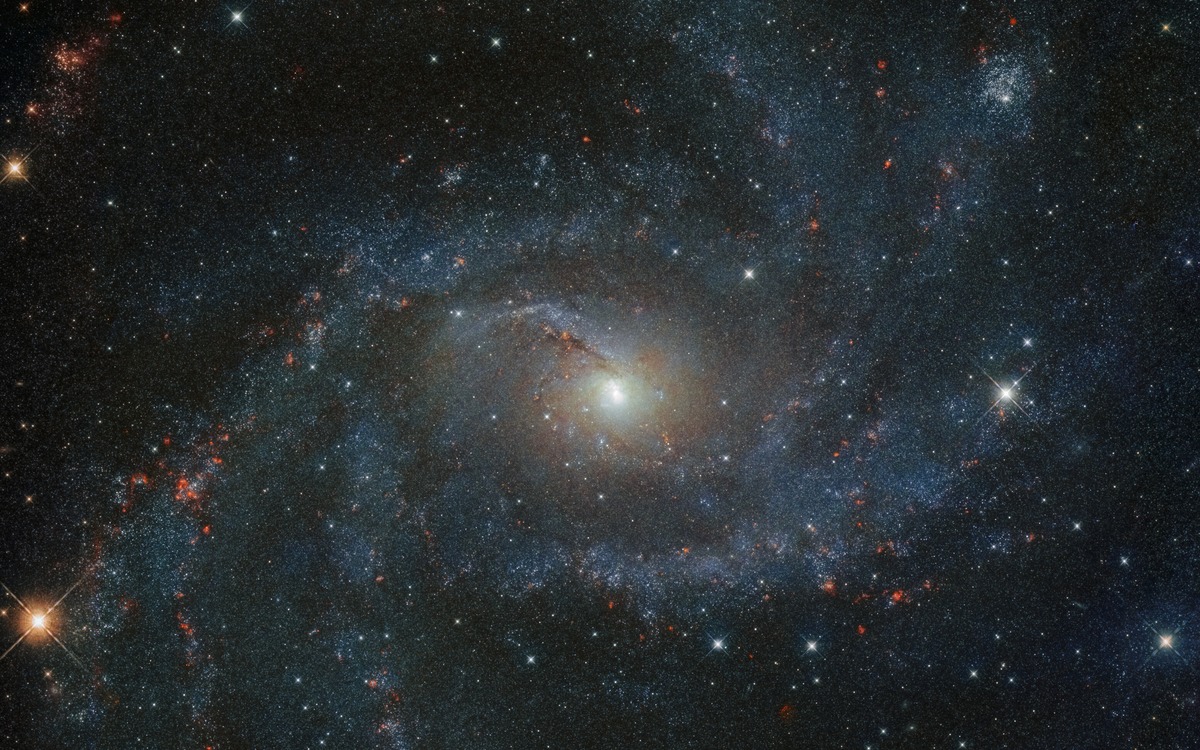
Some Stars Don’t Explode. They Just Vanish.
A new study of 257 black hole collisions suggests many giant stars may die without a supernova, collapsing quietly into black holes and leaving only a dark patch of sky.
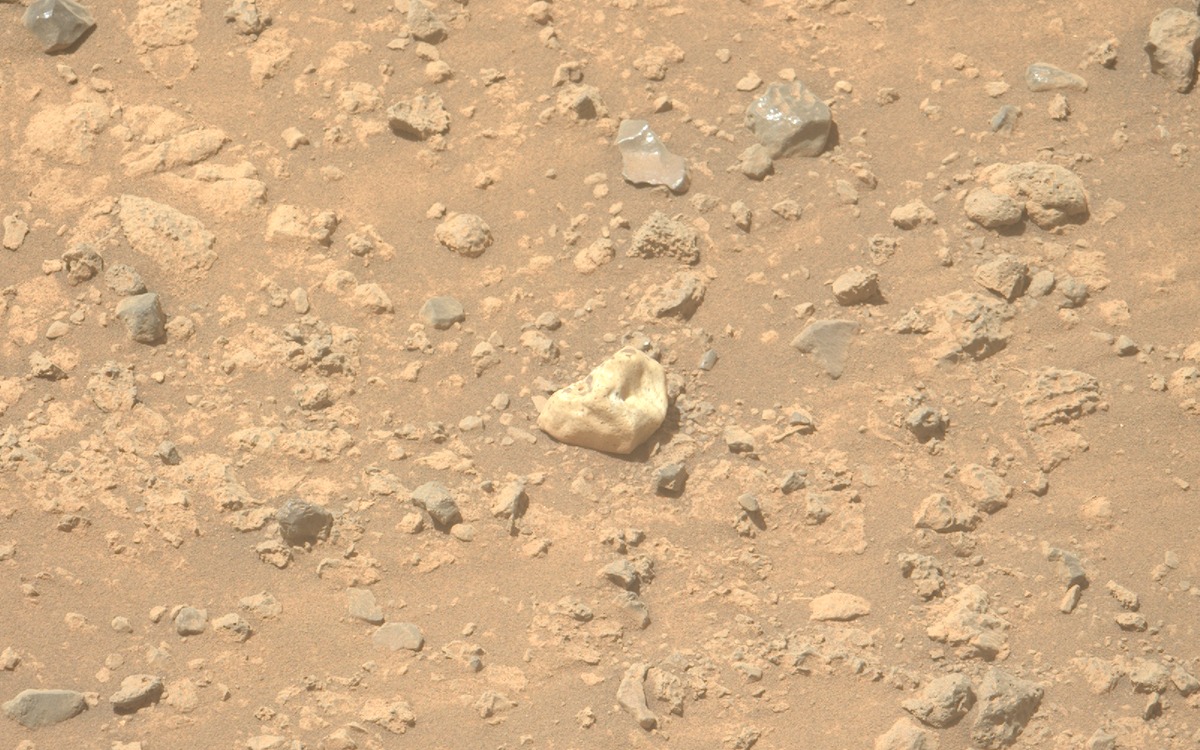
Three Pale Rocks on Mars Glowed Like Rubies
Perseverance’s laser found tiny grains of corundum, the mineral behind rubies and sapphires, on the rim of Jezero Crater. Mars lacks the geology that usually makes it.
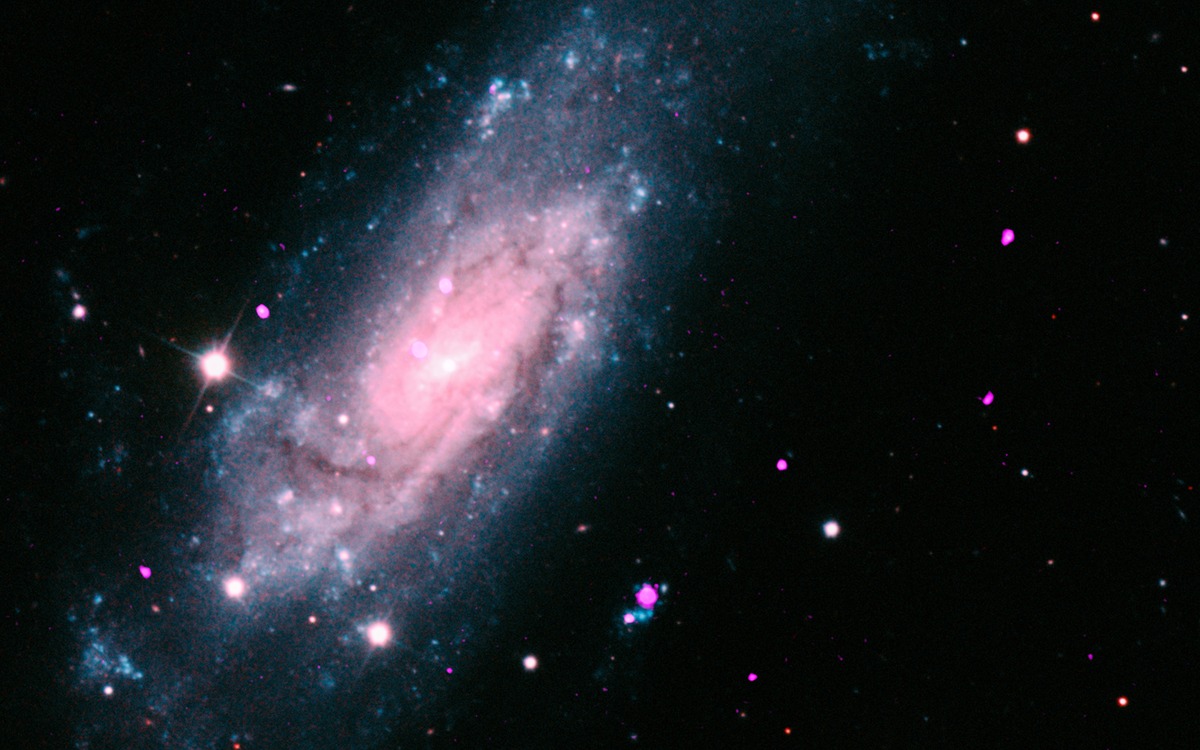
This Star Keeps Faking Its Own Death. Now We Know Why.
Every 113 days, a giant star in another galaxy flares up like a supernova and survives. NASA’s Chandra has found what sets it off: a black hole or neutron star on an oval orbit around it.
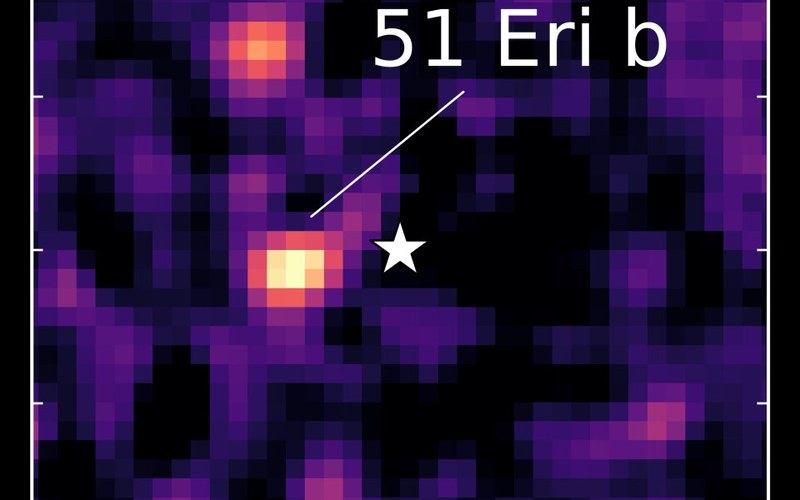
A Giant Planet Was Hiding in Old Webb Images
FLIP recovered giant exoplanet 51 Eridani b in existing JWST images at 4.3 microns — the first detection at that wavelength — and boosted sensitivity by up to 15 times.
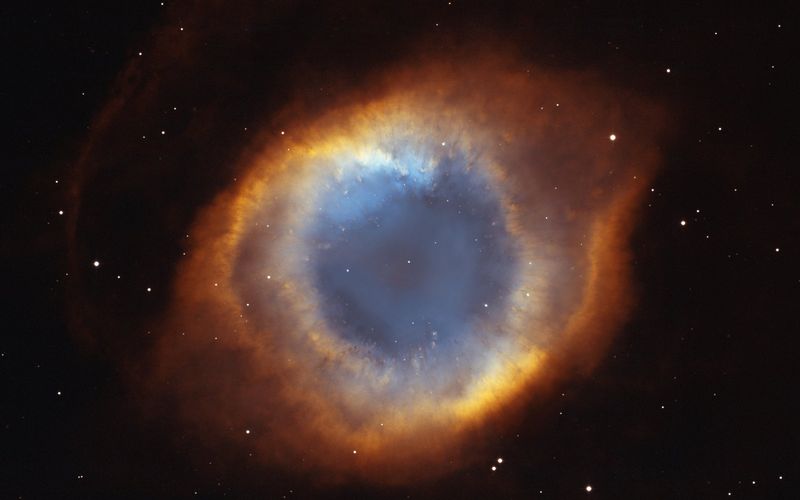
Astronomers find the first known green star
WD J1330+6435 would glow chartreuse green up close: sodium from swallowed rocky debris absorbs its orange light.
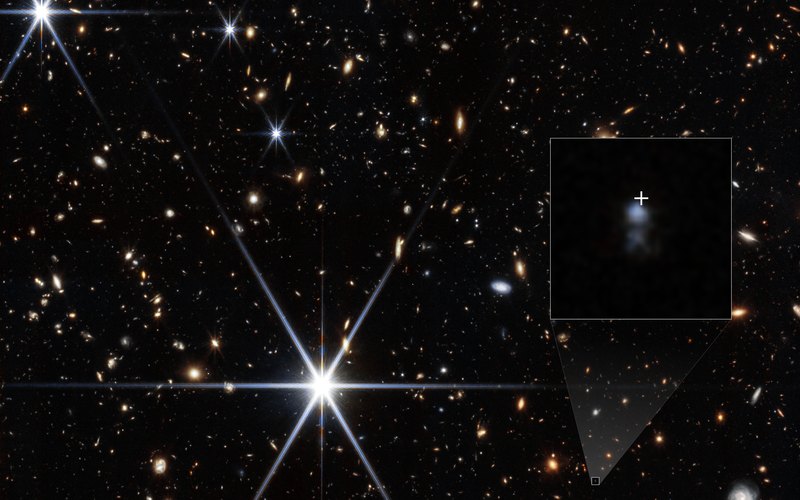
Webb finds the home of the most distant fast radio burst
A radio flash from 3 billion years after the Big Bang came from a tiny, young galaxy. The clue points to magnetars.
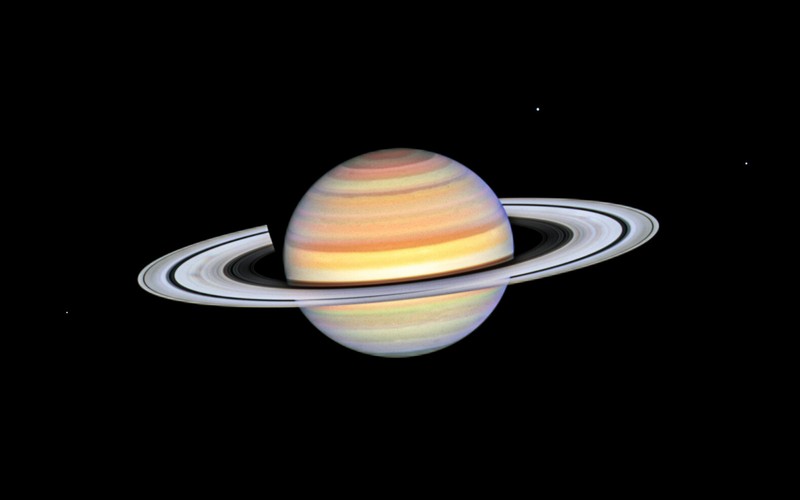
Saturn was at its best in early October
After Oct. 4 opposition: closest and brightest for 2026, up all night, rings opening again.
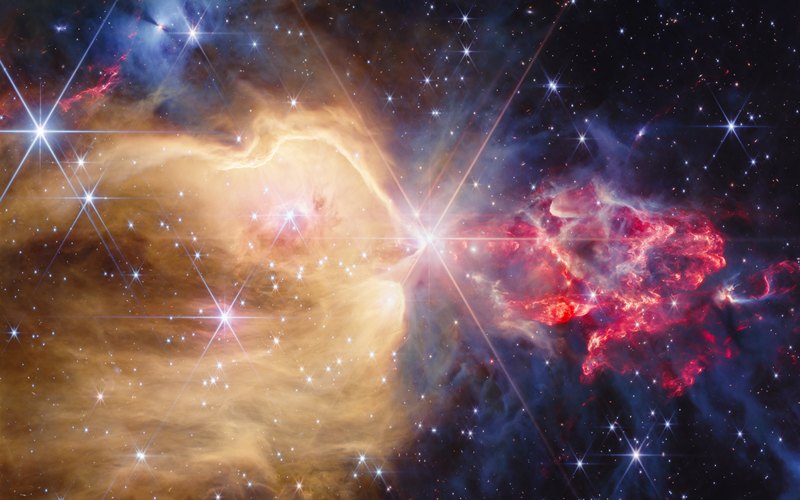
Webb peels open a stellar nursery in Cepheus
Gold hot atomic hydrogen on one side, red protostar shocks on the other — Webb’s new NIRCam portrait of NGC 7129.
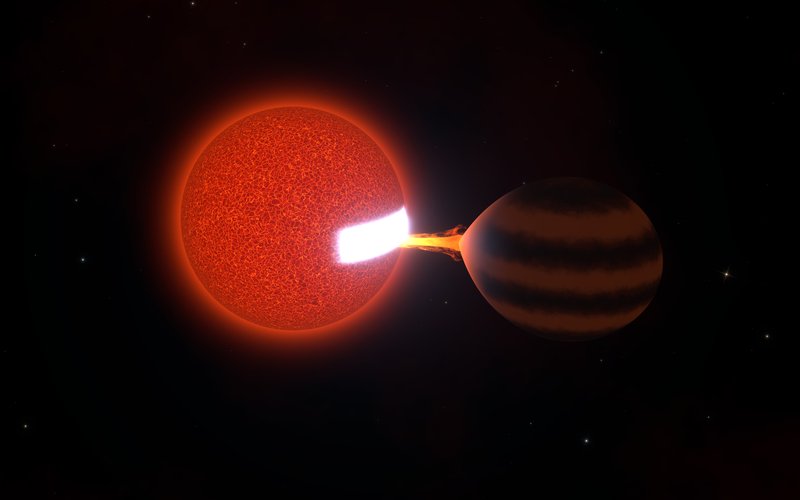
A star is slowly eating a brown dwarf
Every 87 minutes, a strange triangle of light: a red dwarf feeding on a brown dwarf in an orbit that could fit inside the Sun. A first — and it could last billions of years.
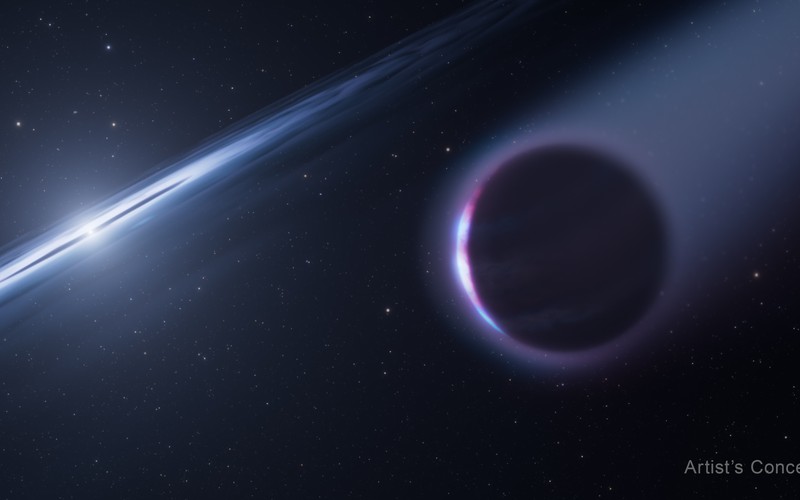
A planet candidate risen from a dead star’s ashes
Hubble’s cold case on white dwarf HS 0209+0832 points to a suspected second-generation gas giant. Strong evidence — still a candidate.
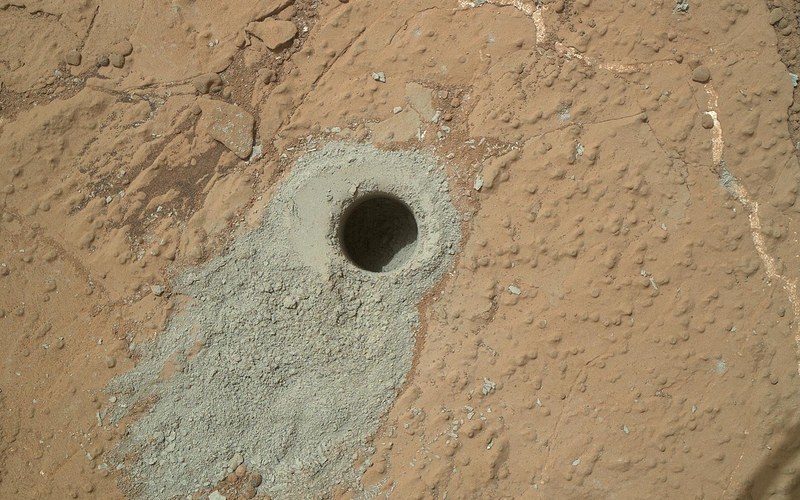
Curiosity found Mars’s longest organic molecules yet
Decane, undecane, and dodecane in Cumberland mudstone may be fatty-acid fragments. Origin still unknown — not a life detection.
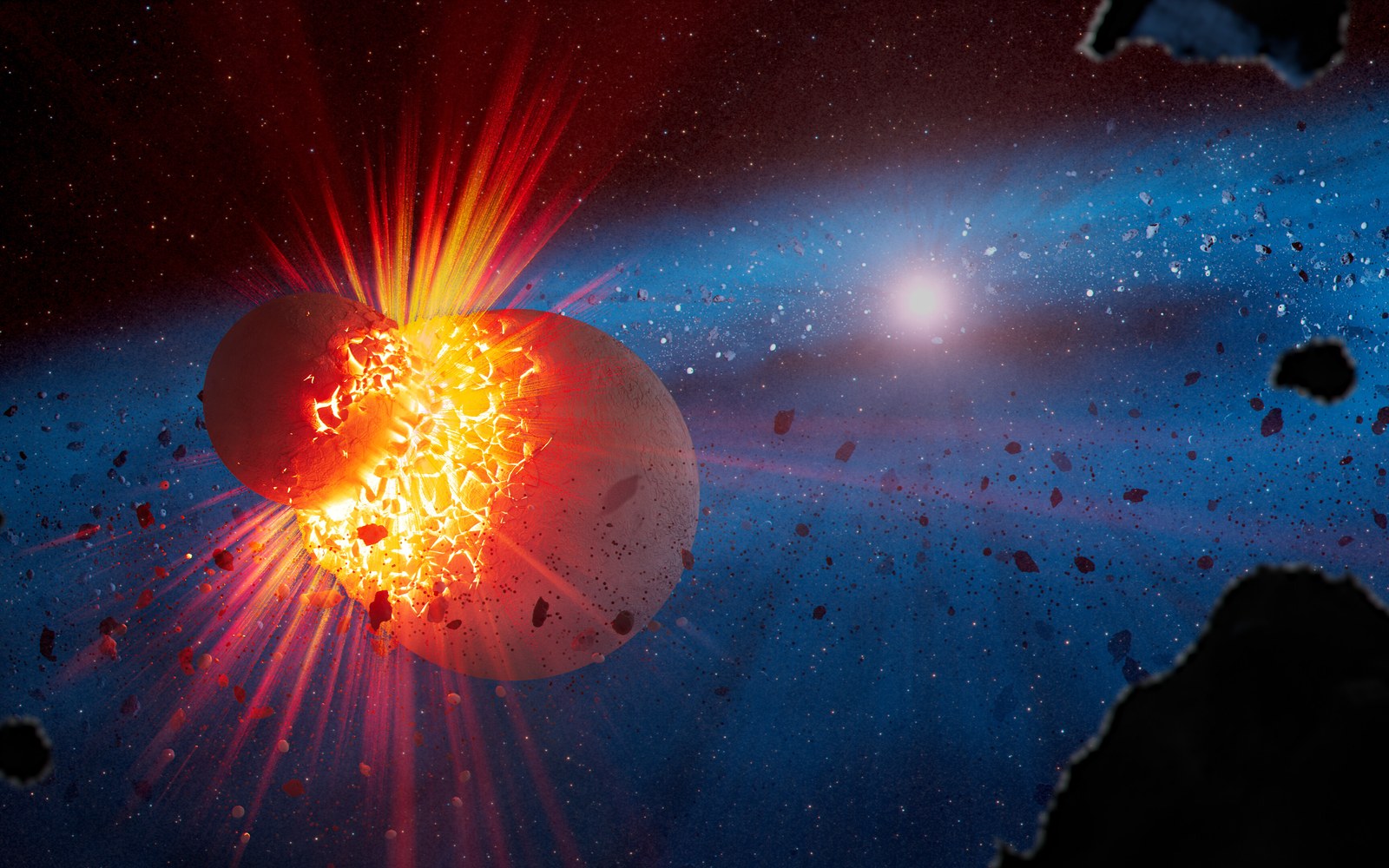
Webb finds dust from planet-shattering collisions
A rare class of warm dusty disks around young stars carries silica clues to Mars-sized smashups — the kind that may have made our Moon — and quieter Moon-sized grazes.
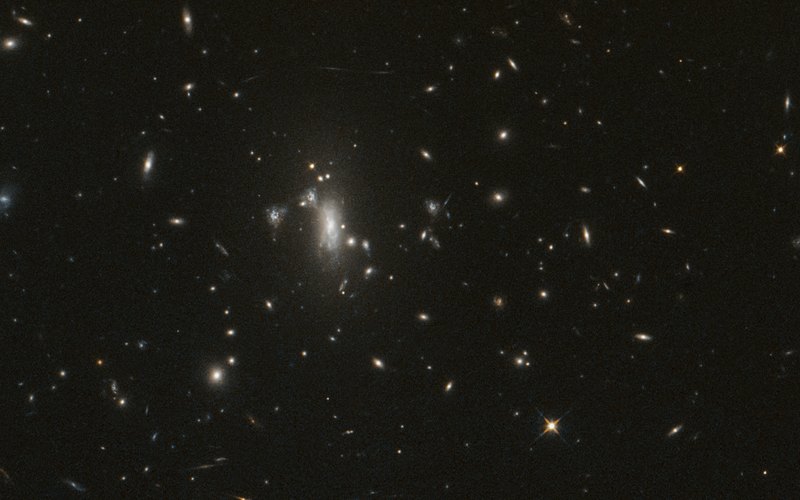
One star died. Earth will see it more than once.
On orbit 200,000, Hubble watched a galaxy cluster that can show the same star explosion more than once. Supernova Athena should reappear by early March 2027.
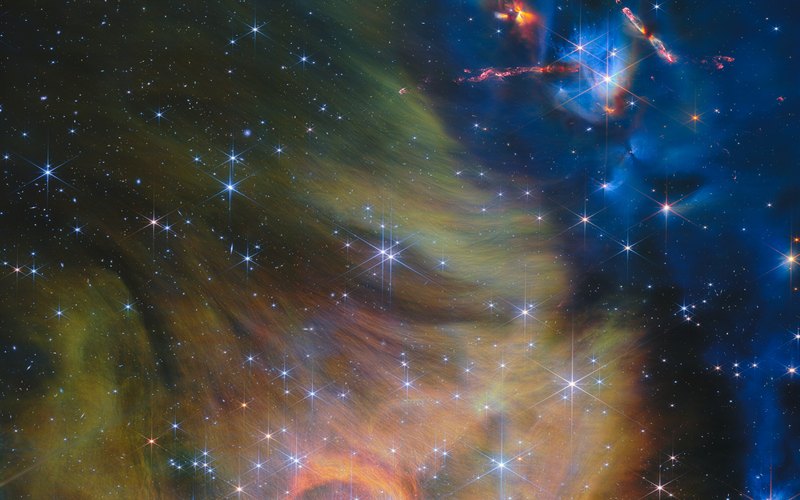
Webb finds brown dwarfs barely heavier than Jupiter
A huge NIRCam panorama of IC 348, 1,000 light-years away, frames brown dwarfs with mass estimates near two Jupiters — and jets from newborn stars.
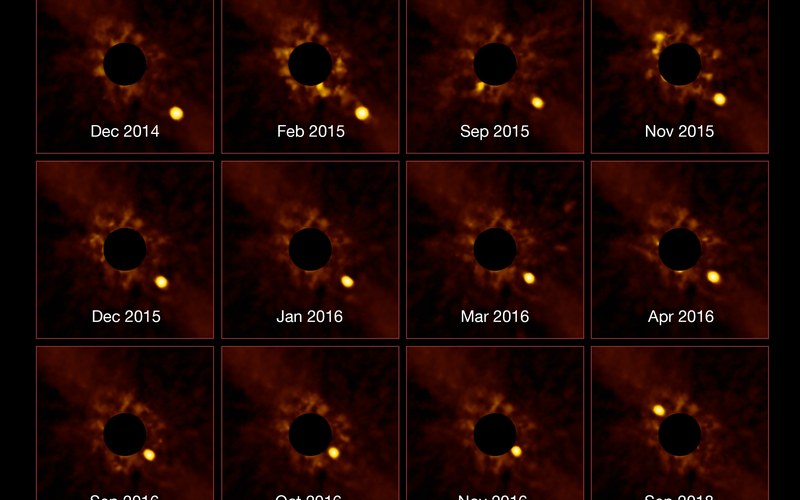
First direct radio signal from an exoplanet
MeerKAT localized auroral radio bursts to Beta Pictoris b — the first unambiguous radio detection from an exoplanet rather than its host star. Preprint awaiting peer review.
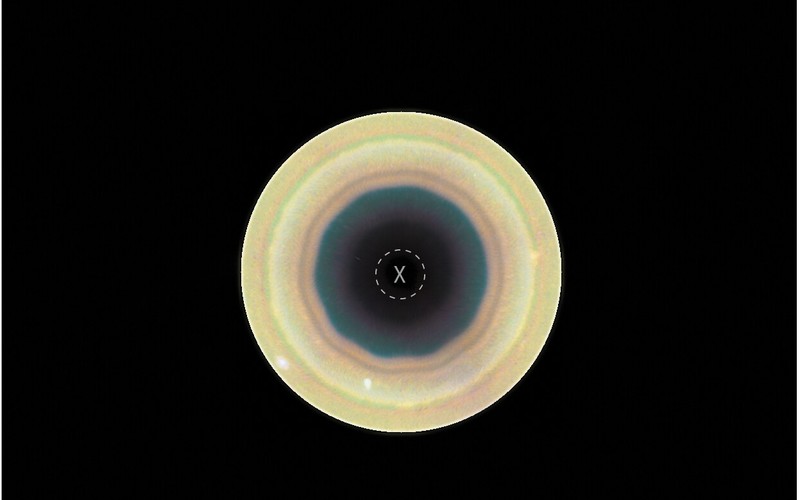
Hubble tracks a new 10-sided storm on Saturn
Hubble’s OPAL images reveal a strengthening decagon wave near Saturn’s south pole — the first large regular-sided jet pattern seen in the southern hemisphere.
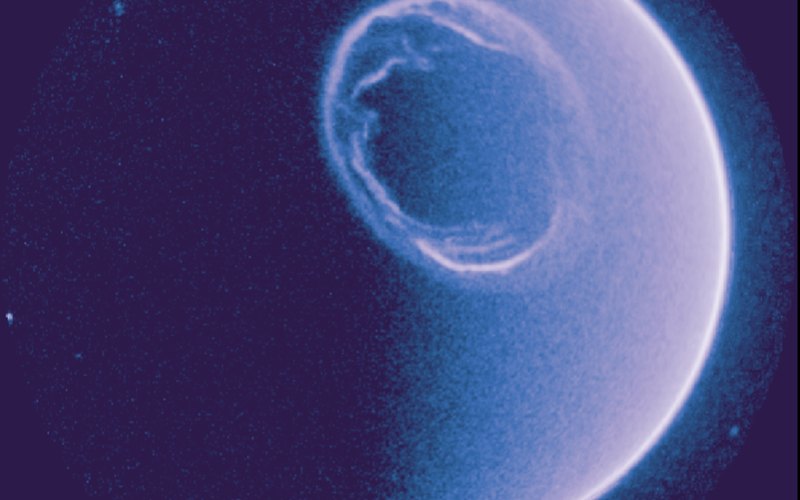
ESA’s Smile begins science operations
Smile is approved for science ops. UVI captured the full northern aurora ring in UV — the first since 2008.
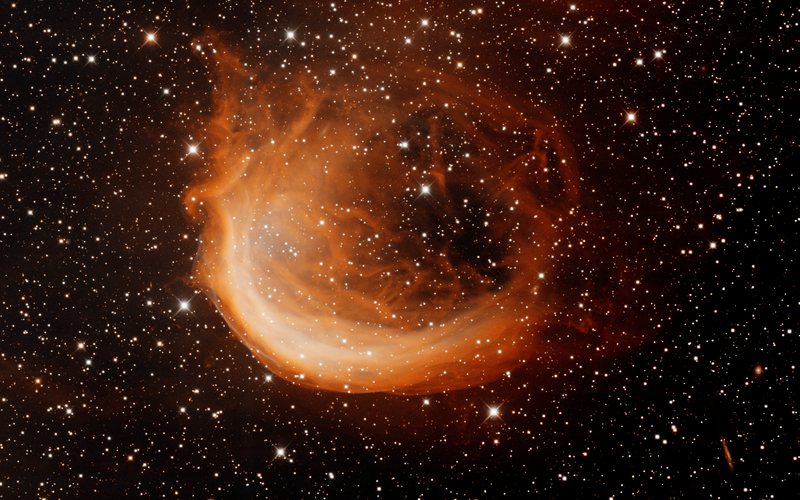
The strange star that looks like a shrimp
In Cassiopeia, a white-dwarf remnant races through gas and piles it into a glowing bow shock — the Shrimp Nebula.
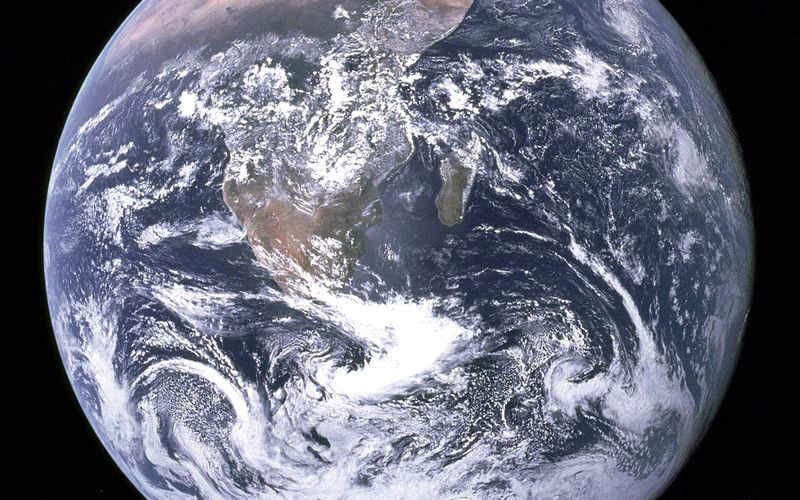
Earth from space: how small we really are
One pale sphere. No borders. A thin blue shell holding every person you have ever known.
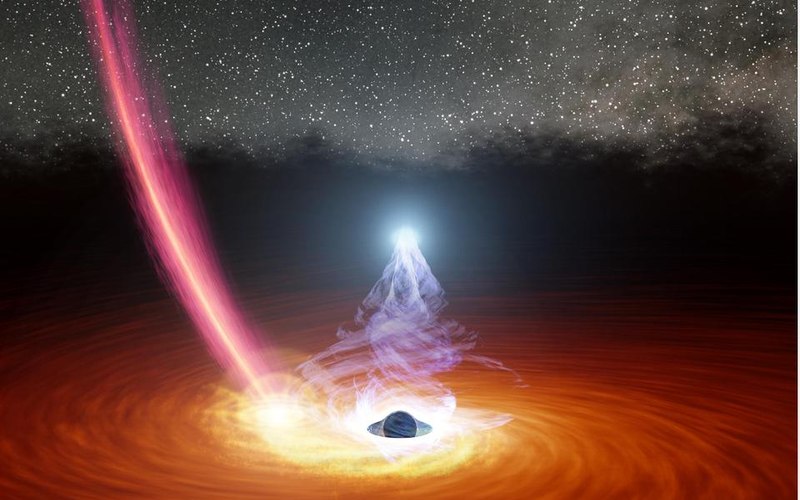
What a black hole means for everyday life
They sound like science fiction. Their gravity shaped the galaxies we call home — including ours.