 No Ground
Science
Clear explanations of how the universe works — and why it matters here.
Science is where No Ground slows down and explains how things work. These are the stories built around a question rather than a news event: what would happen if you landed on Venus, why the Moon is drifting away, how a solar storm reaches the ground, or what a black hole would mean for everyday life.
Each explainer starts from measurements published by space agencies, observatories and peer-reviewed papers, and turns them into plain language and original diagrams. We do not invent numbers or quotes, and when a result is still uncertain, we say so. Try what happens if you land on Venus, how to read a space weather alert, or why the Moon is slowly leaving us.
Science stories overlap with Astronomy and Discoveries, but the focus here is understanding, not breaking news. If you want the newest results first, start with Discoveries; if you want to know why they matter, start here.
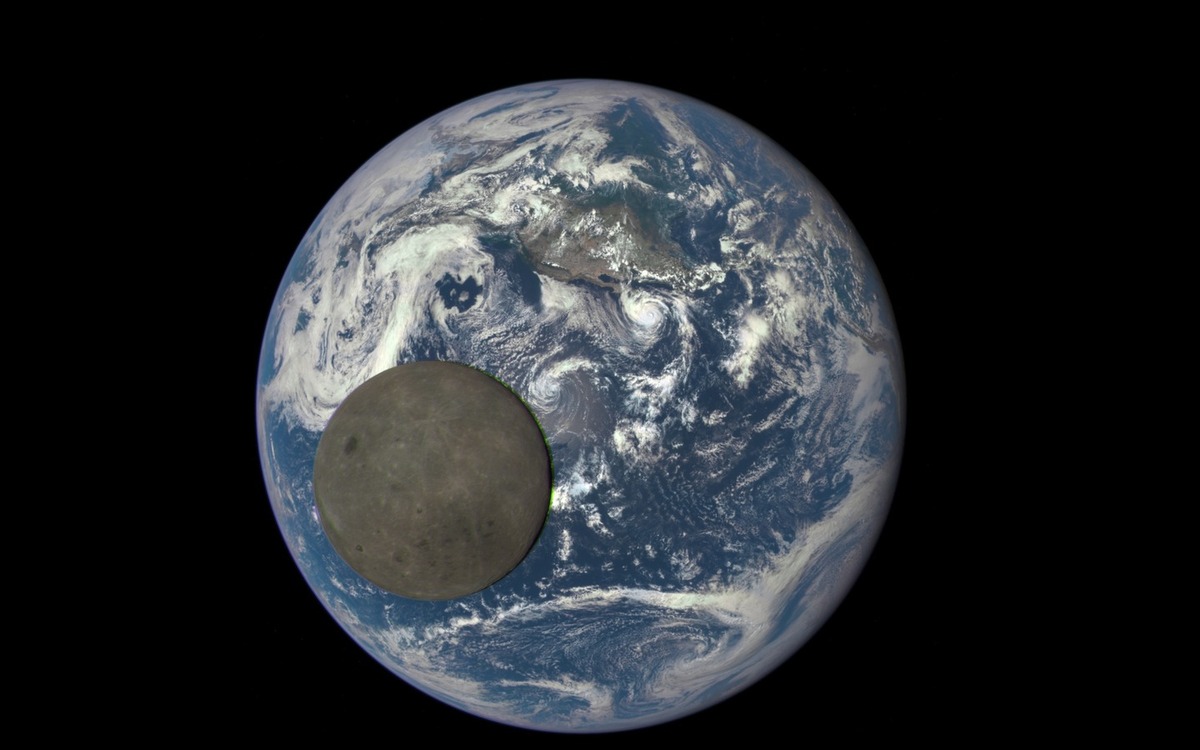
What Are Lagrange Points? The 5 Places Where Spacecraft Park in Space
Lagrange points are spots where the pull of the Sun and Earth balance, so a spacecraft can ride along with Earth. Here is what all five are and why Webb lives at L2.
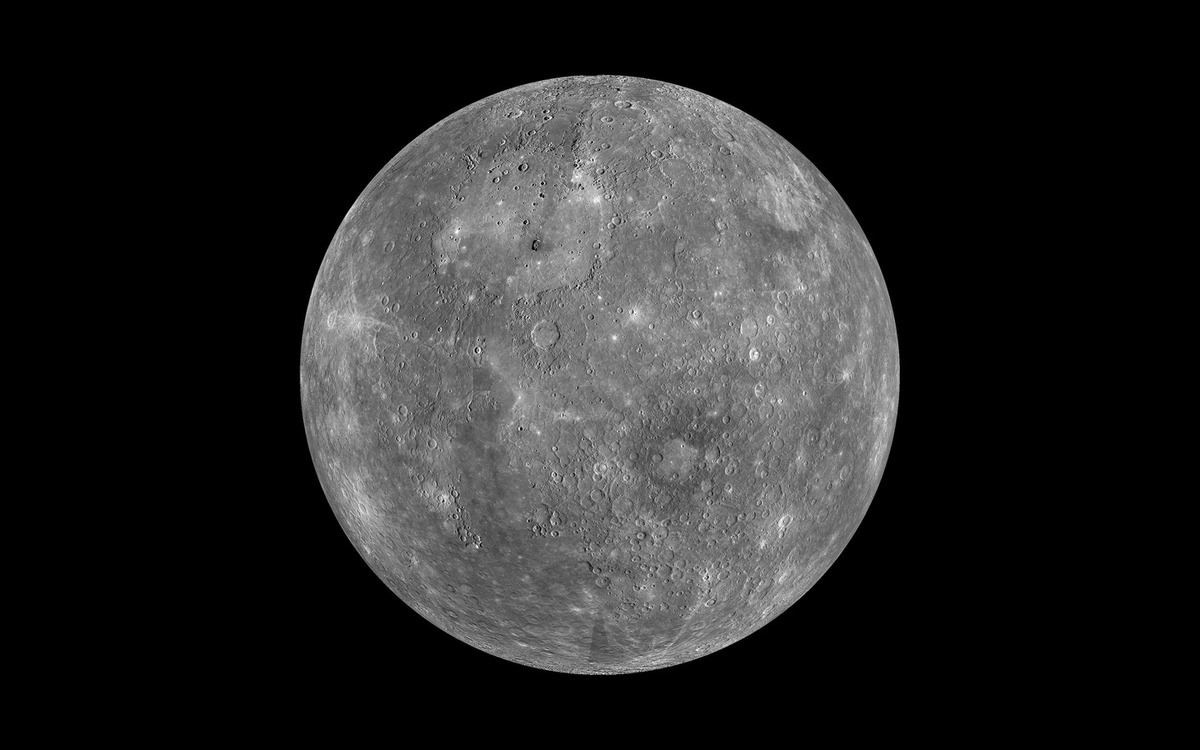
BepiColombo Is Safe in Mercury Orbit After a Software Glitch
A braking burn at Mercury ended early and put the spacecraft into safe mode. ESA says the planet still captured it, and the December plan still holds.
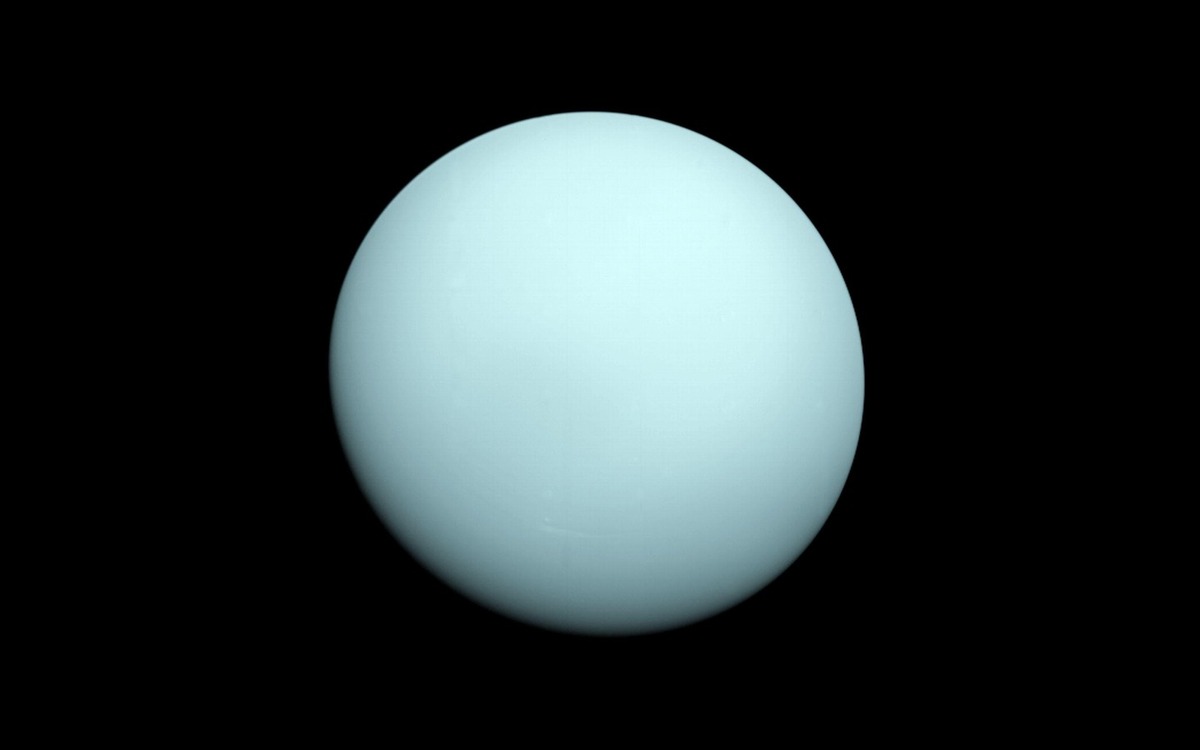
Only One Spacecraft Has Ever Visited Uranus
Voyager 2 flew past in 1986 and gathered much of its key data in just six hours. A 2024 study says it may have caught the planet during a rare solar-wind squeeze.
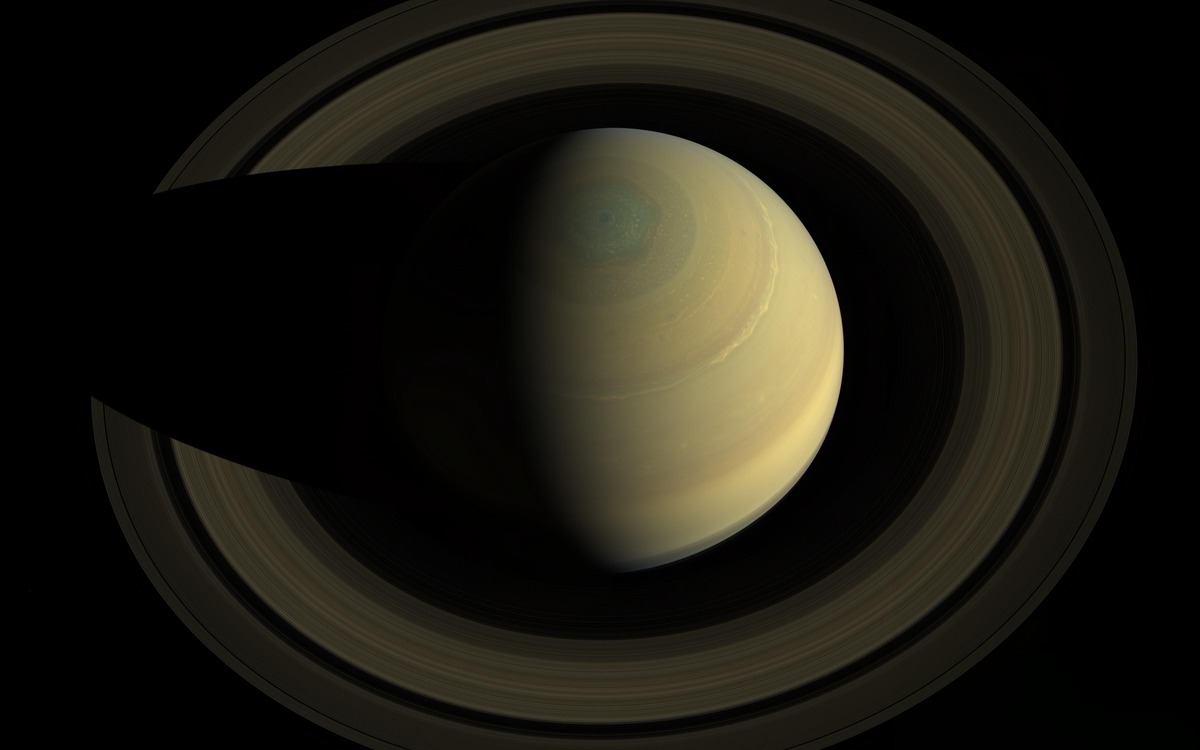
Is Saturn Losing Its Rings? How “Ring Rain” Works
Ice from Saturn’s rings is falling into the planet fast enough to fill an Olympic pool in about half an hour. Here is how ring rain works, how long the rings may last and why their age is still debated.
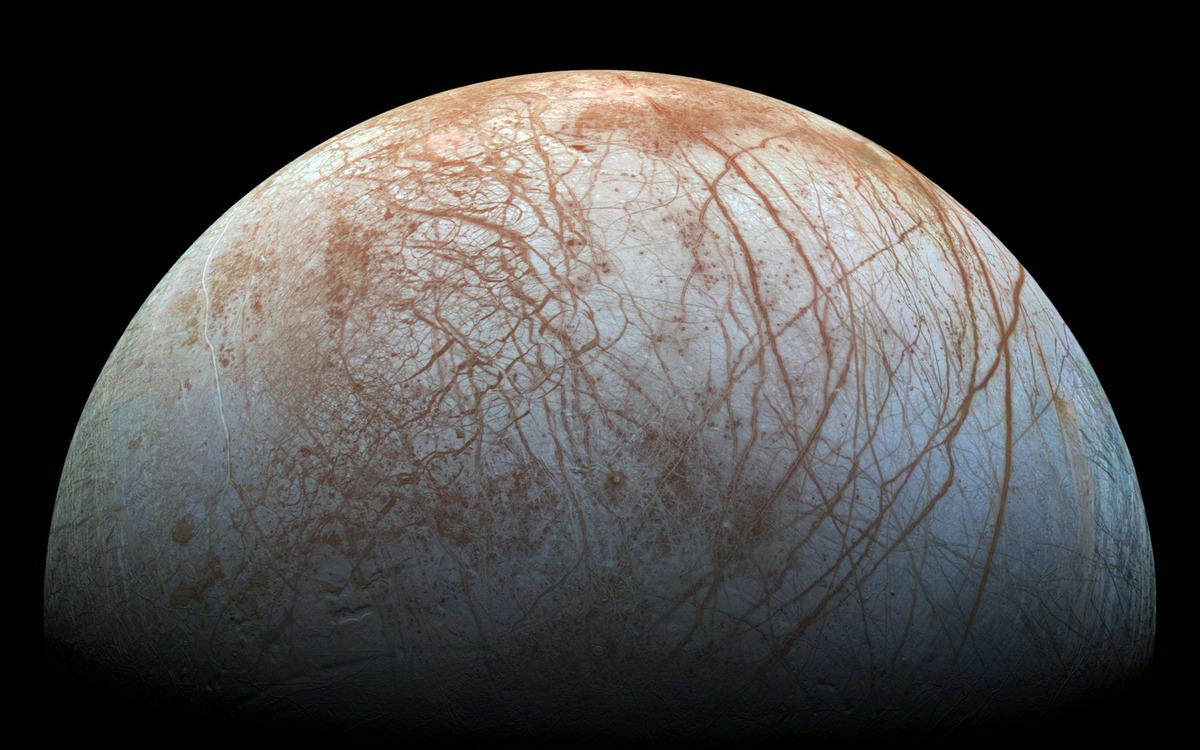
Europa’s Giant Sodium Cloud Points to Its Hidden Salty Ocean
More than 20 years of Keck Observatory data show the salt-atom cloud around Jupiter’s moon Europa stays steady no matter what volcanic Io does. Here is why scientists think it comes from Europa’s own ocean.
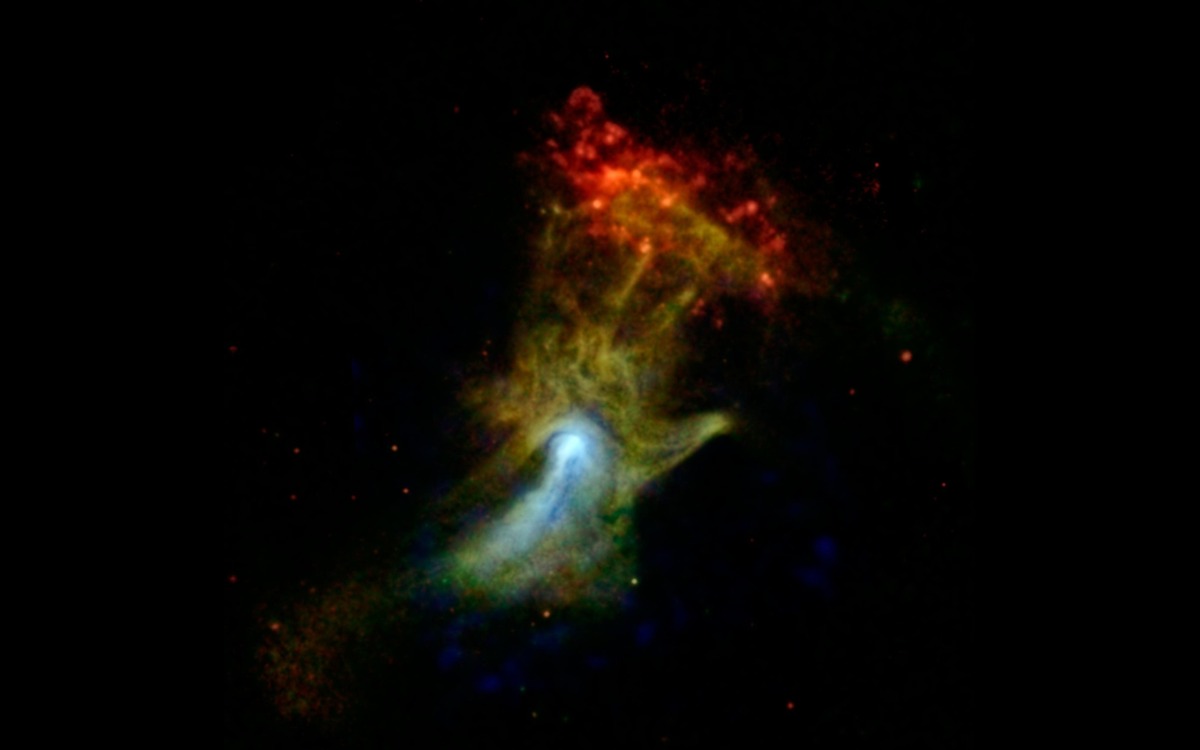
Are Space Photos Real? How Telescope Images Get Their Colors
NASA’s images are real data, but many show light your eyes can’t see. Here is how the colors are chosen, why nebulas look gray through a telescope, and why people see faces in space.
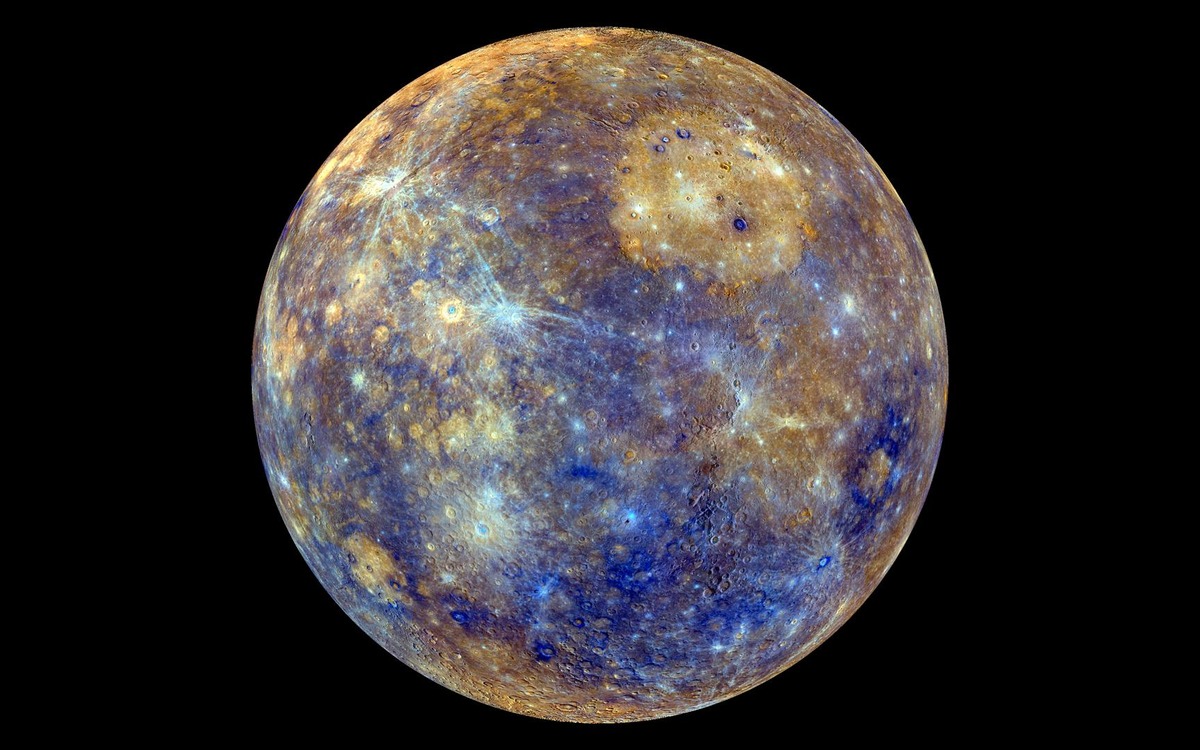
BepiColombo Arrives in Orbit Around Mercury After an 8-Year Journey
The European-Japanese mission is only the third ever to visit Mercury, and the first to bring two orbiters. Here is why the trip took 6.2 billion miles and what the spacecraft will study.
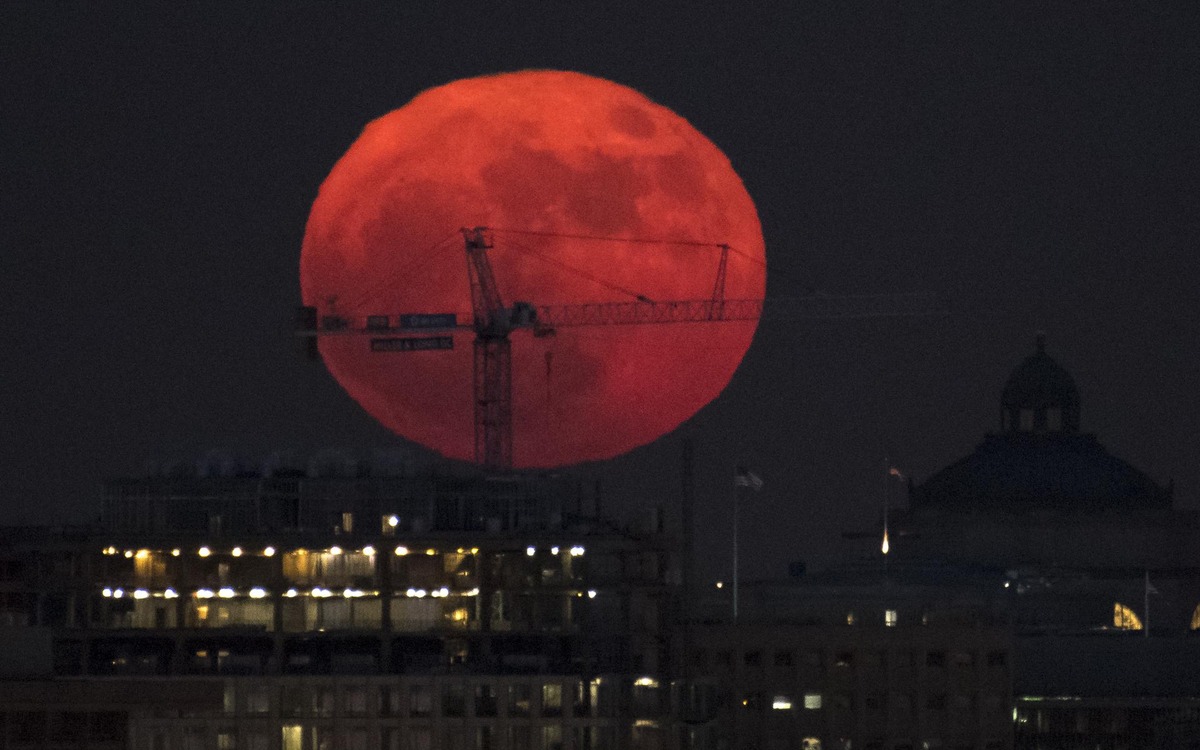
Why Does the Moon Look Bigger Near the Horizon?
The rising Moon is not bigger, and it is not closer. It is actually a little farther away. The giant Moon is a trick of your brain, and here is how to prove it with your finger.
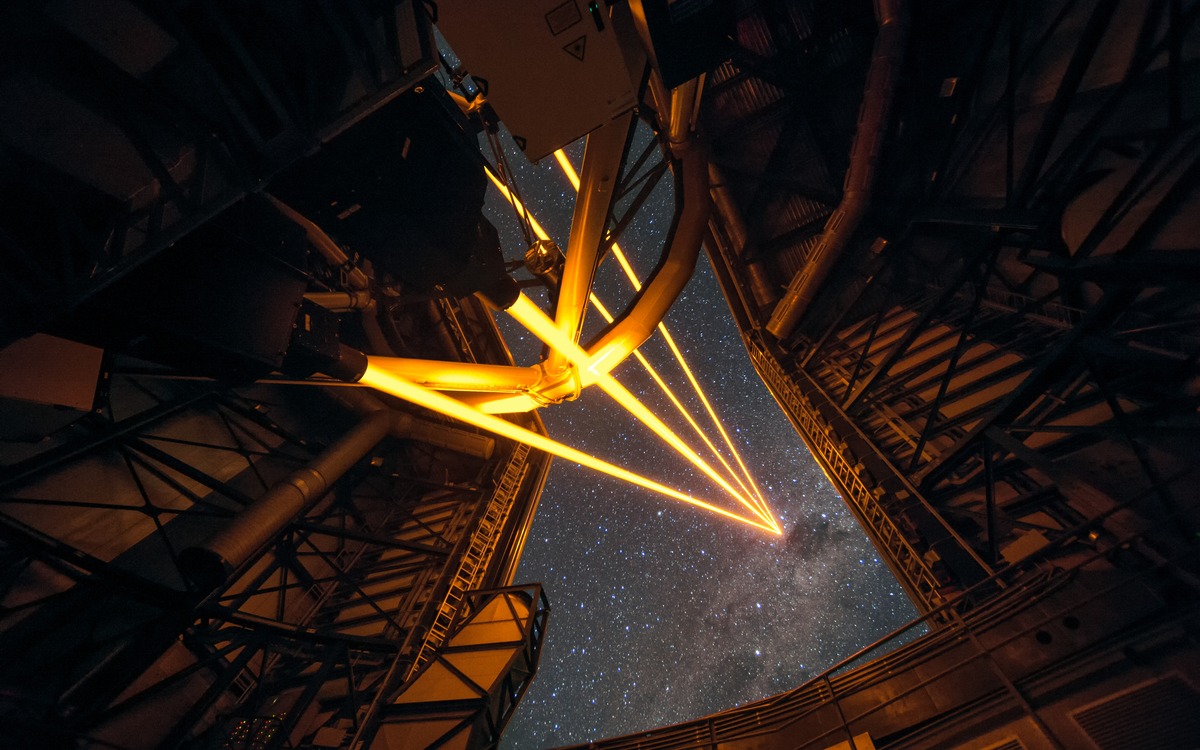
Why Do Stars Twinkle? (And Why Planets Usually Don’t)
Stars shine with a steady light. The twinkle is added in the last few miles, by our own restless air. Here is how it works, why planets look steady, and how astronomers switch the twinkle off.
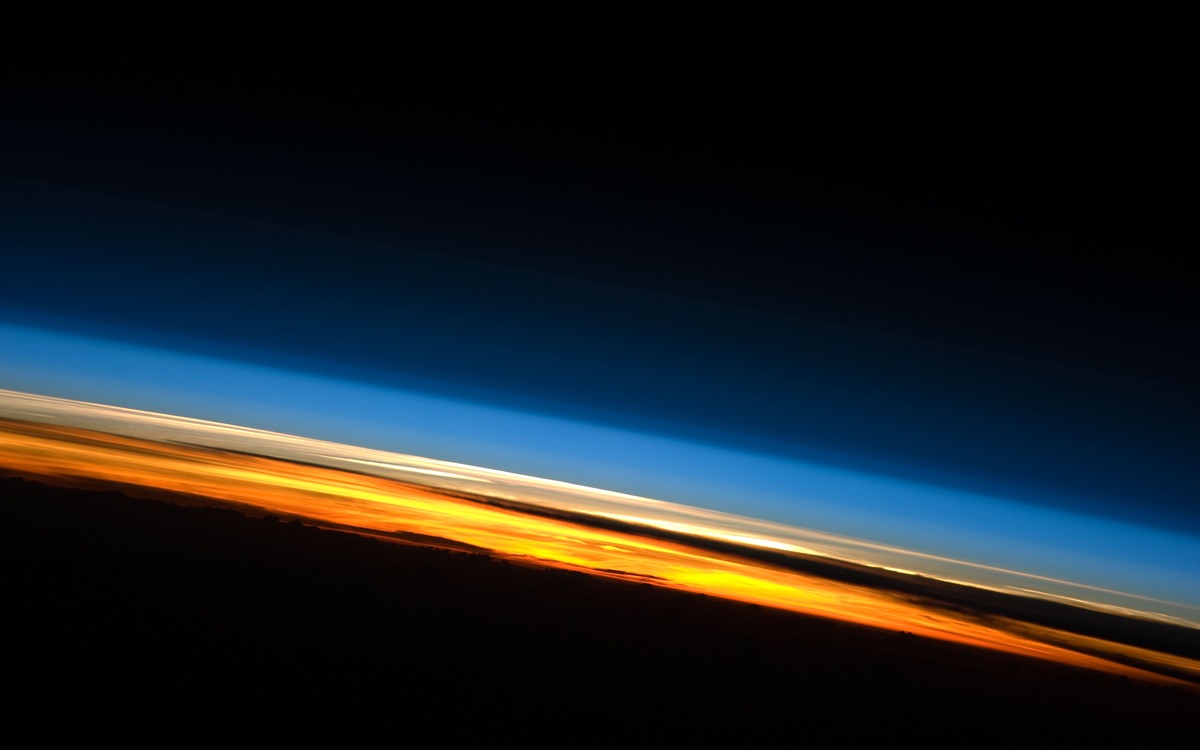
Why Is the Sky Blue? (And Why Not Violet?)
Air scatters blue light about six times more than red. That explains the blue sky, but not why it isn’t violet, why sunsets glow orange or why Mars has blue sunsets. Here is the full answer.
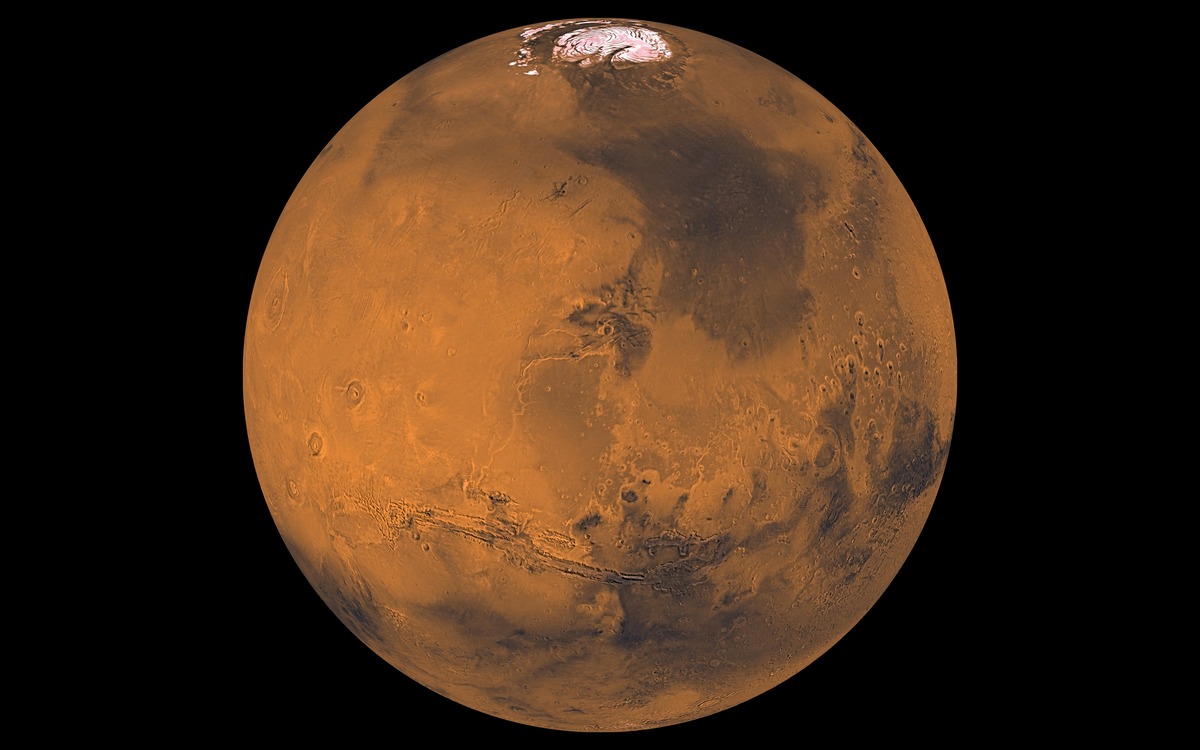
How Long Does It Take to Get to Mars?
About seven months for most missions. But the road is not a straight line, it is about 293 million miles long, and it only opens about once every 26 months. Here’s why.
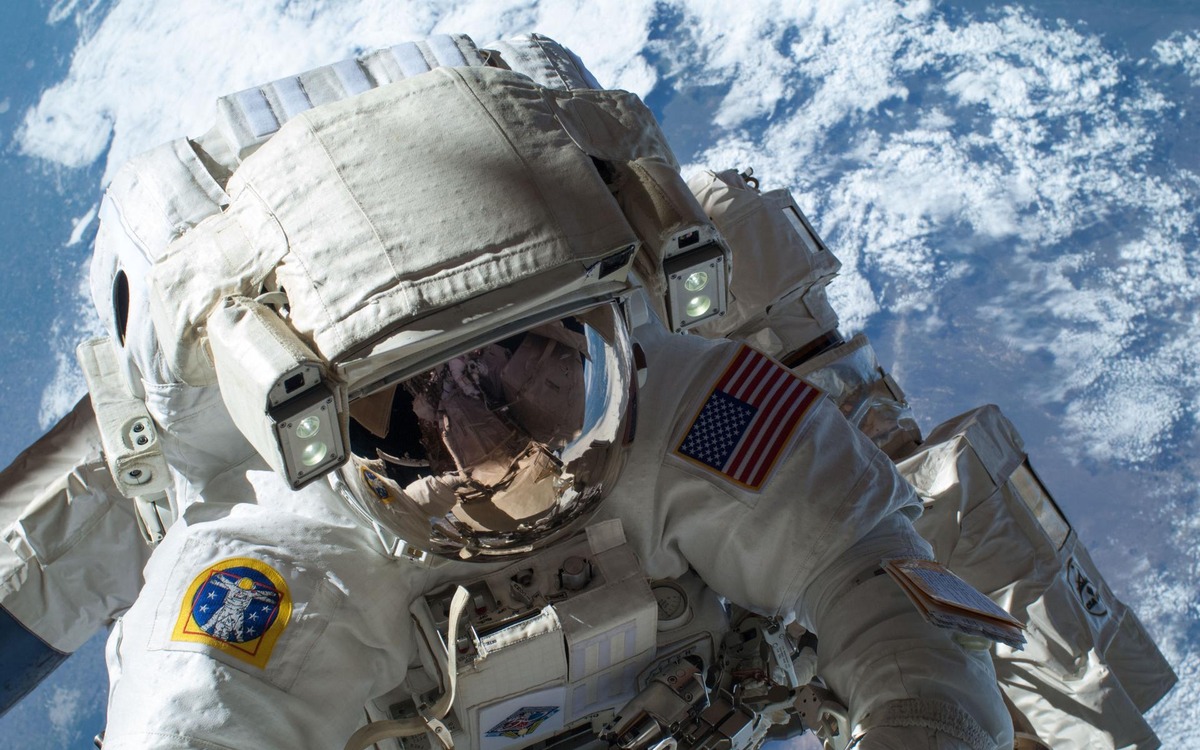
How Cold Is Space? It Depends on Where You Stand
Deep space is about −455°F, just above absolute zero. But in sunlight near Earth, an astronaut can face 250°F on one side and −250°F on the other. Here’s why.
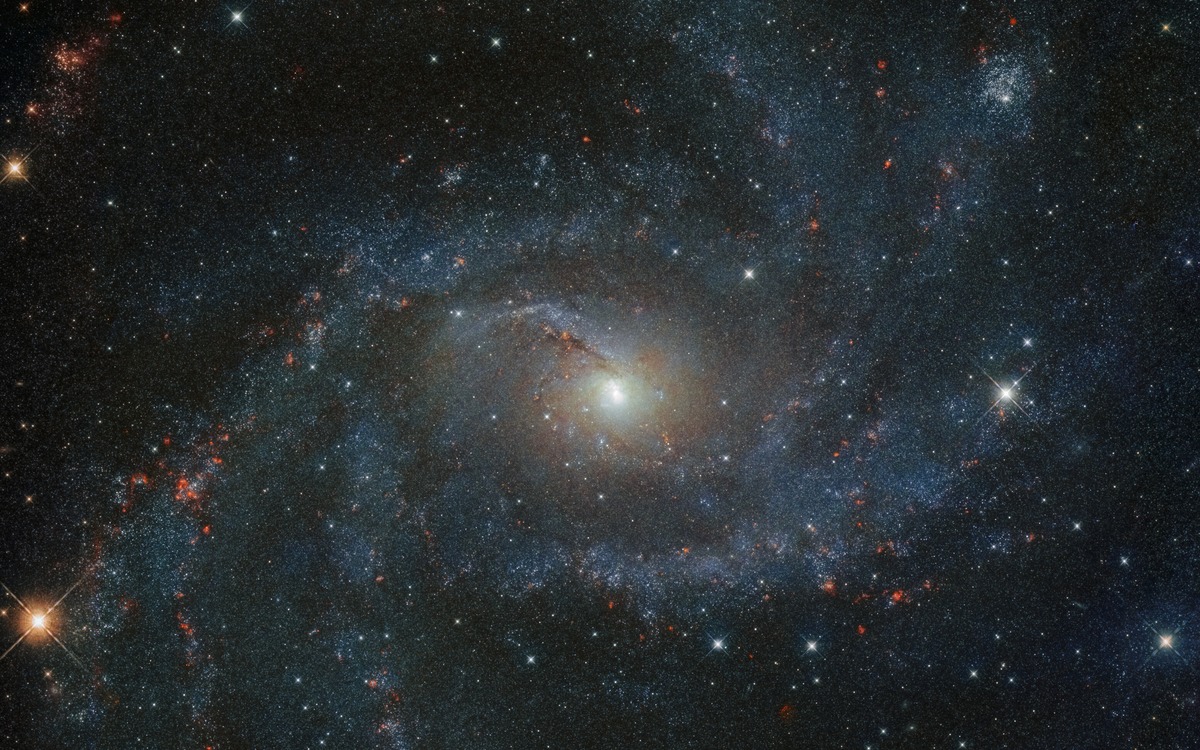
Some Stars Don’t Explode. They Just Vanish.
A new study of 257 black hole collisions suggests many giant stars may die without a supernova, collapsing quietly into black holes and leaving only a dark patch of sky.
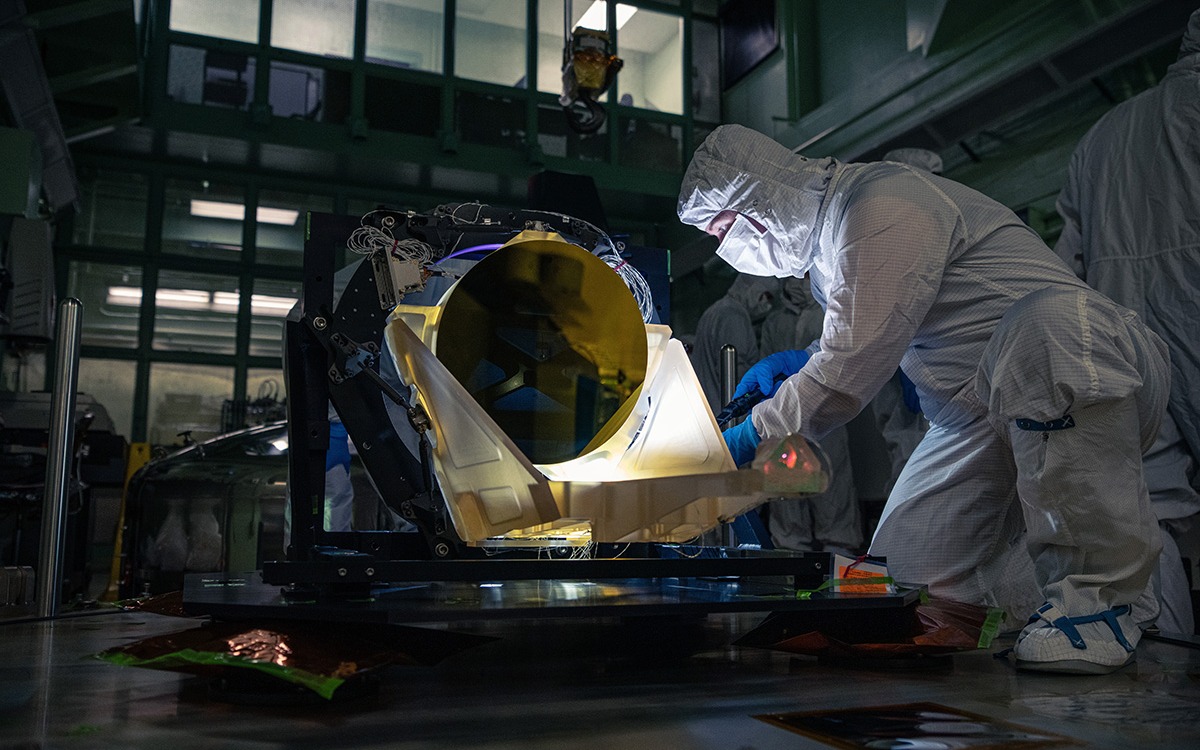
Planets Around Dead Stars Could Show Up in Ripples of Space-Time
Two NASA-led studies show how the future LISA observatory could find planets orbiting pairs of white dwarfs through gravitational waves, and how Webb could confirm some of them.
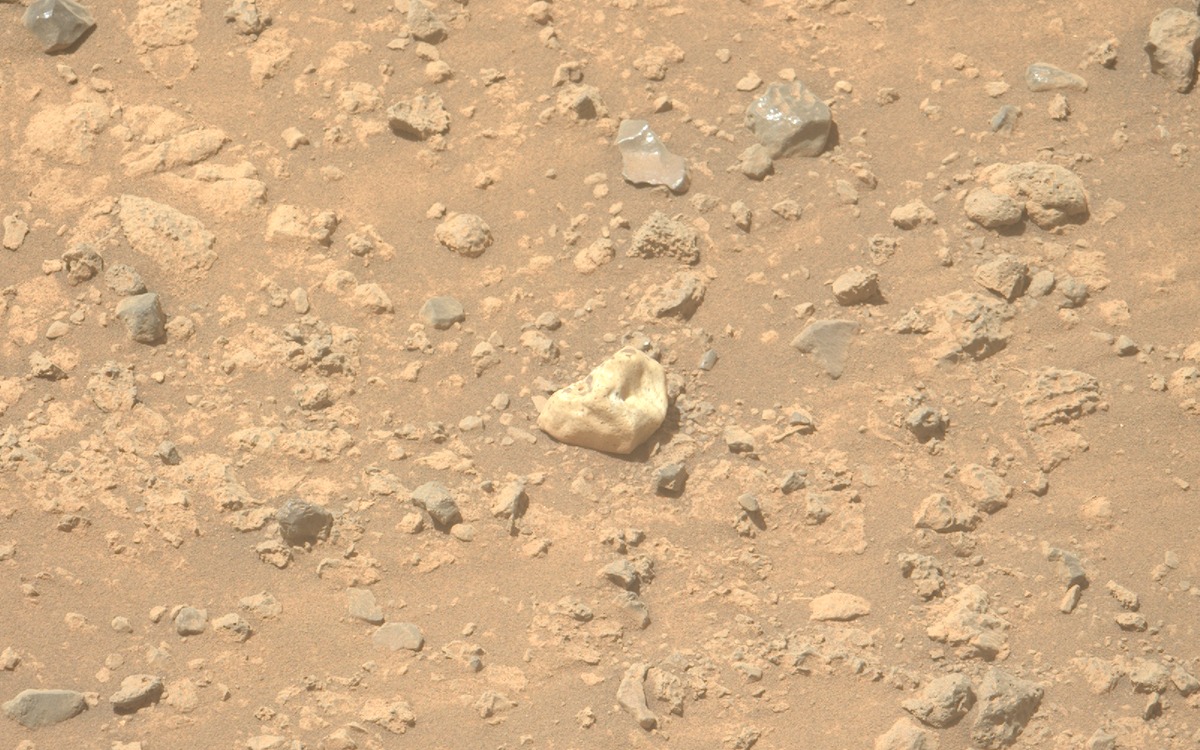
Three Pale Rocks on Mars Glowed Like Rubies
Perseverance’s laser found tiny grains of corundum, the mineral behind rubies and sapphires, on the rim of Jezero Crater. Mars lacks the geology that usually makes it.
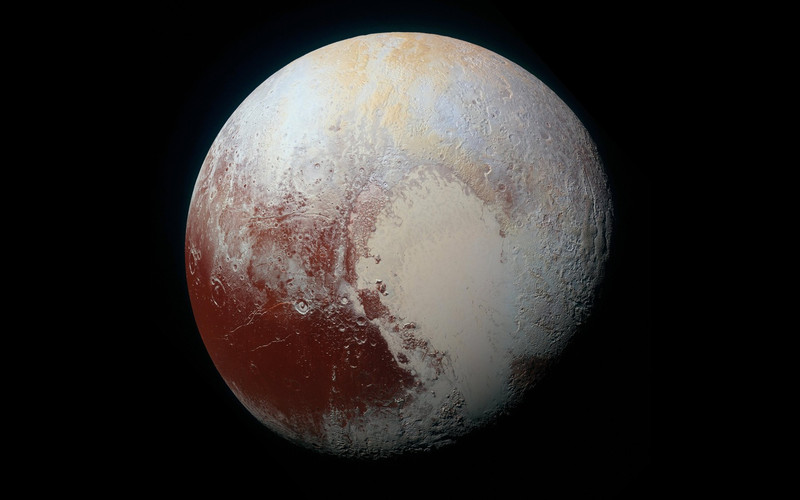
Pluto Hasn’t Completed One Orbit Since Its Discovery in 1930
A year on Pluto lasts about 248 Earth years. Its first full trip around the Sun since discovery will finish around 2178.
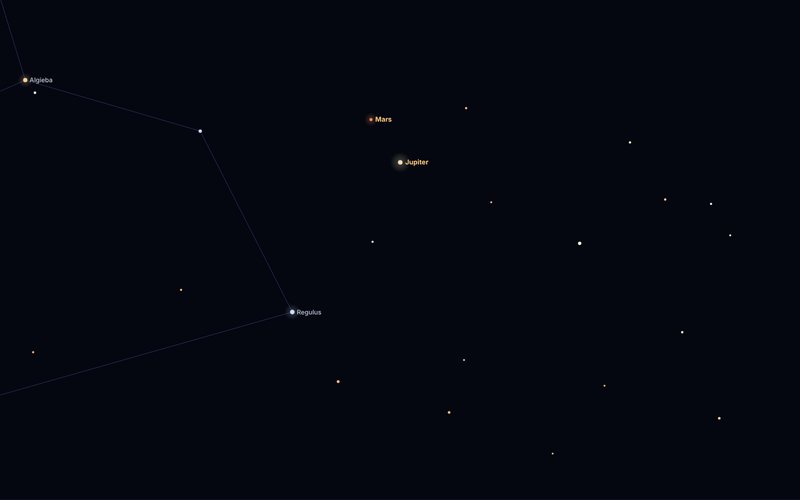
Mars Meets Jupiter, the Leonids Arrive, Then a Supermoon: Your Next Three Weeks of Sky
Northern Taurids Nov. 12, Mars and Jupiter side by side Nov. 15 and 16, the Leonids Nov. 17 and 18, and a supermoon on Nov. 24. Here is where to look.
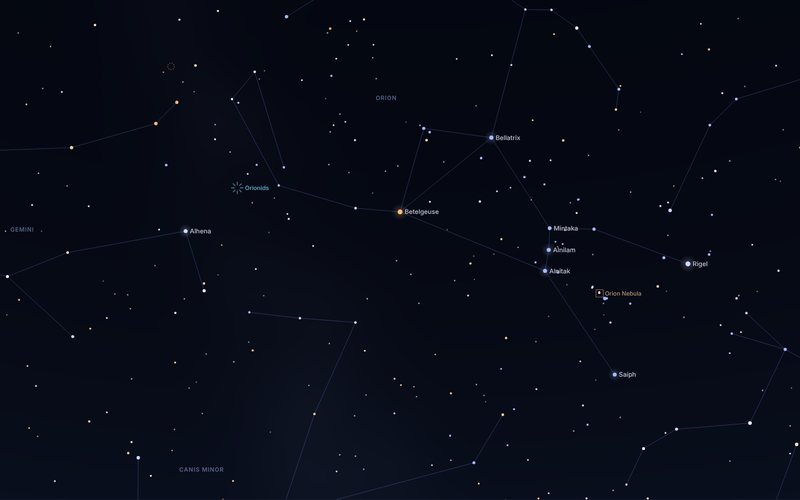
A Hidden Star May Be Plowing Through Betelgeuse’s Atmosphere
Radio telescopes found new signs that a small companion star, Siwarha, circles Betelgeuse and stirs its atmosphere. You can see Betelgeuse in the evening sky now.
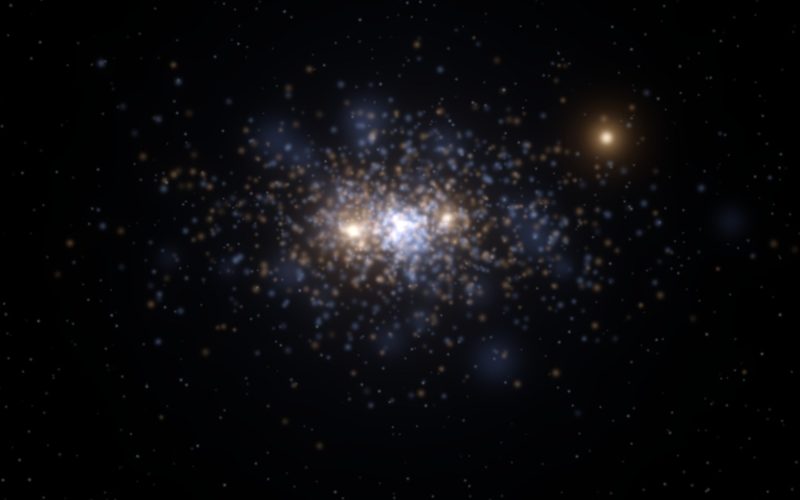
Webb Found Three Giant Black Holes Packed Into One Baby Galaxy
Webb found three actively feeding black holes in one galaxy seen 1.2 billion years after the Big Bang. Two are 620 light-years apart and may merge.
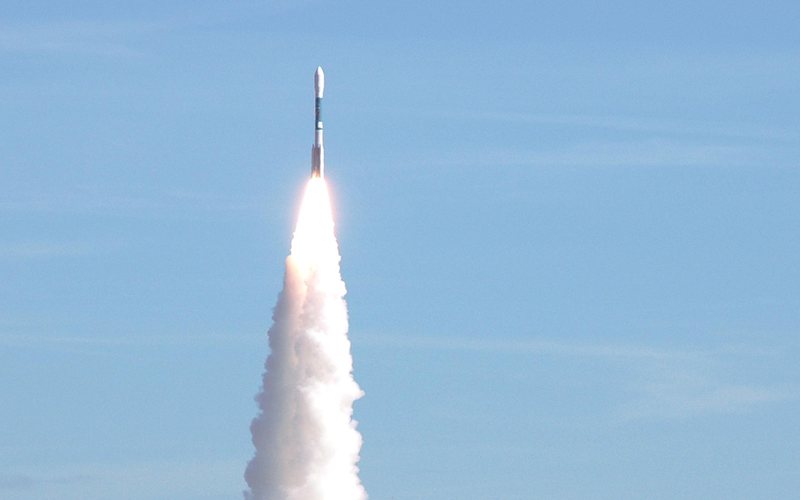
NASA’s Swift Fell Back to Earth After Nearly 22 Years
Swift spent almost 22 years catching gamma-ray bursts. Drag pulled it down, and it re-entered over Indonesia on Nov. 4.
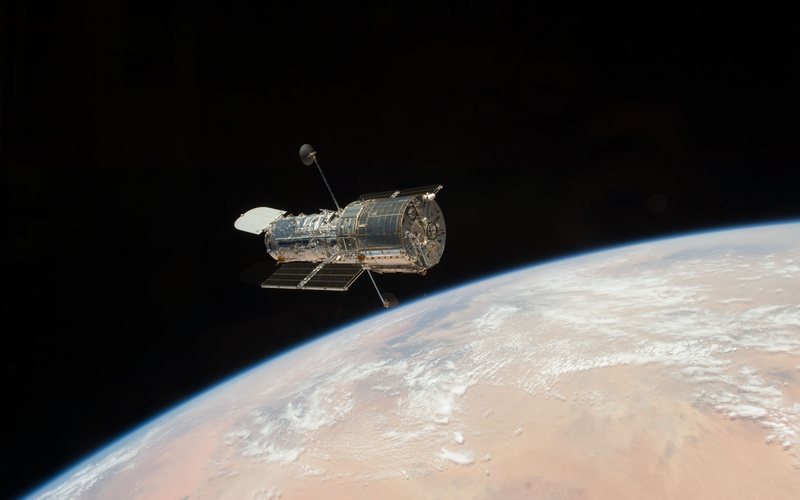
NASA Is Asking Companies How to Save Hubble Before It Falls
No engine, a slowly sinking orbit and a likely reentry in 2033 to 2034. NASA is asking companies who could reach Hubble by 2032.
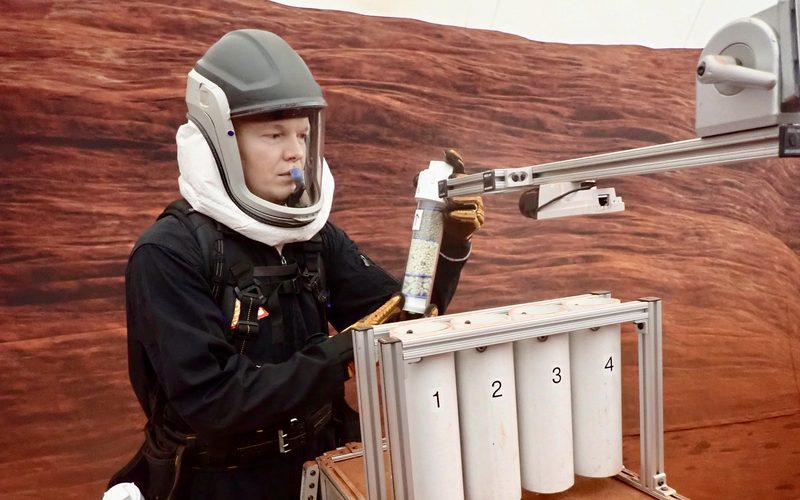
After 378 Days on a Simulated Mars, the Door Opened Saturday
Email with a delay, timed showers, Marswalks on red sand that never left the building. On Saturday, four NASA volunteers walked out after 378 days.
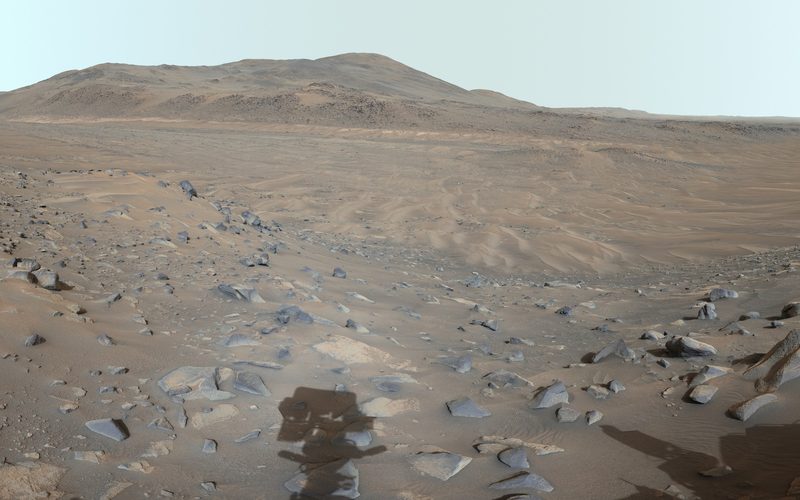
Mars Dust Is Finer Than We Knew
Perseverance has measured Martian dust grains around 100 nanometers wide stuck to spacesuit swatches. The big clumps shook off. The smallest grains stayed.
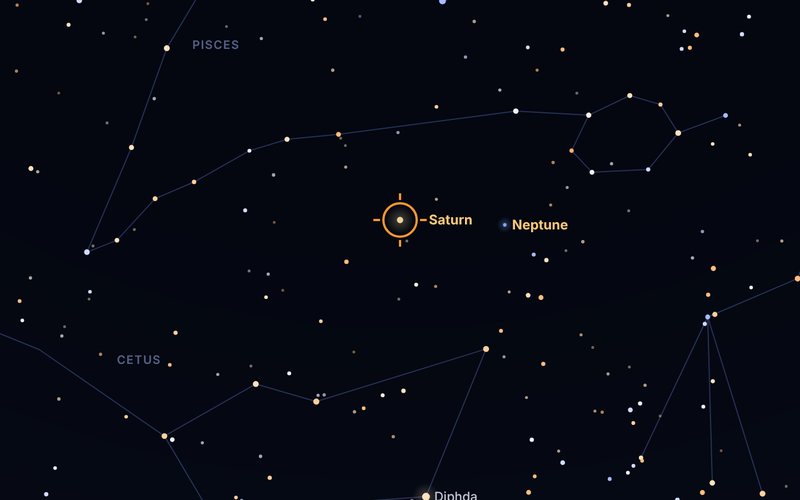
The Moon Stepped Aside in Early November. Here’s What the Dark Sky Showed.
From Monday night, Nov. 2, the Moon stayed out of the evening sky until after midnight, leaving Saturn high in the south and a few Taurid meteors.
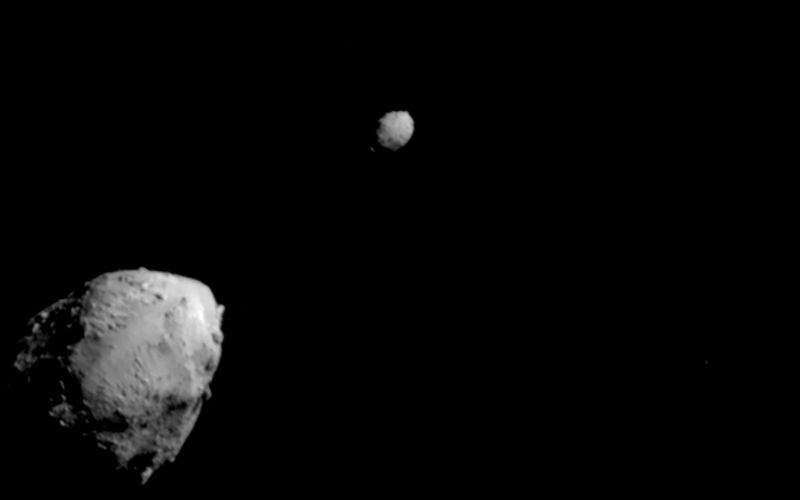
Hera Closed In on Two Asteroids. It Can’t Park.
Hera saw both asteroids as two separate bodies. But with almost no gravity to orbit, it will glide past in long arcs 20 to 30 km out, at about 12 cm per second.
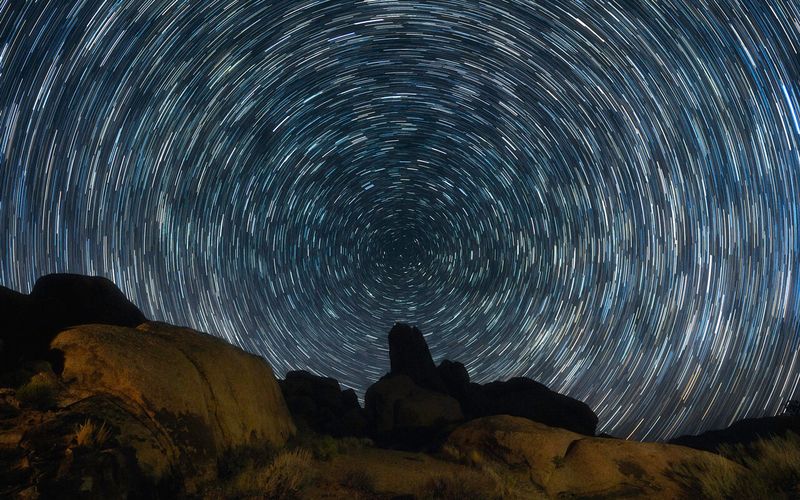
Why Doesn’t the North Star Move?
Polaris is hundreds of light-years away, and Earth’s axis points almost straight at it. It won’t be the North Star forever: our axis wobbles on a 26,000-year cycle.
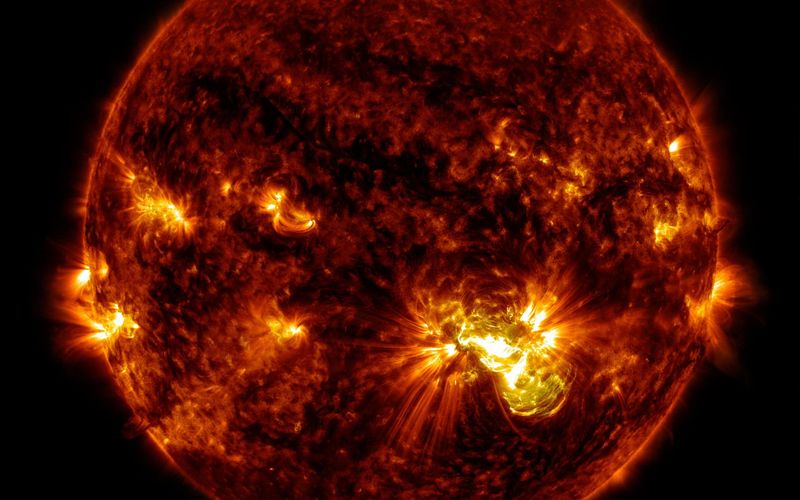
What If a Solar Superstorm Hit Tonight?
1859’s Carrington storm shocked telegraph operators and set fire to some offices. Today the risk is the power grid: a National Academies workshop put first-year cost at $1–2 trillion.
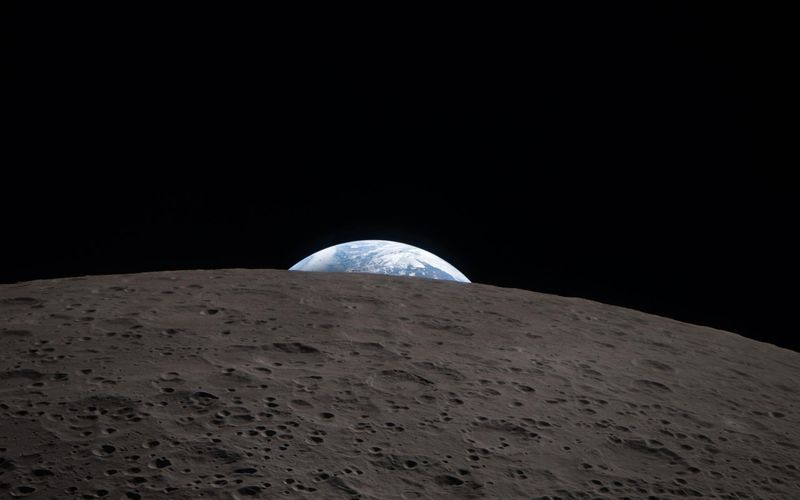
The Moon Is Slowly Leaving Us
The Moon drifts about 3.8 cm (1.5 in) farther from Earth each year, measured with lasers. NASA estimates total solar eclipses end in more than 600 million years.
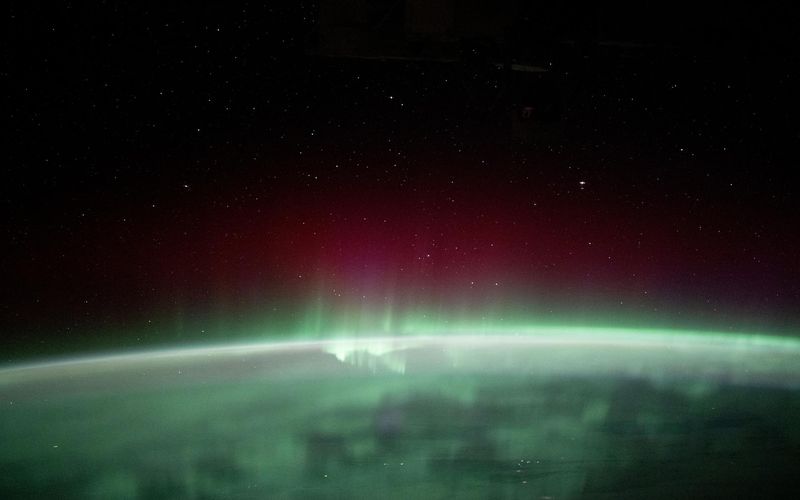
A small aurora chance on Oct. 20, then the Orionid peak
NOAA’s G1 watch for Oct. 20: Kp up to 4.67 from 5 to 8 p.m. ET, best at high latitudes. The Orionids peaked the night of Oct. 21–22.
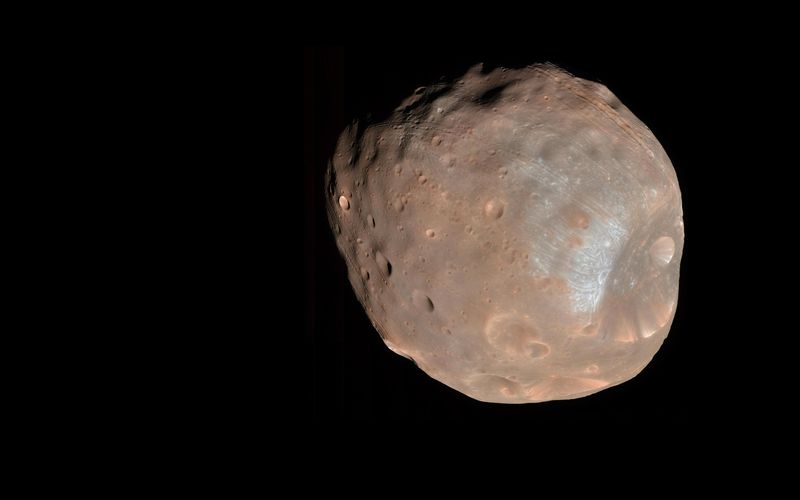
MMX is on its way to Phobos
Launched Oct. 19 at 3:41 p.m. ET and separated into its planned orbit. Next: Mars in August 2027, a Phobos sample home in 2031.
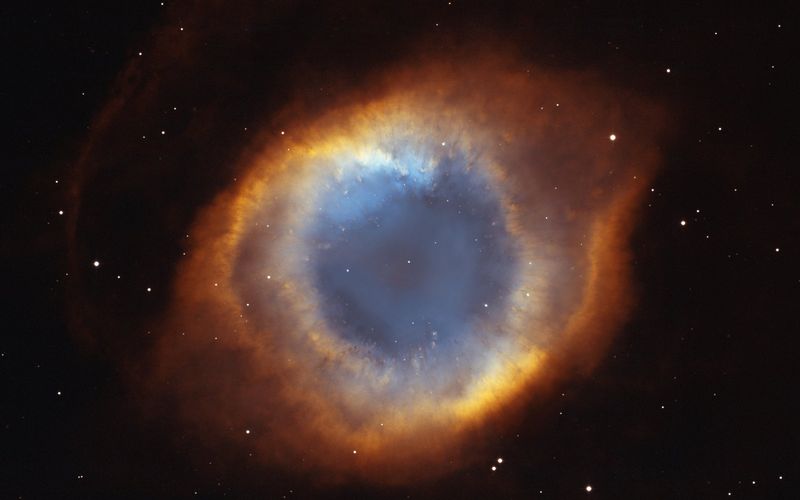
Astronomers find the first known green star
WD J1330+6435 would glow chartreuse green up close: sodium from swallowed rocky debris absorbs its orange light.
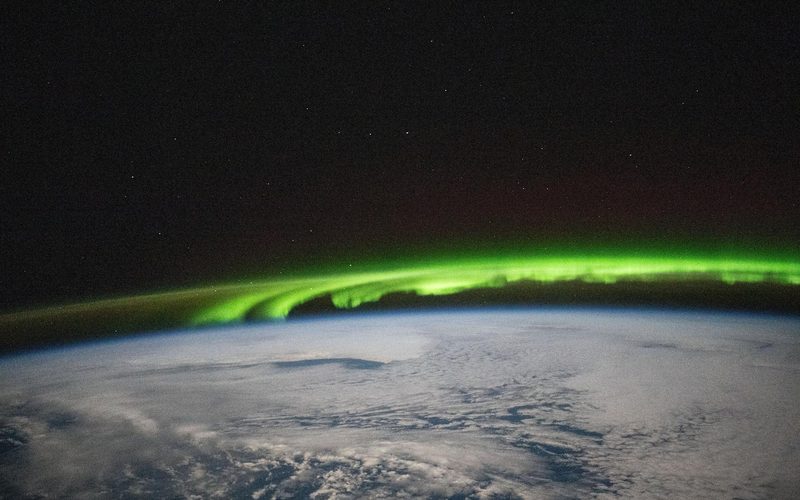
How to read space weather alerts
G1–G5, Kp, watch vs. warning vs. alert, flares vs. CMEs, and how to read NOAA’s aurora and 3-day forecasts.
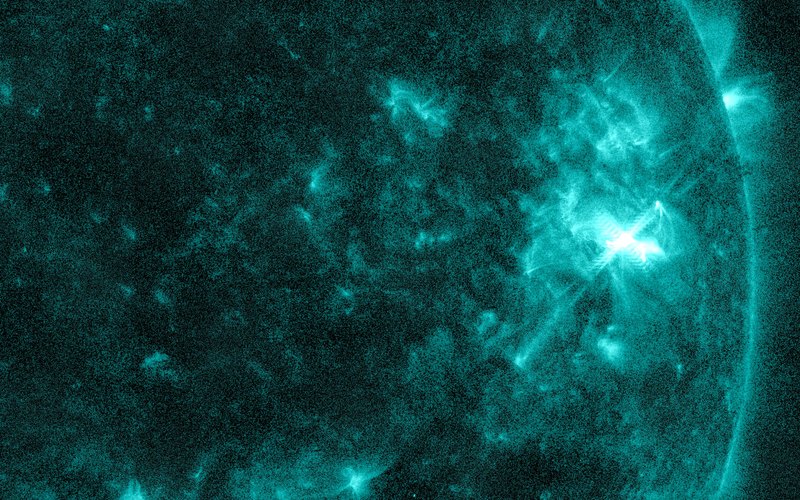
G3 solar storm hit Earth Oct. 10; G2 was possible that night
CME hit about 10:34 a.m. ET Oct. 10; Kp 7 (G3) from 1:58 p.m. NOAA forecast G2 for 8–11 p.m. ET that night. A new M6.4 flare launched a halo CME.
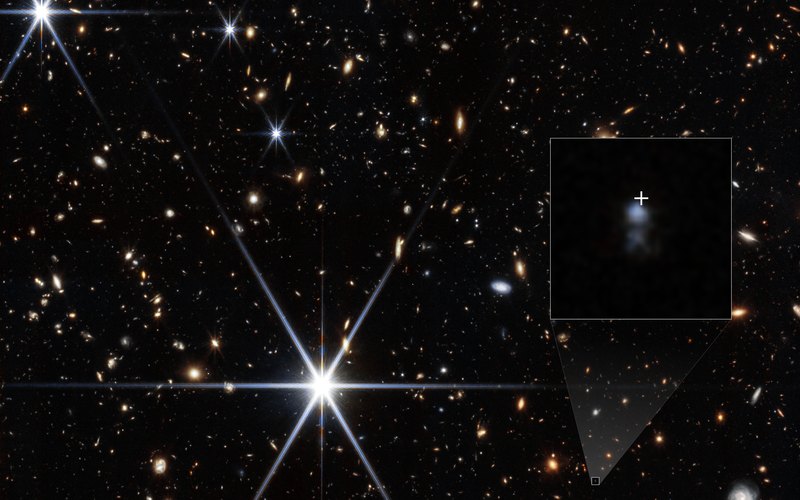
Webb finds the home of the most distant fast radio burst
A radio flash from 3 billion years after the Big Bang came from a tiny, young galaxy. The clue points to magnetars.
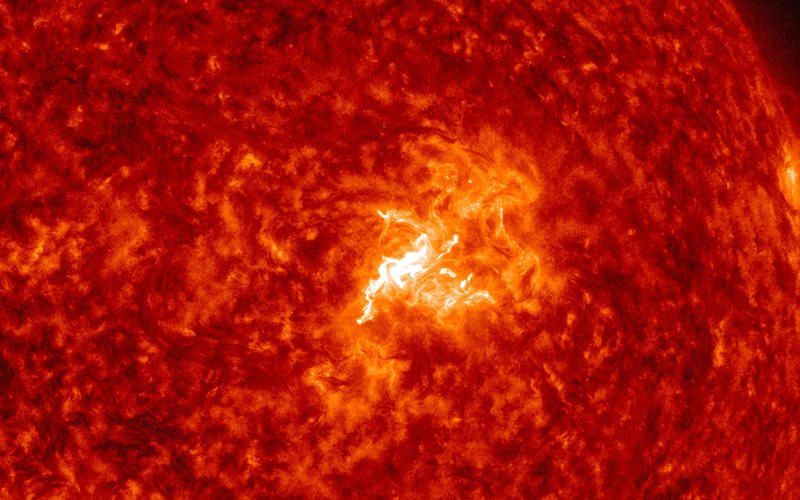
M6.7 flare on Oct. 8; the weekend storm arrived Saturday
M6.7 peaked 11:48 a.m. ET Oct. 8. A CME hit Saturday, Oct. 10, and drove a G3 storm; NOAA forecast G2 for 8–11 p.m. ET that night.
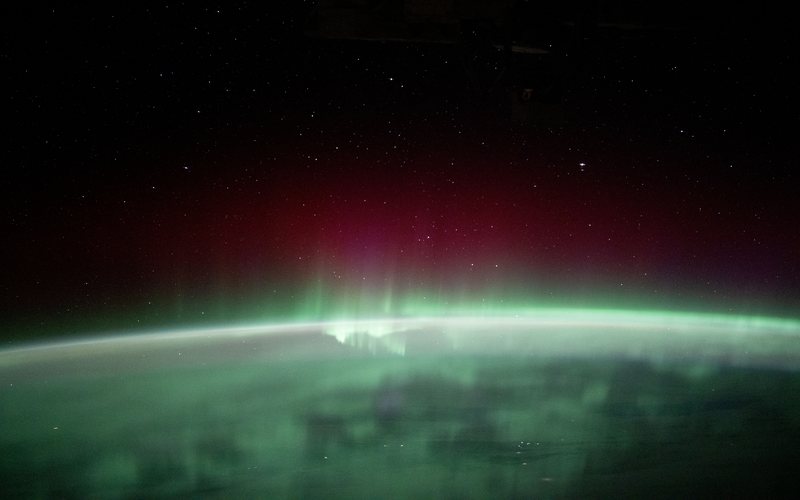
Oct. 8–9 aurora forecast fizzled; a G3 storm hit Saturday
Friday’s forecast storm fizzled (max Kp 4). A CME hit Saturday, Oct. 10, and drove a G3 storm, mostly in U.S. daylight.
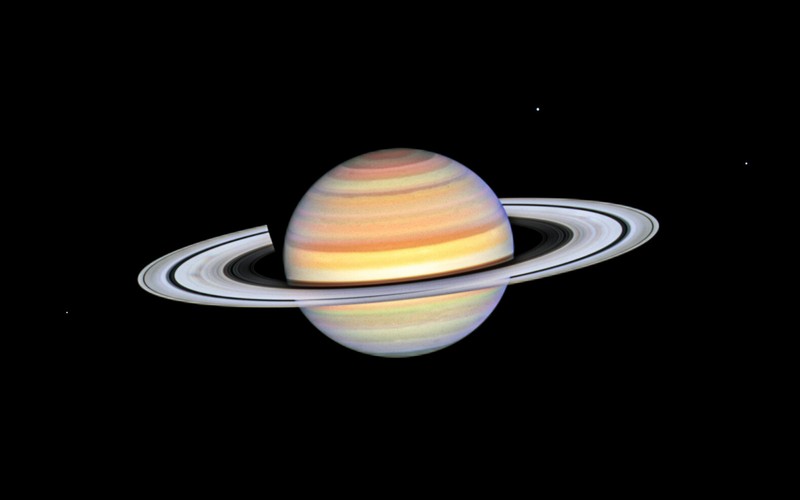
Saturn was at its best in early October
After Oct. 4 opposition: closest and brightest for 2026, up all night, rings opening again.
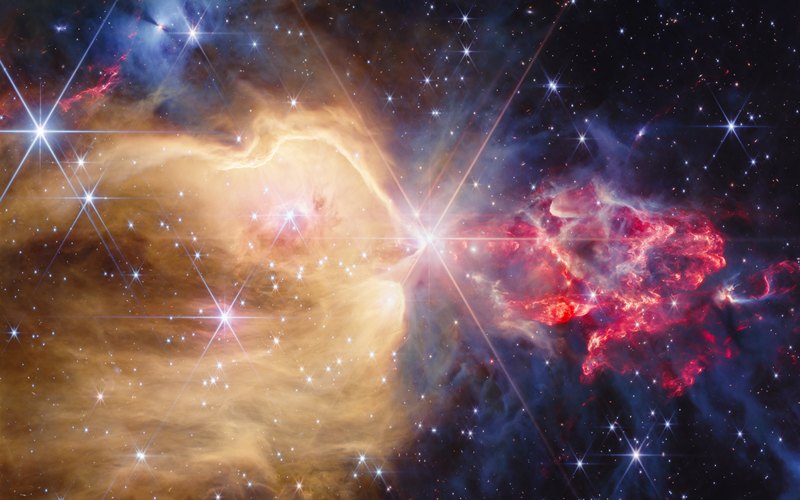
Webb peels open a stellar nursery in Cepheus
Gold hot atomic hydrogen on one side, red protostar shocks on the other — Webb’s new NIRCam portrait of NGC 7129.
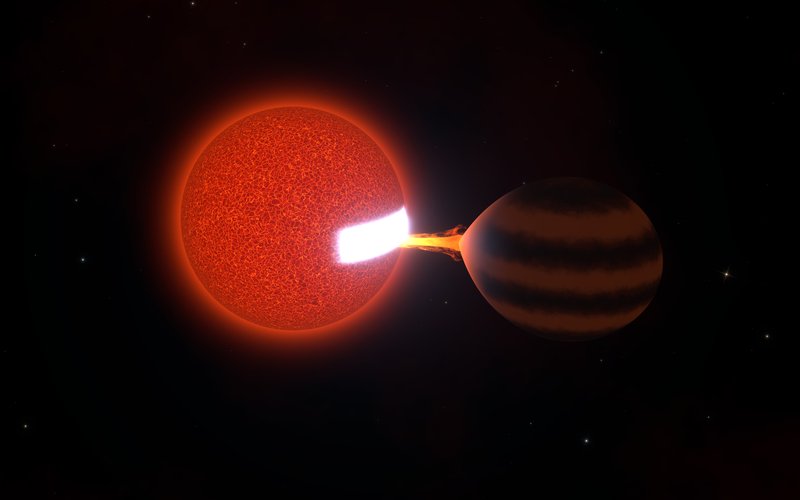
A star is slowly eating a brown dwarf
Every 87 minutes, a strange triangle of light: a red dwarf feeding on a brown dwarf in an orbit that could fit inside the Sun. A first — and it could last billions of years.
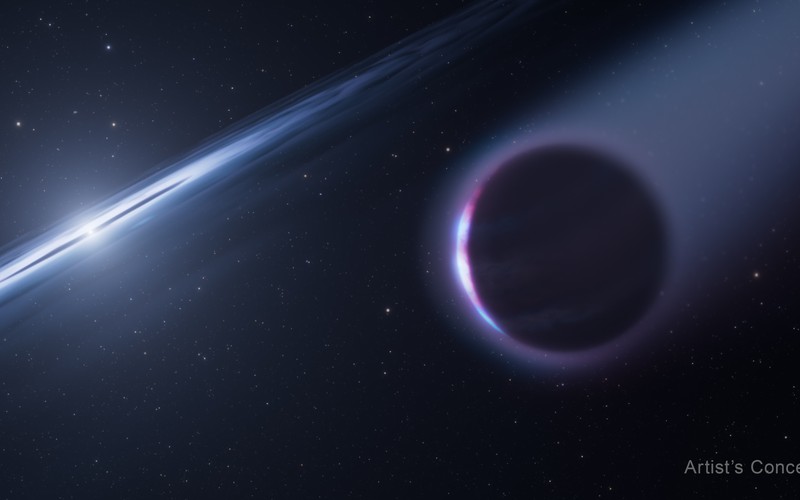
A planet candidate risen from a dead star’s ashes
Hubble’s cold case on white dwarf HS 0209+0832 points to a suspected second-generation gas giant. Strong evidence — still a candidate.
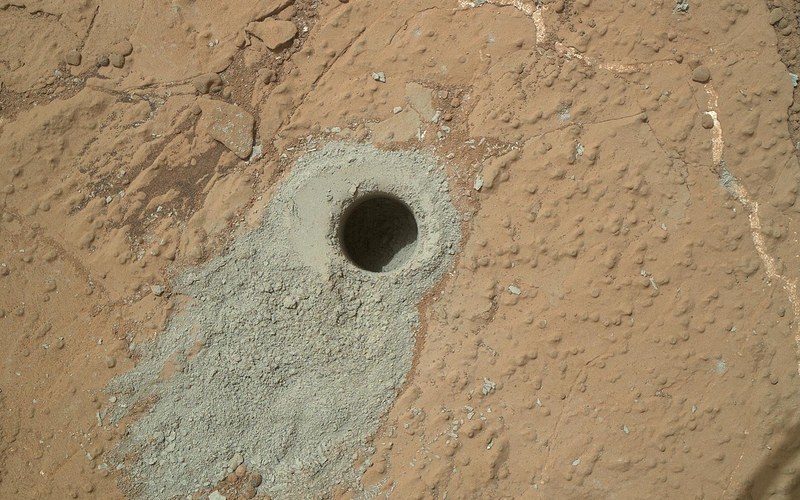
Curiosity found Mars’s longest organic molecules yet
Decane, undecane, and dodecane in Cumberland mudstone may be fatty-acid fragments. Origin still unknown — not a life detection.
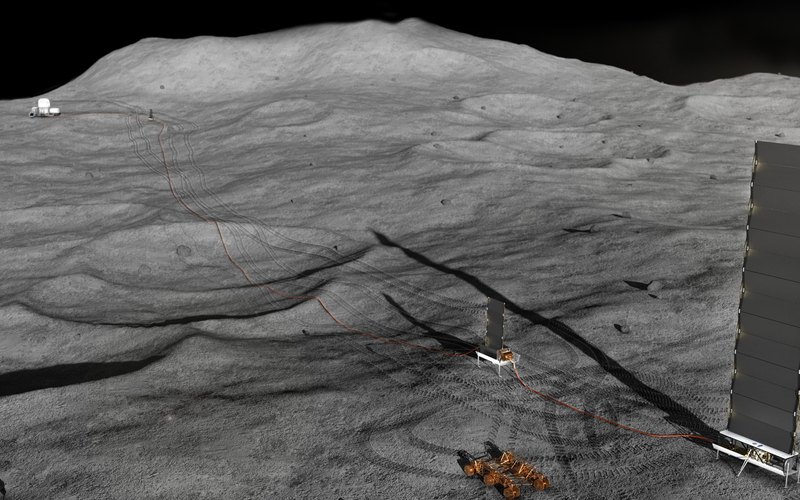
A two-week lunar night is why a reactor is on the table
NASA and DOE want fission power on the Moon by 2030. Russia and China are talking mid-2030s. Neither reactor is there yet.
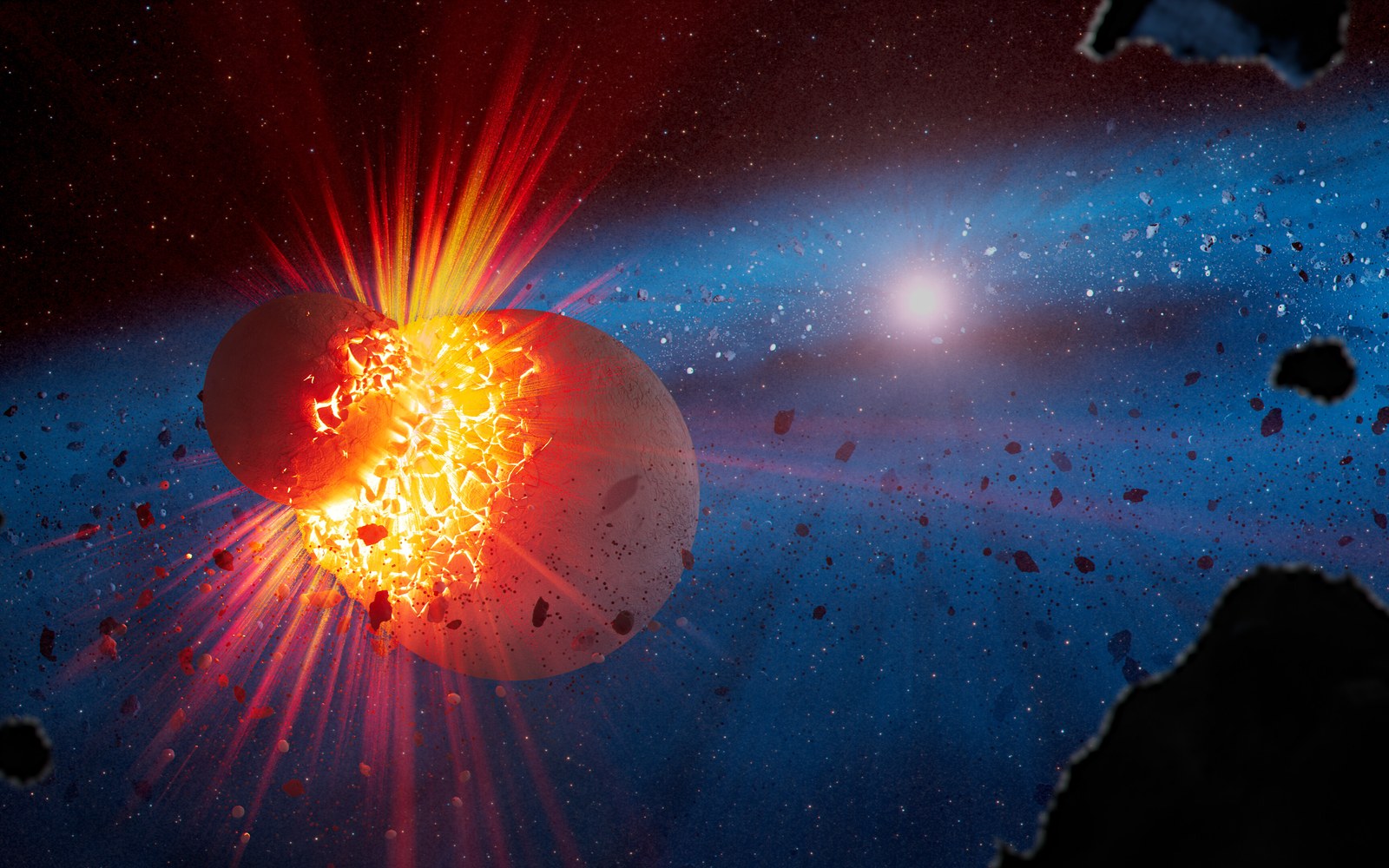
Webb finds dust from planet-shattering collisions
A rare class of warm dusty disks around young stars carries silica clues to Mars-sized smashups — the kind that may have made our Moon — and quieter Moon-sized grazes.
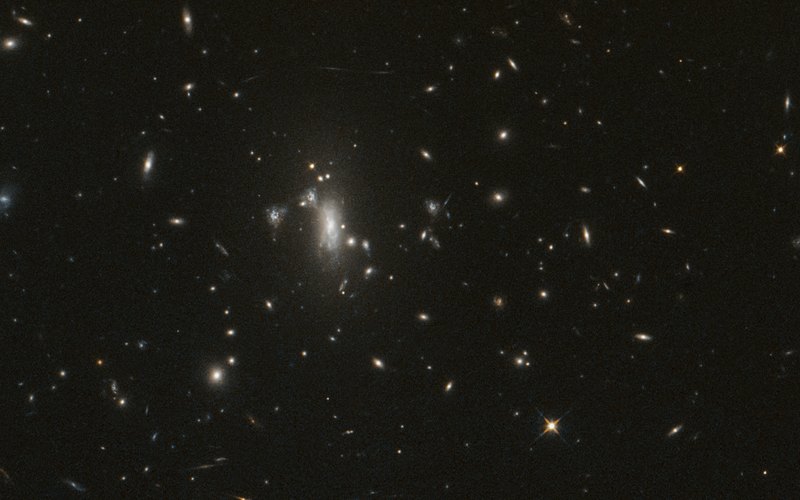
One star died. Earth will see it more than once.
On orbit 200,000, Hubble watched a galaxy cluster that can show the same star explosion more than once. Supernova Athena should reappear by early March 2027.
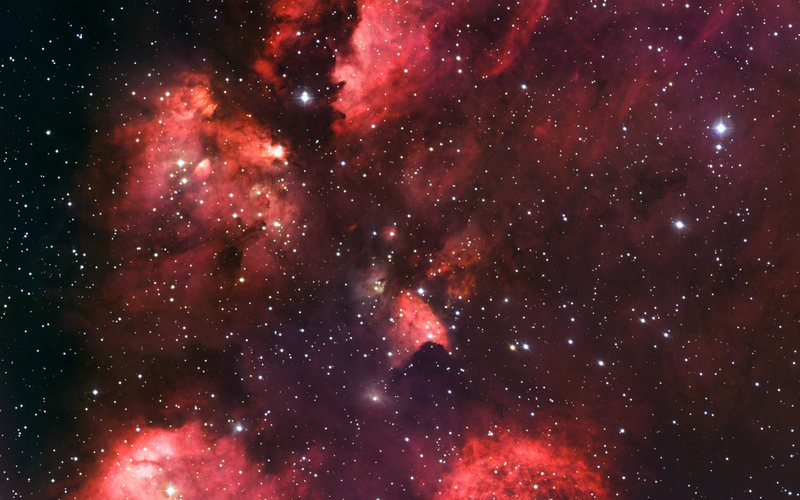
The Milky Way left a cat’s paw in the sky
NGC 6334 is a giant cloud of glowing hydrogen where massive stars are being born — and where that birth will eventually shut itself down.
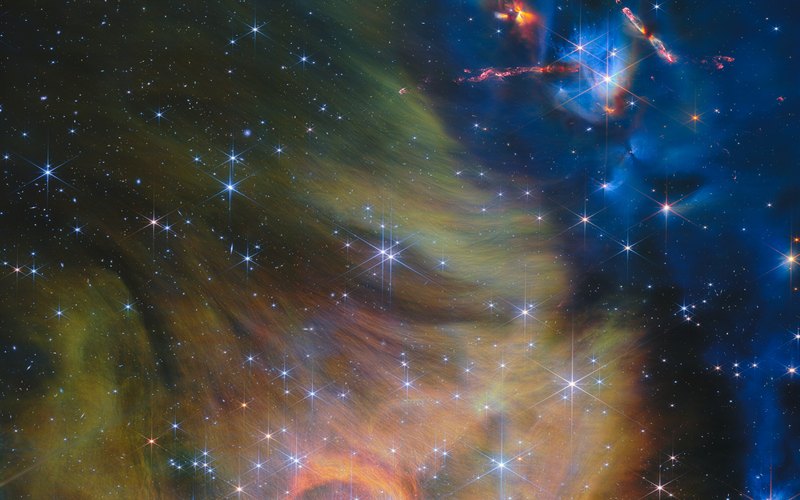
Webb finds brown dwarfs barely heavier than Jupiter
A huge NIRCam panorama of IC 348, 1,000 light-years away, frames brown dwarfs with mass estimates near two Jupiters — and jets from newborn stars.
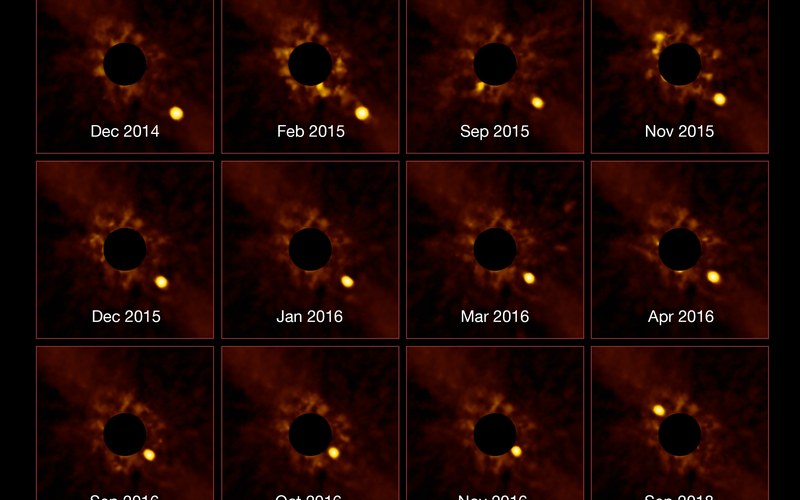
First direct radio signal from an exoplanet
MeerKAT localized auroral radio bursts to Beta Pictoris b — the first unambiguous radio detection from an exoplanet rather than its host star. Preprint awaiting peer review.
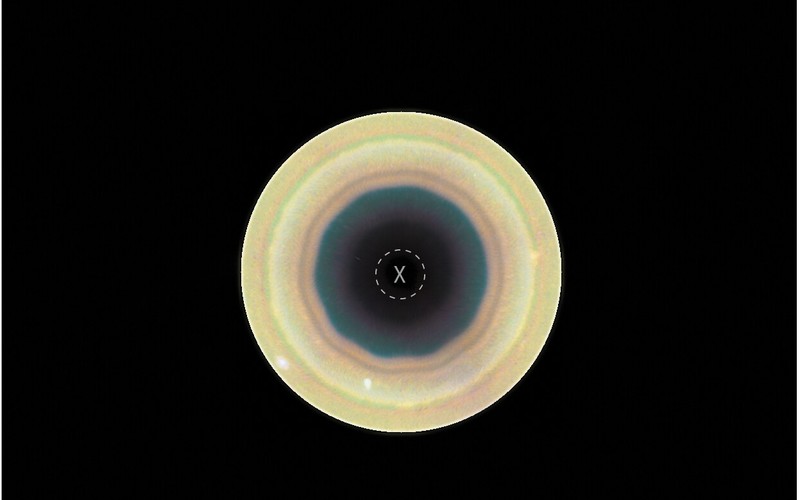
Hubble tracks a new 10-sided storm on Saturn
Hubble’s OPAL images reveal a strengthening decagon wave near Saturn’s south pole — the first large regular-sided jet pattern seen in the southern hemisphere.
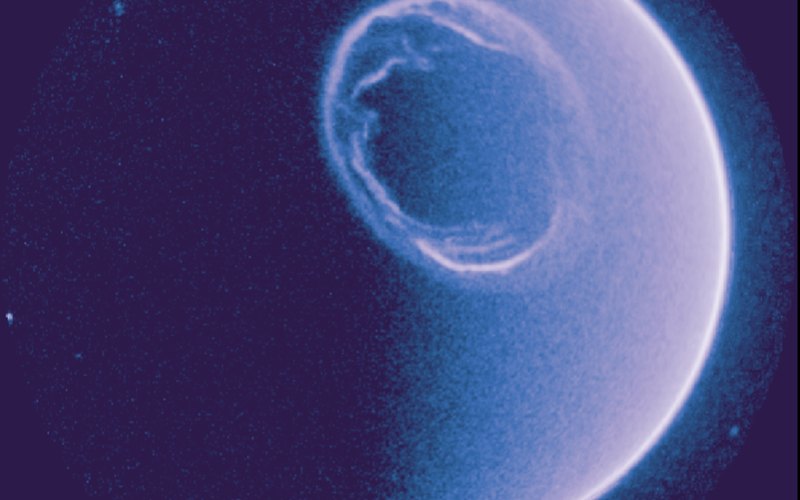
ESA’s Smile begins science operations
Smile is approved for science ops. UVI captured the full northern aurora ring in UV — the first since 2008.
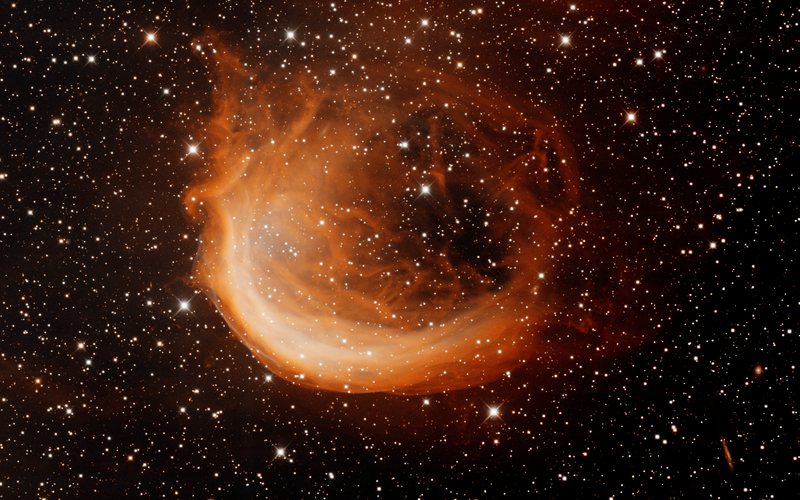
The strange star that looks like a shrimp
In Cassiopeia, a white-dwarf remnant races through gas and piles it into a glowing bow shock — the Shrimp Nebula.
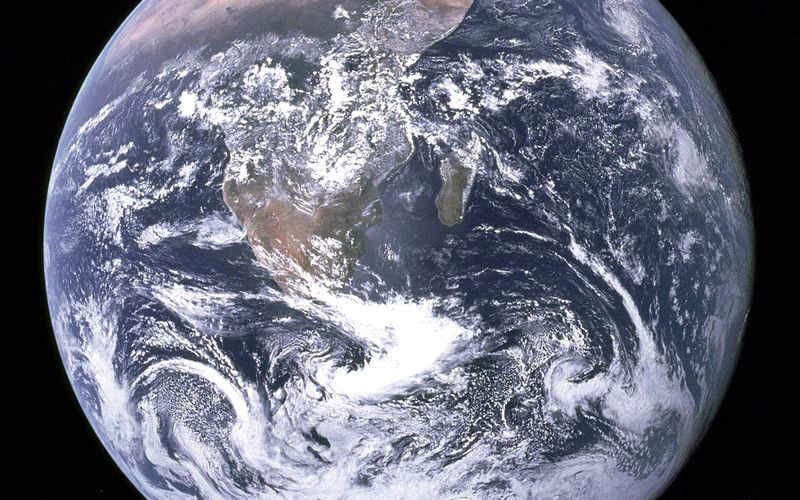
Earth from space: how small we really are
One pale sphere. No borders. A thin blue shell holding every person you have ever known.
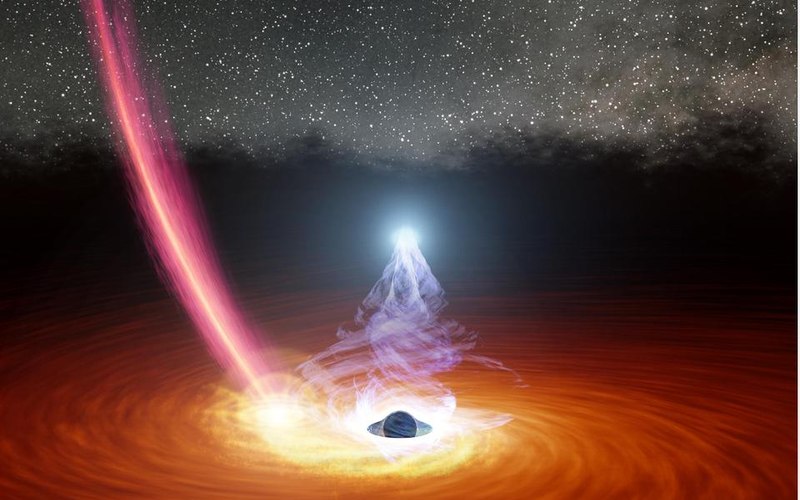
What a black hole means for everyday life
They sound like science fiction. Their gravity shaped the galaxies we call home — including ours.