 No Ground
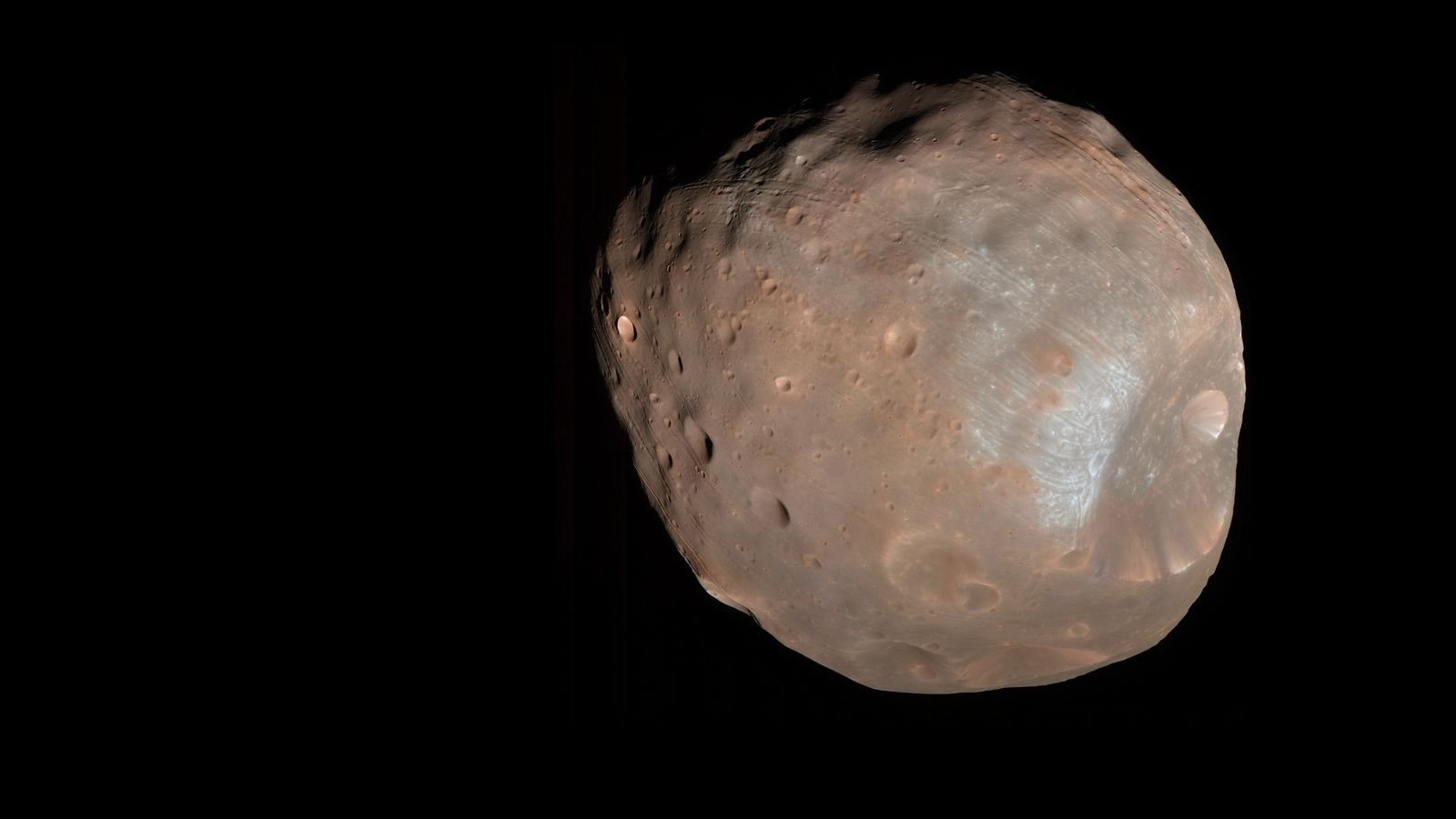
Updated Oct. 20, 2026, 12:33 p.m. ET. MMX has launched. According to JAXA, the H3 rocket lifted off at 3:41:03 p.m. ET on Oct. 19 (4:41:03 a.m. JST Oct. 20), “flew as planned,” and about 71 minutes 13 seconds later MMX separated and was put into its planned orbit. Our original preview from Oct. 17 follows, updated below.
MMX launch: what happened
Right on time, JAXA’s H3 rocket (flight No. 10) lifted off from the Tanegashima Space Center with MMX on board at 3:41:03 p.m. ET Monday. JAXA confirmed that MMX separated from the rocket about 71 minutes and 13 seconds after liftoff, around 4:52 p.m. ET, and entered its planned orbit.
After separating, MMX contacted ground controllers, unfolded its solar panels and was in a “very stable condition,” JAXA project manager Yasuhiro Kawakatsu said, according to Ars Technica. “So far, so good,” he said. JAXA’s own launch release does not mention the spacecraft’s status after separation.
“I would like to congratulate JAXA and the entire MMX team for this successful launch.” — Professor Carole Mundell, ESA Director of Science
“The launch was spectacular, and JAXA's H3 launcher performed fantastically to send MMX onward to Mars. The team are celebrating, and now even more motivated to prepare for arrival at Mars next summer to start investigating its moons Phobos and Deimos up close.” — Elliot Sefton-Nash, ESA Project Scientist for MMX
ESA adds that MMX will be the first spacecraft to orbit Phobos, the first to collect samples from its surface, and the first to return to Earth from the Mars system.
Mars has two small, lumpy moons, and nobody knows for sure where they came from. Japan has now launched a spacecraft to find out. It’s meant to bring a piece of the bigger moon, Phobos, back to Earth.
The Japan Aerospace Exploration Agency’s Martian Moons eXploration (MMX) spacecraft lifted off on an H3 rocket (flight No. 10) from the Yoshinobu Launch Complex at JAXA’s Tanegashima Space Center at 3:41 p.m. ET on Monday, Oct. 19. In Japan that was 4:41:03 a.m. on Tuesday, Oct. 20.
Find Mars in your skyLive sky map for where you are: when it rises and where to look.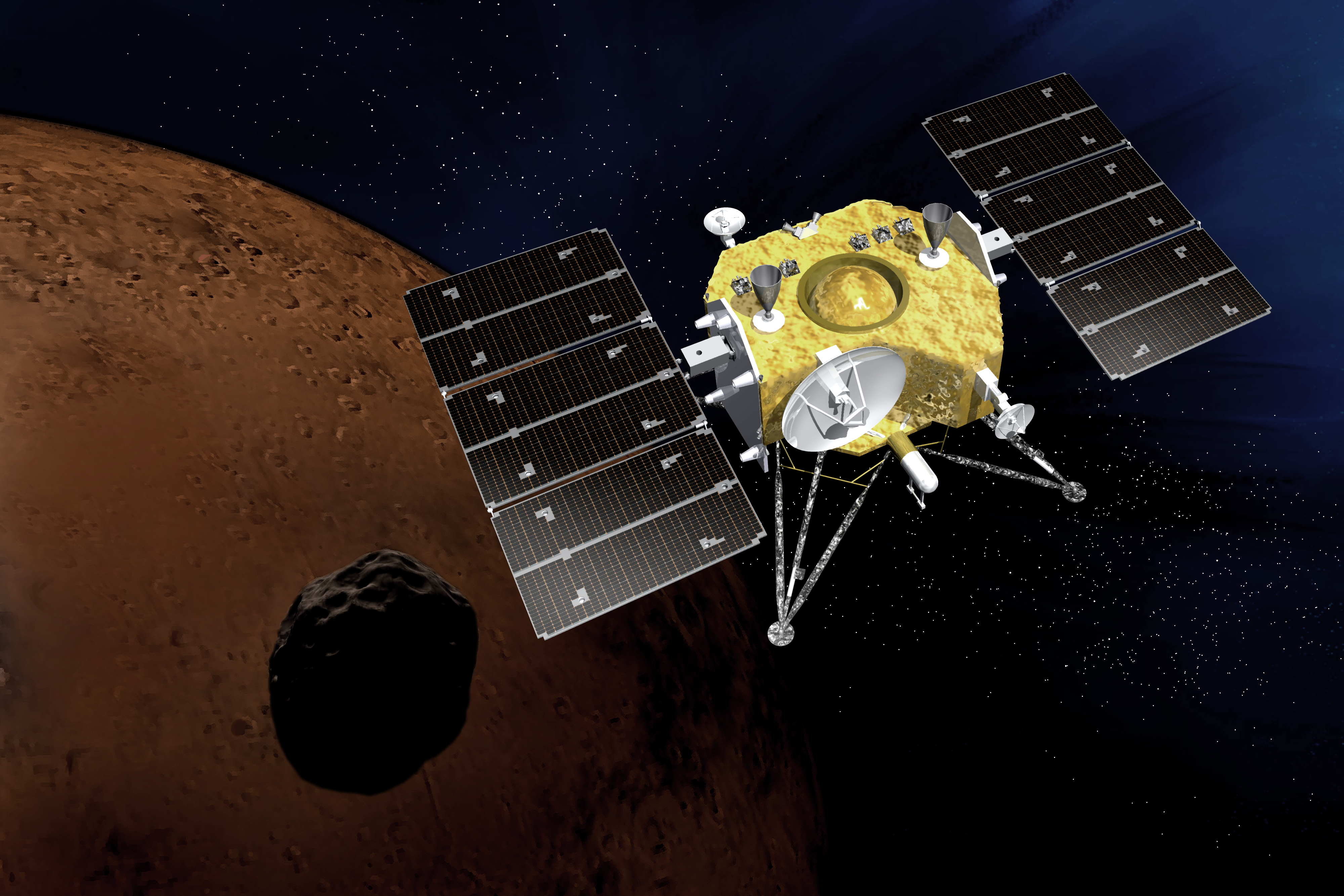
Launch details
- Liftoff: Monday, Oct. 19, 3:41:03 p.m. ET (4:41:03 a.m. JST Tuesday, Oct. 20), right at the target time JAXA set in August.
- Rocket: JAXA’s H3, flight No. 10, from the Yoshinobu Launch Complex at Tanegashima.
- Separation: about 71 minutes 13 seconds after liftoff, into the planned orbit (JAXA).
- Replay: ESA links to JAXA’s recorded livestream of the launch.
What will MMX do at Phobos?
According to ESA, MMX will be the first mission to collect a sample from Phobos and bring it to Earth. It will also be the first mission to visit the Mars system and come back. Here’s ESA’s plan:
- The main spacecraft studies Phobos from a distance.
- It drops a small rover called Idefix onto the surface.
- Then it lands on Phobos itself to grab a sample.
- On the way home, it flies past Deimos and studies Mars too.
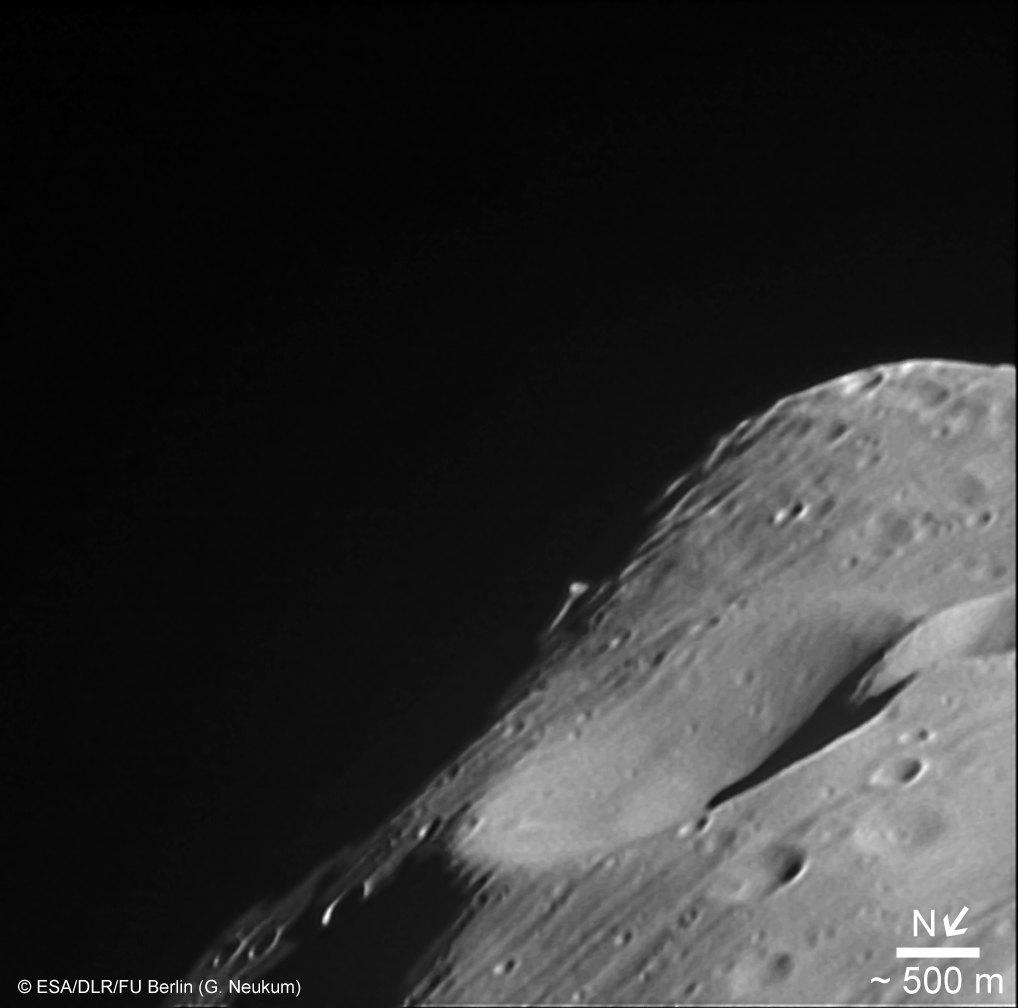
The mission carries 11 science instruments, seven on the main spacecraft and four on the rover. The 25-kg Idefix rover will scout the ground ahead of the main landing and study what Phobos’s surface is made of and how it feels. Phobos’s gravity is so weak that Idefix will weigh the equivalent of only 15 grams there, ESA says.
Who’s involved?
JAXA leads MMX, working with NASA, the French space agency CNES, the German Aerospace Center DLR, and ESA. NASA is supplying an instrument called MEGANE (pronounced meh-GAH-nay, Japanese for “eyeglasses”). It measures gamma rays and neutrons coming off Phobos to work out what elements the moon is made of. NASA is also contributing a sampler test called P-Sampler, and support from its Deep Space Network.
“The data and samples returned by MMX are a window to study the evolution of Mars and the Solar System.” — Elliot Sefton-Nash, ESA MMX Project Scientist
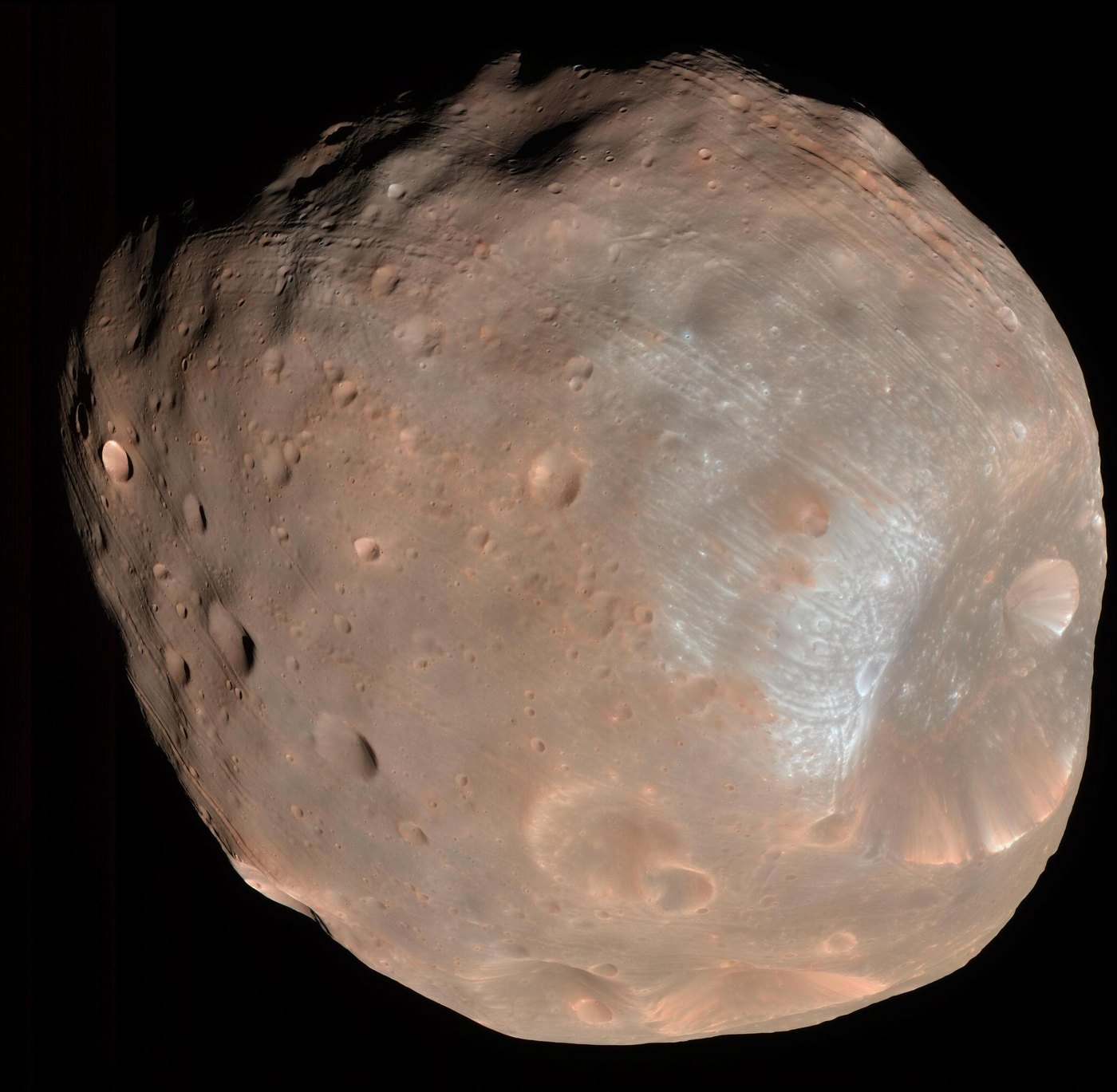
Why do Mars’s moons matter?
Scientists have long debated how Phobos and Deimos formed. They might be asteroids that Mars’s gravity captured. Or they could be debris thrown into orbit when something huge slammed into Mars. NASA says MEGANE’s measurements of what Phobos is made of will give important clues. Bringing back a real sample could finally answer the question.
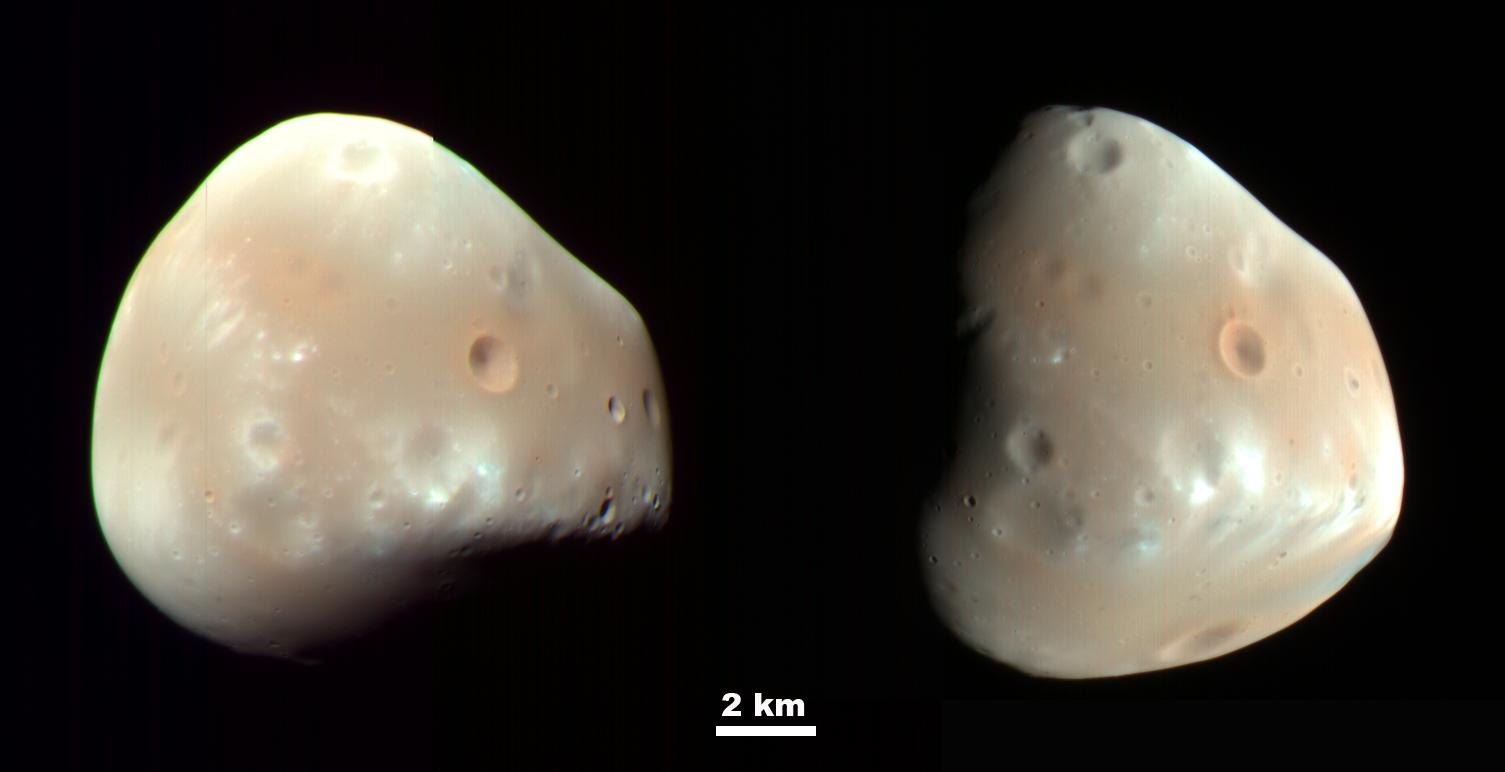
MMX timeline: Mars in 2027, sample home in 2031
- Oct. 19, 2026 (ET): launched (JAXA).
- August 2027: arrival at Mars (NASA, ESA), then orbiting Phobos from September 2027 (ESA).
- Early 2029: Idefix rover released (ESA).
- 2030: MMX lands and collects at least 10 grams of samples from two different sites on Phobos, ESA says. (NASA puts sample collection no earlier than December 2028.)
- November 2030: the return module starts heading home, flying past Deimos and Mars (ESA).
- 2031: a capsule brings the samples down in the Woomera Prohibited Area in Australia (ESA, NASA).

Next stop: Mars, in August 2027. No Ground. Stay curious.