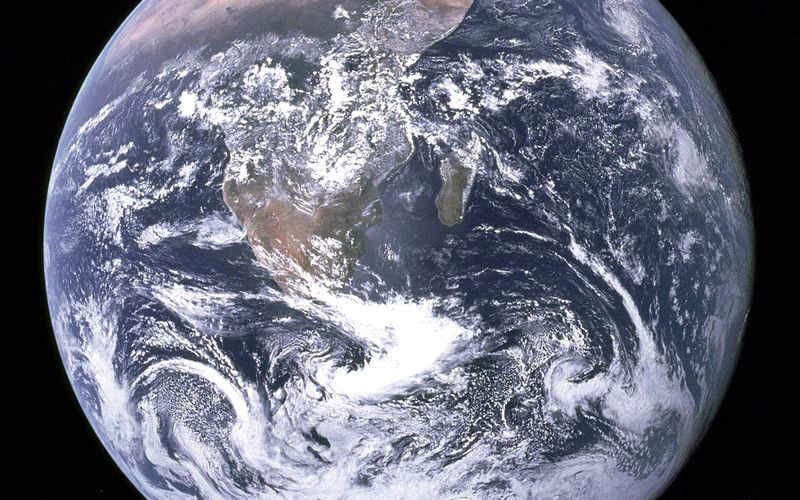
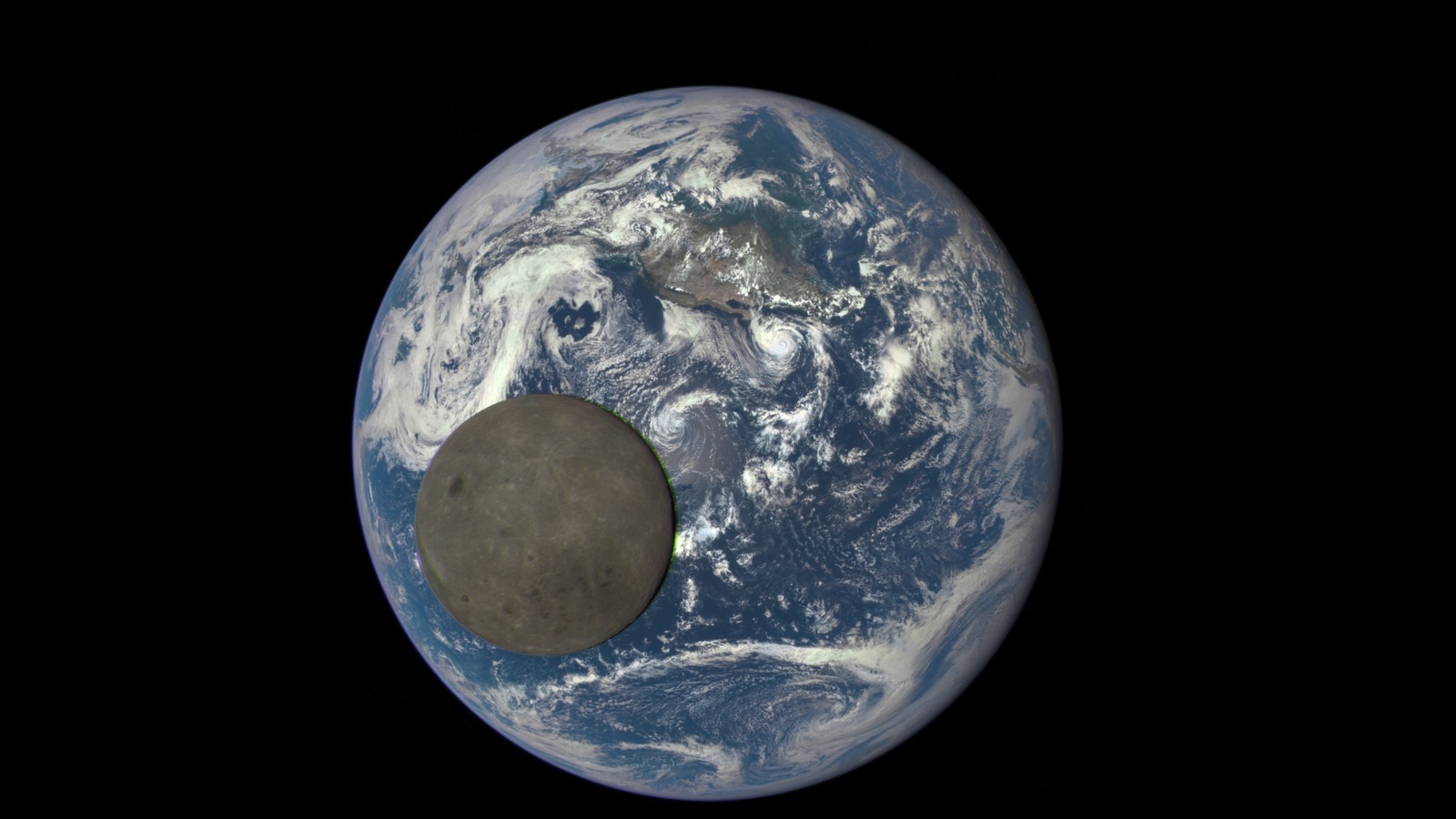
The Moon’s sunlit far side crossing in front of the full, blue and white disk of Earth, seen from about a million miles away
The No Ground Story
Space

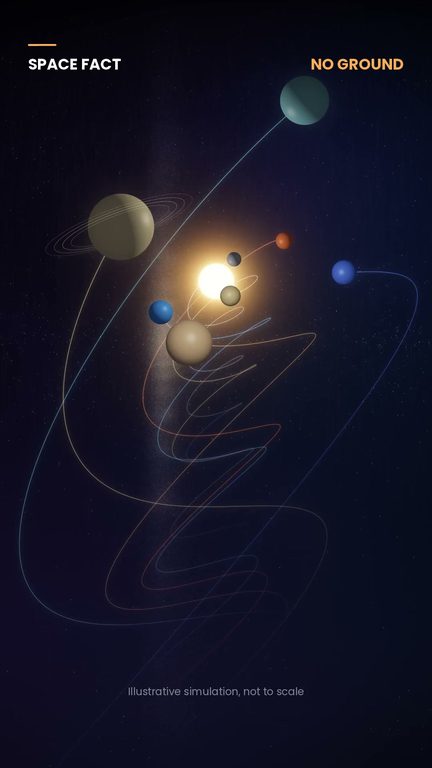
What Are Lagrange Points? The 5 Places Where Spacecraft Park in Space

Lagrange points are spots where the pull of the Sun and Earth balance, so a spacecraft can ride along with Earth. Here is what all five are and why Webb lives at L2.
November 26, 2026 · 7 min read
Latest News

What we’re covering now

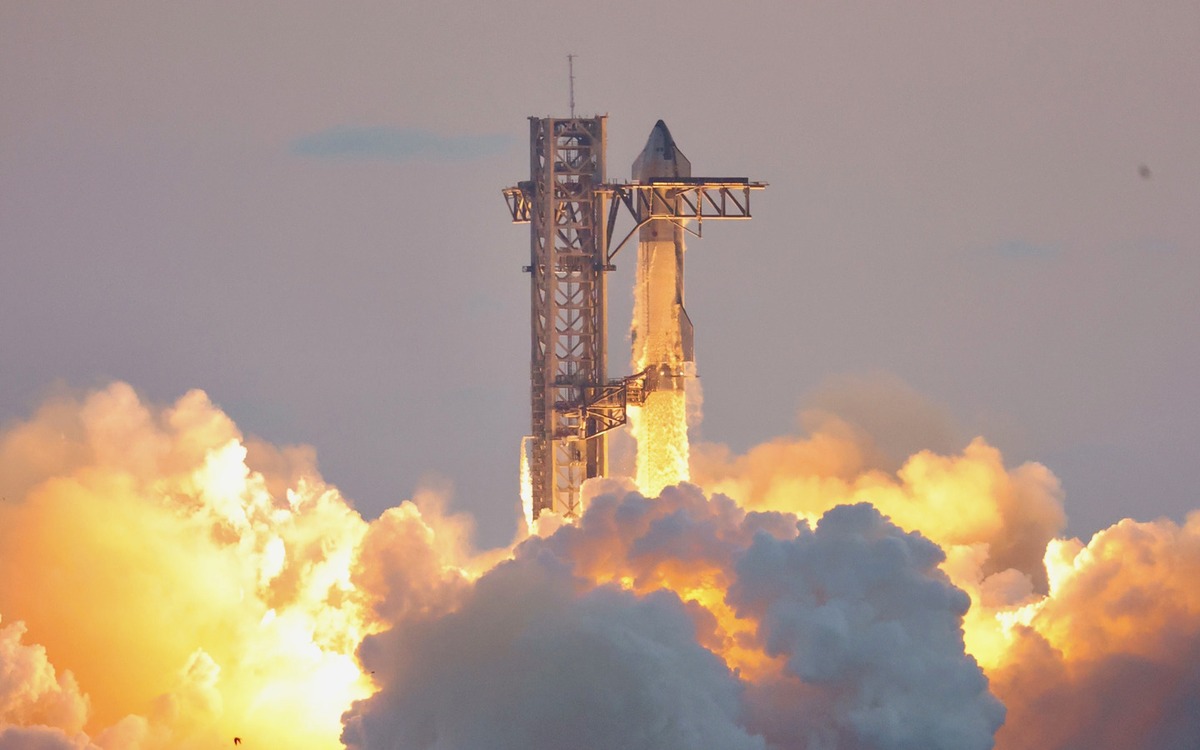
SpaceX Starship lifting off from Starbase next to the launch tower, engines glowing through clouds of exhaust
Space

US Approves SpaceX Plan for 1 Million Data Centre Satellites

The FCC has licensed Starmind, up to a million SpaceX satellites meant to run AI computers in orbit. Here is what was approved, the 2033–2040 deadlines, and why astronomers object.

Nov 26, 2026 6 min
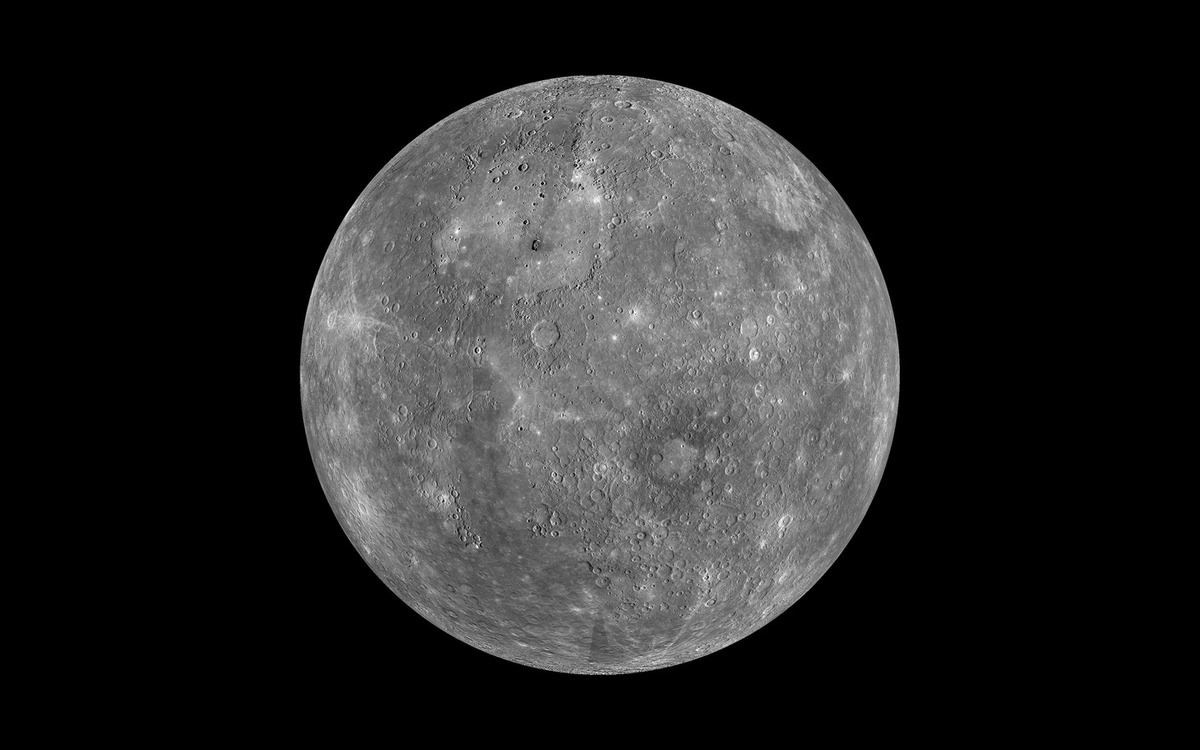
A grey, cratered globe of Mercury on a black background, photographed by NASA’s MESSENGER orbiter
Missions

BepiColombo Is Safe in Mercury Orbit After a Software Glitch

A braking burn at Mercury ended early and put the spacecraft into safe mode. ESA says the planet still captured it, and the December plan still holds.

Nov 25, 2026 6 min
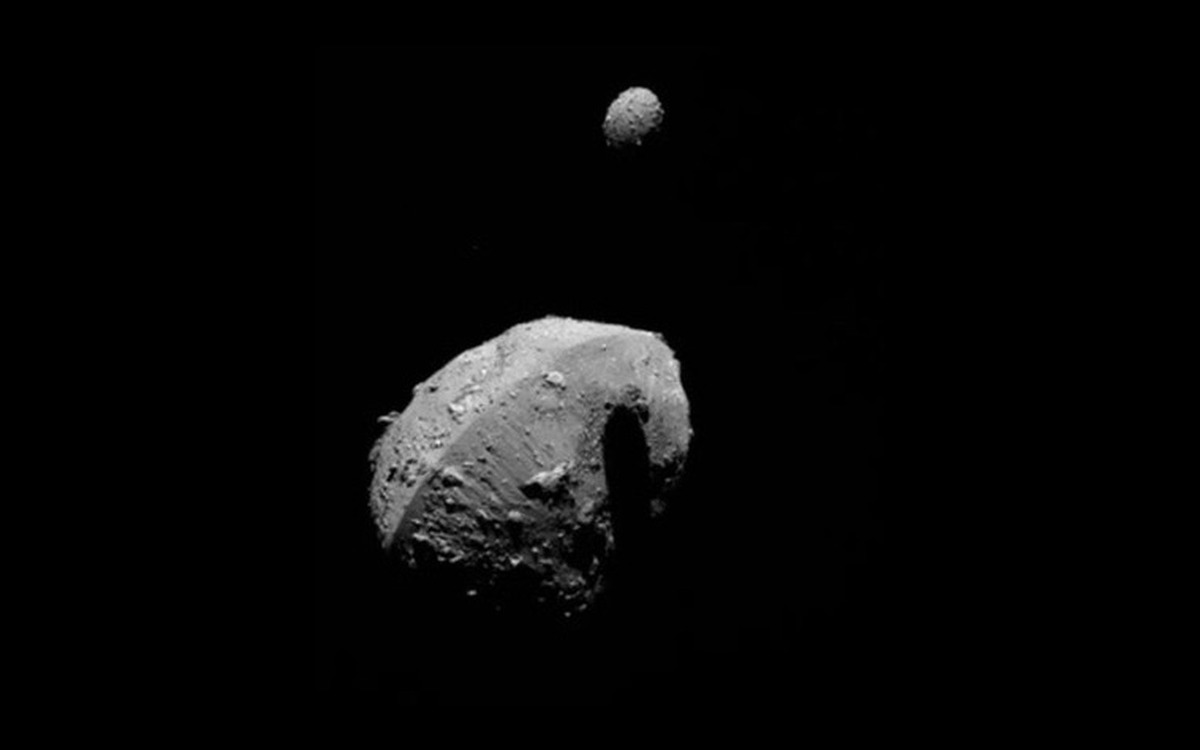
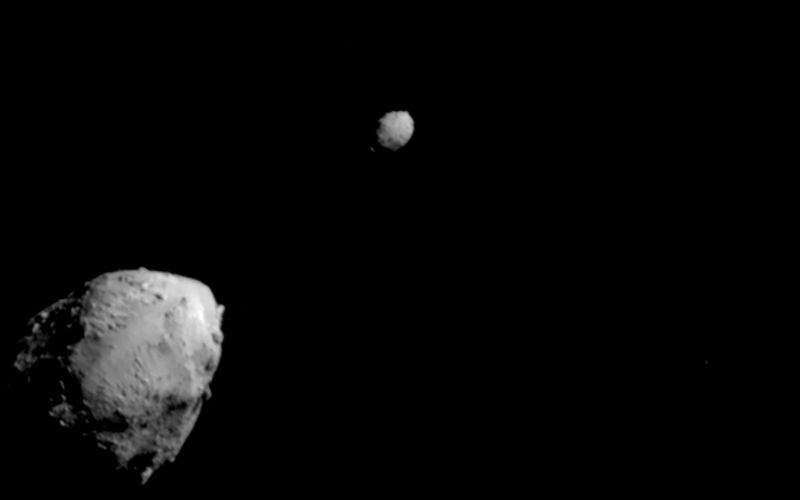
A small, lumpy asteroid moonlet above a larger boulder-strewn asteroid, whose right side is darkened by a rounded shadow on a black background
Missions

Hera Caught a Solar Eclipse on an Asteroid

ESA’s Hera spacecraft has photographed Dimorphos casting its shadow across Didymos — the same kind of solar eclipse we see from Earth, on a stage only a kilometre wide.

Nov 25, 2026 6 min
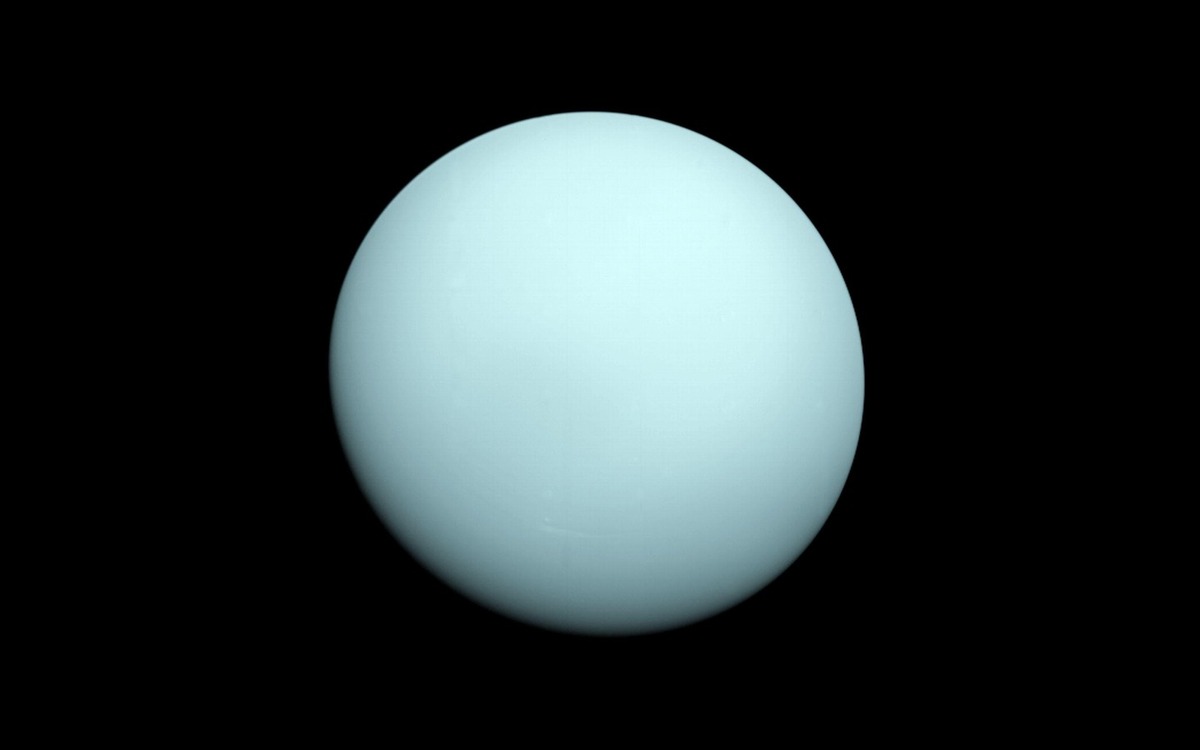
The pale blue-green disk of Uranus, photographed by NASA’s Voyager 2 in 1986 against a black background, with almost no visible clouds
Science

Only One Spacecraft Has Ever Visited Uranus

Voyager 2 flew past in 1986 and gathered much of its key data in just six hours. A 2024 study says it may have caught the planet during a rare solar-wind squeeze.

Nov 24, 2026 9 min
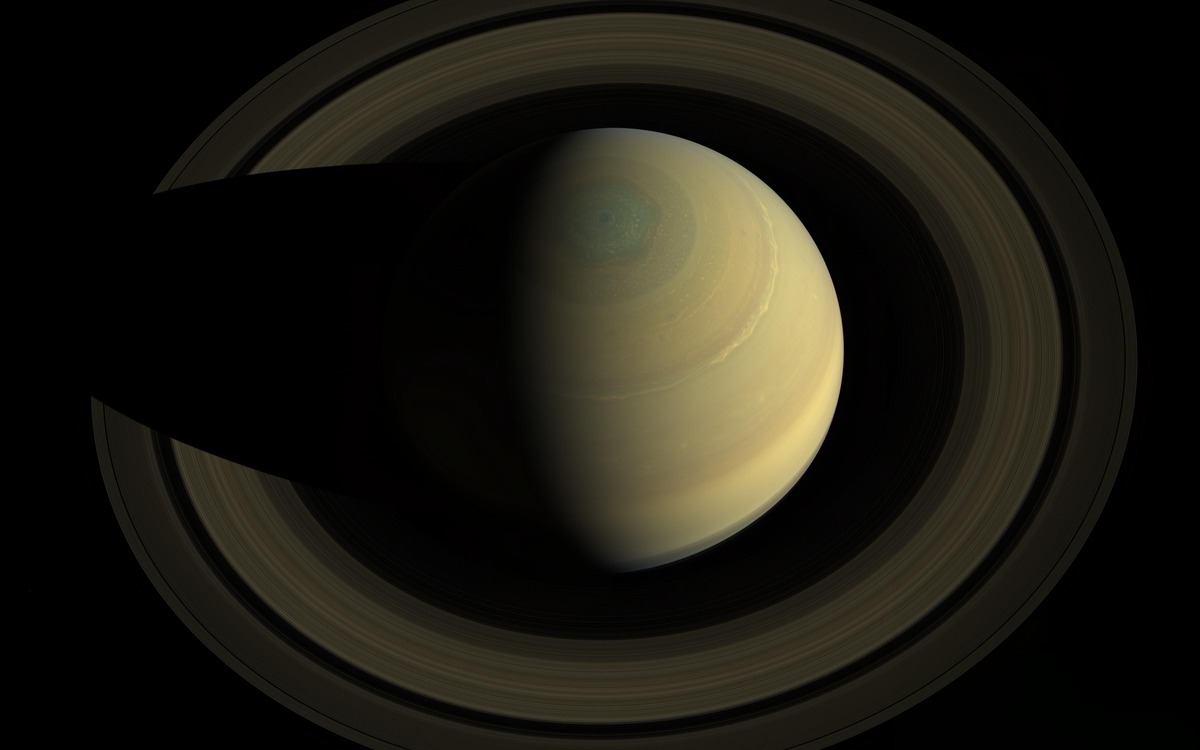
Saturn and its golden rings seen from above by NASA’s Cassini spacecraft, with the planet’s shadow falling across the rings against a black background
Science

Is Saturn Losing Its Rings? How “Ring Rain” Works

Ice from Saturn’s rings is falling into the planet fast enough to fill an Olympic pool in about half an hour. Here is how ring rain works, how long the rings may last and why their age is still debated.

Nov 23, 2026 8 min
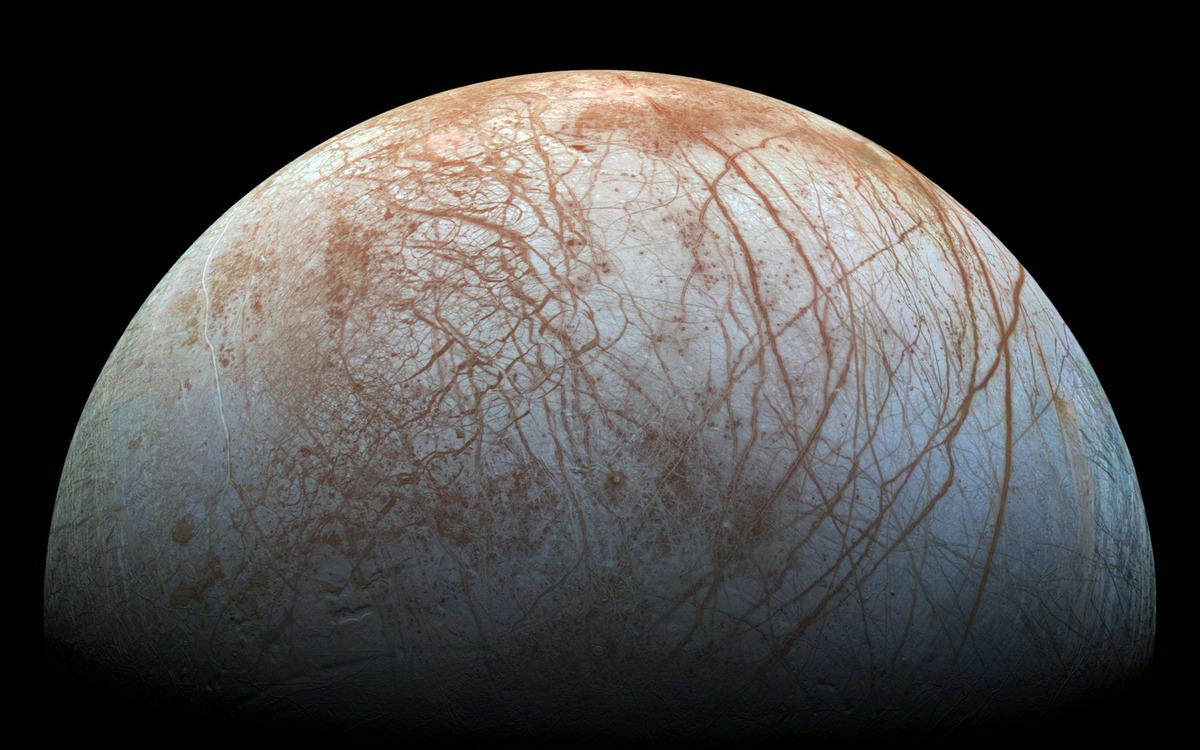
Jupiter’s moon Europa in color from NASA’s Galileo spacecraft, a pale icy globe crossed by reddish-brown cracks and streaks against a black background
Discovery

Europa’s Giant Sodium Cloud Points to Its Hidden Salty Ocean

More than 20 years of Keck Observatory data show the salt-atom cloud around Jupiter’s moon Europa stays steady no matter what volcanic Io does. Here is why scientists think it comes from Europa’s own ocean.

Nov 23, 2026 7 min
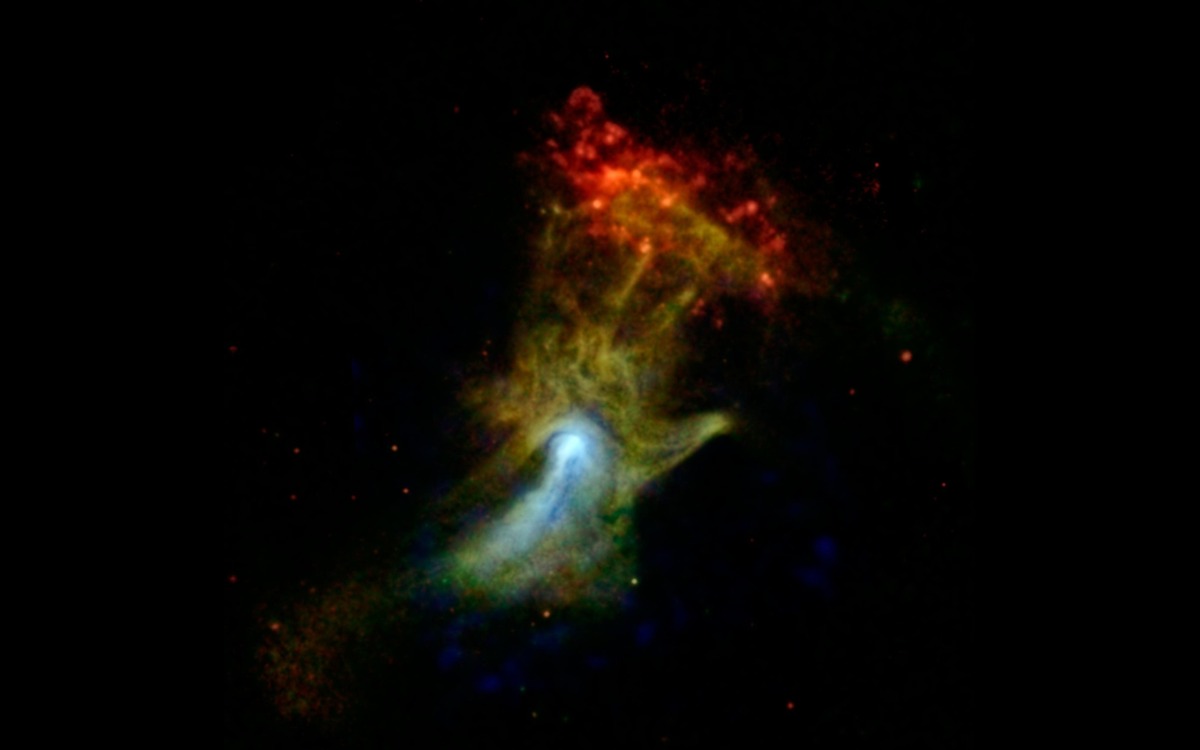
The Hand of God pulsar wind nebula in X-rays: a glowing blue palm and wrist with green fingers and red clouds at the fingertips against a dark background
Science

Are Space Photos Real? How Telescope Images Get Their Colors

NASA’s images are real data, but many show light your eyes can’t see. Here is how the colors are chosen, why nebulas look gray through a telescope, and why people see faces in space.

Nov 22, 2026 8 min
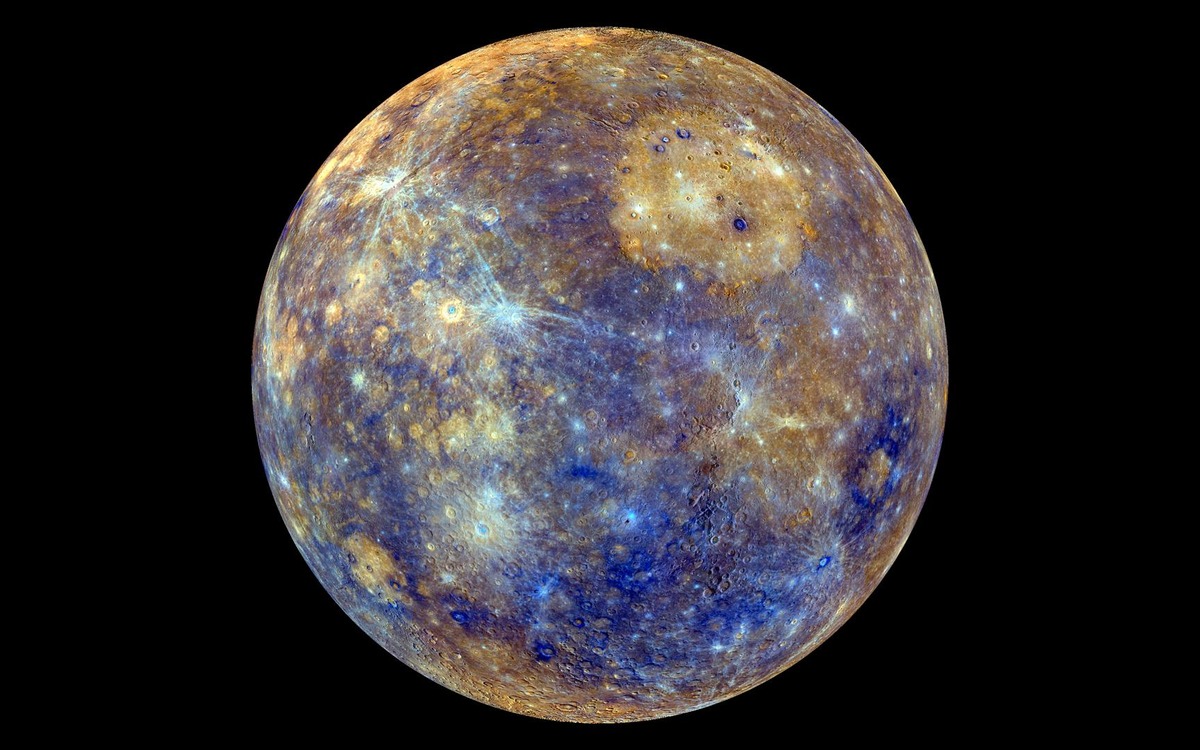
Mercury seen in enhanced color by NASA’s MESSENGER spacecraft, showing tan, blue and gray patches across a cratered globe on a black background
Missions

BepiColombo Arrives in Orbit Around Mercury After an 8-Year Journey

The European-Japanese mission is only the third ever to visit Mercury, and the first to bring two orbiters. Here is why the trip took 6.2 billion miles and what the spacecraft will study.

Nov 22, 2026 7 min
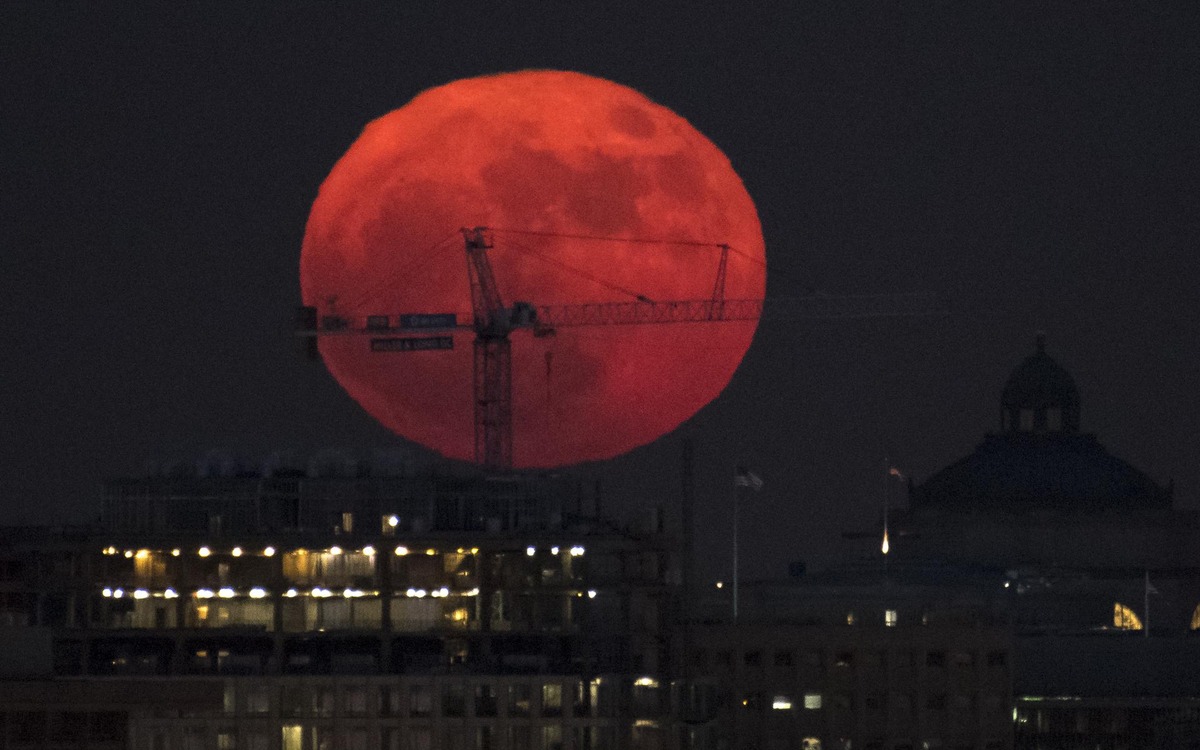
A large reddish-orange full Moon rising behind a construction crane and city buildings at dusk in Washington
Science

Why Does the Moon Look Bigger Near the Horizon?

The rising Moon is not bigger, and it is not closer. It is actually a little farther away. The giant Moon is a trick of your brain, and here is how to prove it with your finger.

Nov 21, 2026 7 min
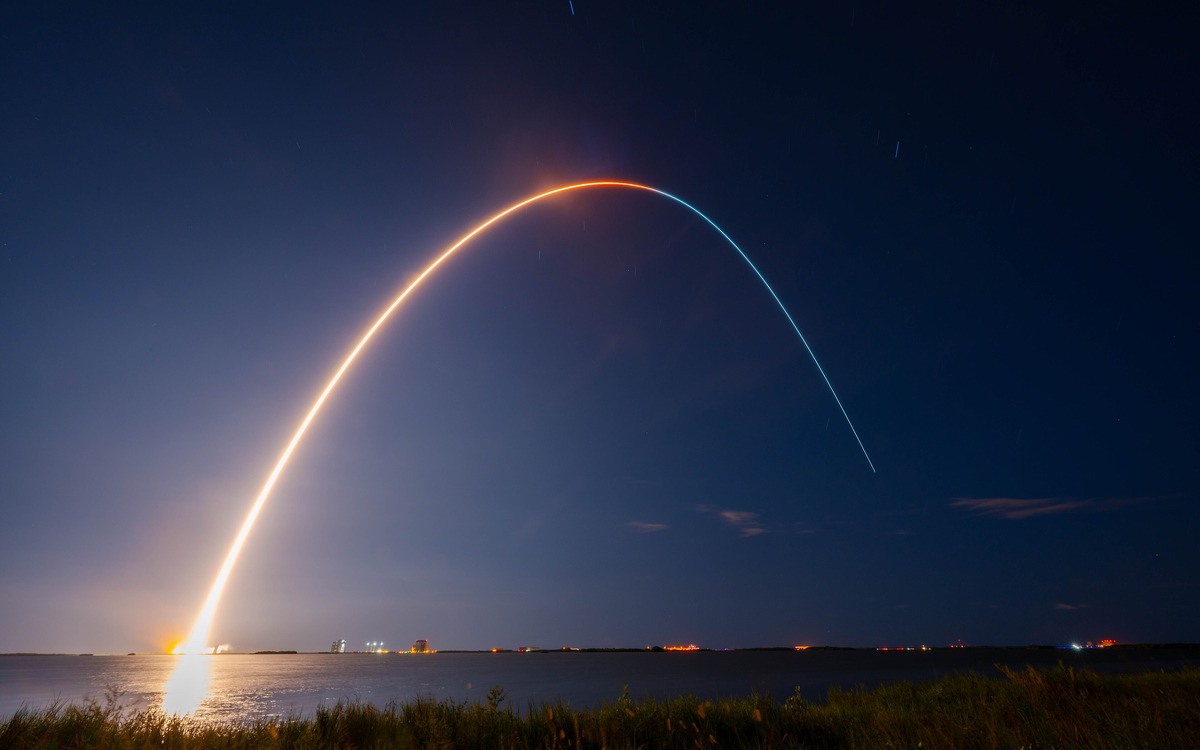
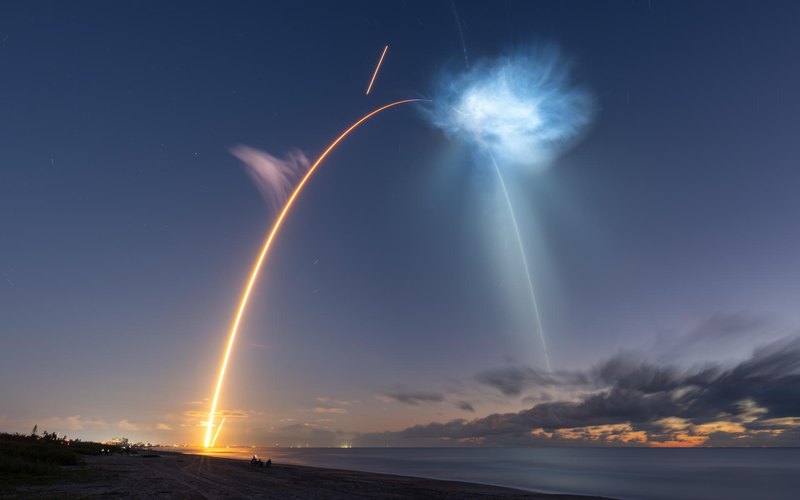
Long-exposure photo of a rocket launch at night: a bright orange arc rises from a distant coastline over calm water and curves across a dark blue starry sky, fading to a thin blue line
Space News

Vulcan Failed, and 40 Amazon Satellites Never Reached Orbit

A day after a Starship came home from orbit, ULA’s Vulcan suffered an anomaly about 10 minutes into flight. It is ULA’s first mission failure in about 20 years. ULA says preliminary data points to too little fuel reaching the BE-4 engines.

Nov 17, 2026 4 min
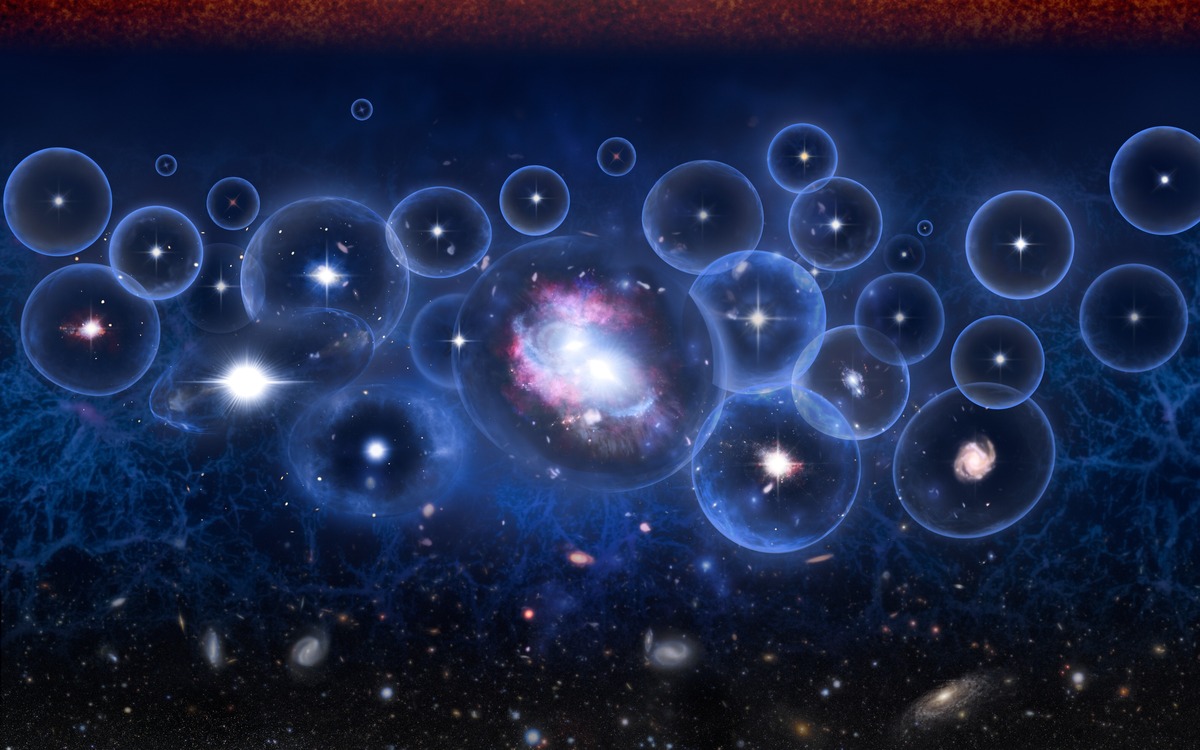
Illustration of the night sky above a red volcanic mountain: the Milky Way, then distant galaxies, then glowing blue bubbles of gas, with two very bright points of light inside the largest bubble at the center
Astronomy

Two Giant Black Holes Grew Up Way Too Fast

Webb and the Gemini North telescope found the oldest close pair of quasars, seen 900 million years after the Big Bang. The two black holes weigh 1.5 billion and 400 million Suns, and no one can explain how.

Nov 16, 2026 5 min
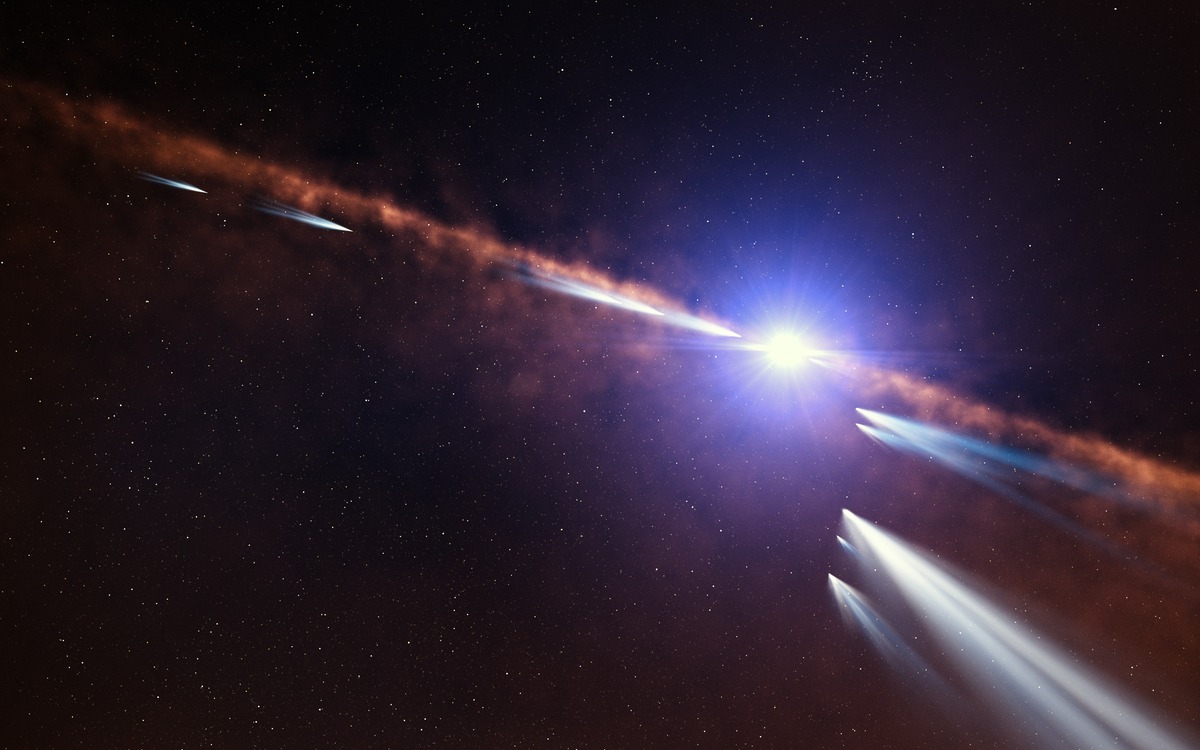
Illustration of a bright blue-white young star with a reddish edge-on disk of dust, and several icy comets with glowing tails streaking toward it against a starry background
Discovery

Webb Found Ice That May Be Older Than Its Star

Around Beta Pictoris, 64 light-years away, Webb found glassy water ice mixed with frozen carbon dioxide, in about the same recipe as comets in our solar system. It probably froze before the star was born.

Nov 15, 2026 5 min
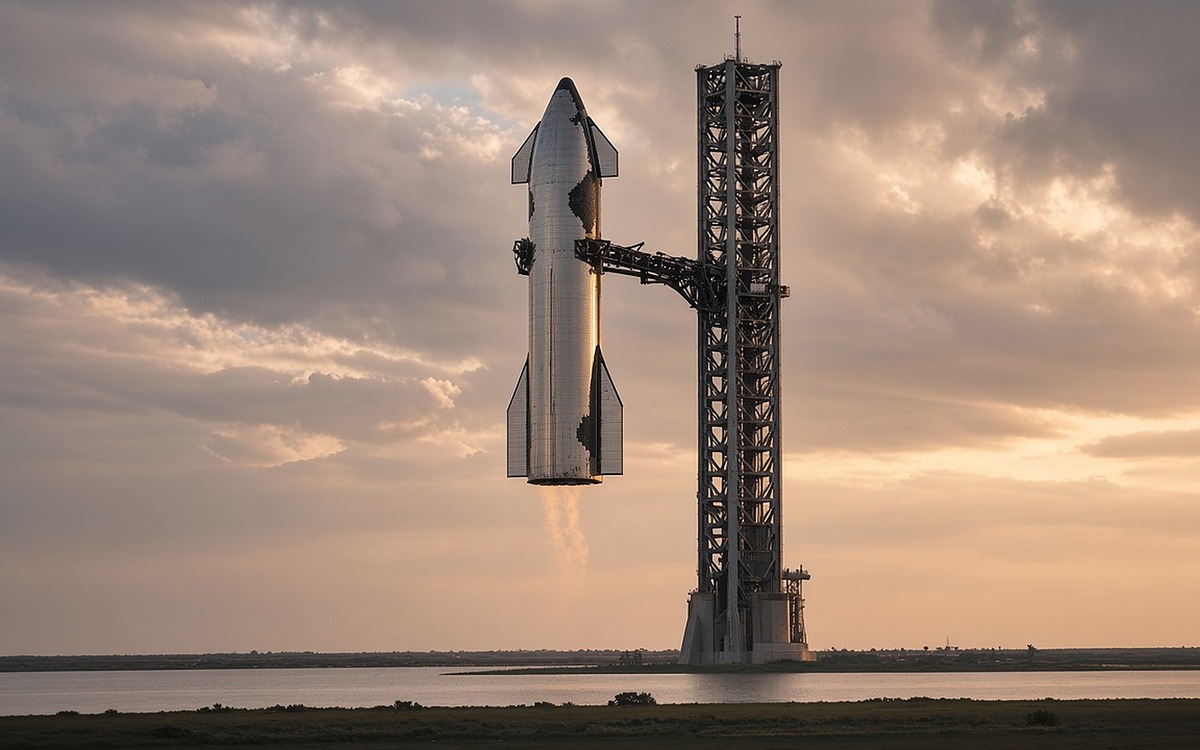
Illustration of a stainless-steel Starship upper stage held in mid-air by two steel arms reaching out from a tall lattice launch tower, above coastal marsh and water under a cloudy sunset sky
Space News

SpaceX Caught a Starship Returning From Orbit

Ship 42 flew about 14 orbits, then settled into the launch tower’s arms at Starbase. The booster on the same flight aborted its own catch and was lost in the Gulf of Mexico.

Nov 14, 2026 4 min
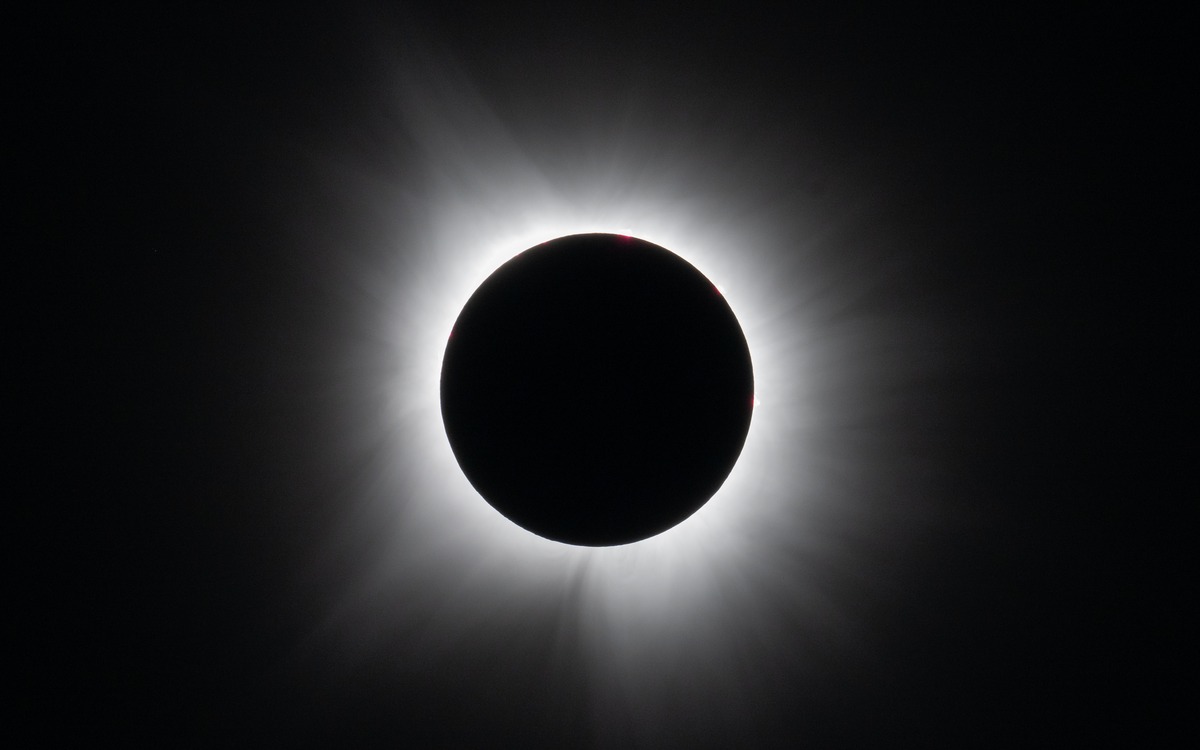
A total solar eclipse: the black disk of the Moon covers the Sun, surrounded by a glowing white corona against a black sky
Discoveries

A Planet Vanished While Astronomers Were Watching

For seven years, NASA’s TESS watched a giant planet cross its star. Then the crossings stopped. A hidden neighbor is tilting its orbit, and it may not line up again for 30 to 50 years.

Nov 12, 2026 5 min
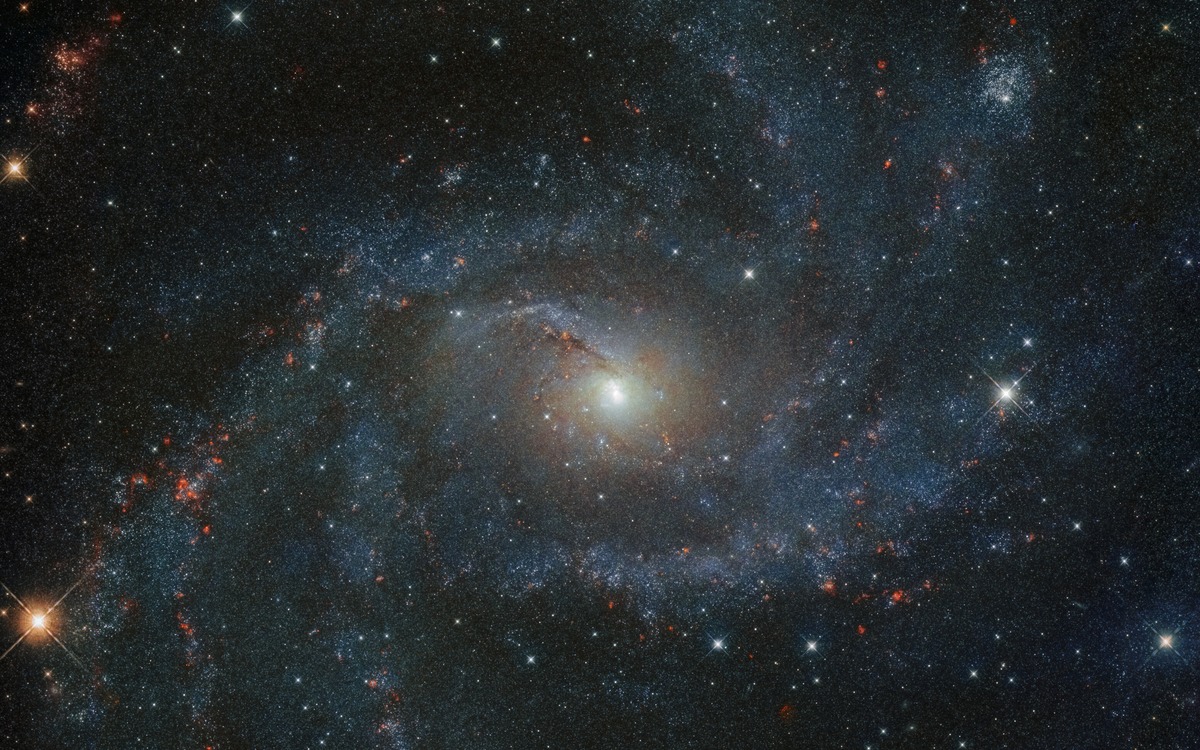
A face-on spiral galaxy with loose blue arms dotted with pink star-forming clouds and a bright yellow core, seen against a field of stars
Astronomy

Some Stars Don’t Explode. They Just Vanish.

A new study of 257 black hole collisions suggests many giant stars may die without a supernova, collapsing quietly into black holes and leaving only a dark patch of sky.

Nov 12, 2026 5 min
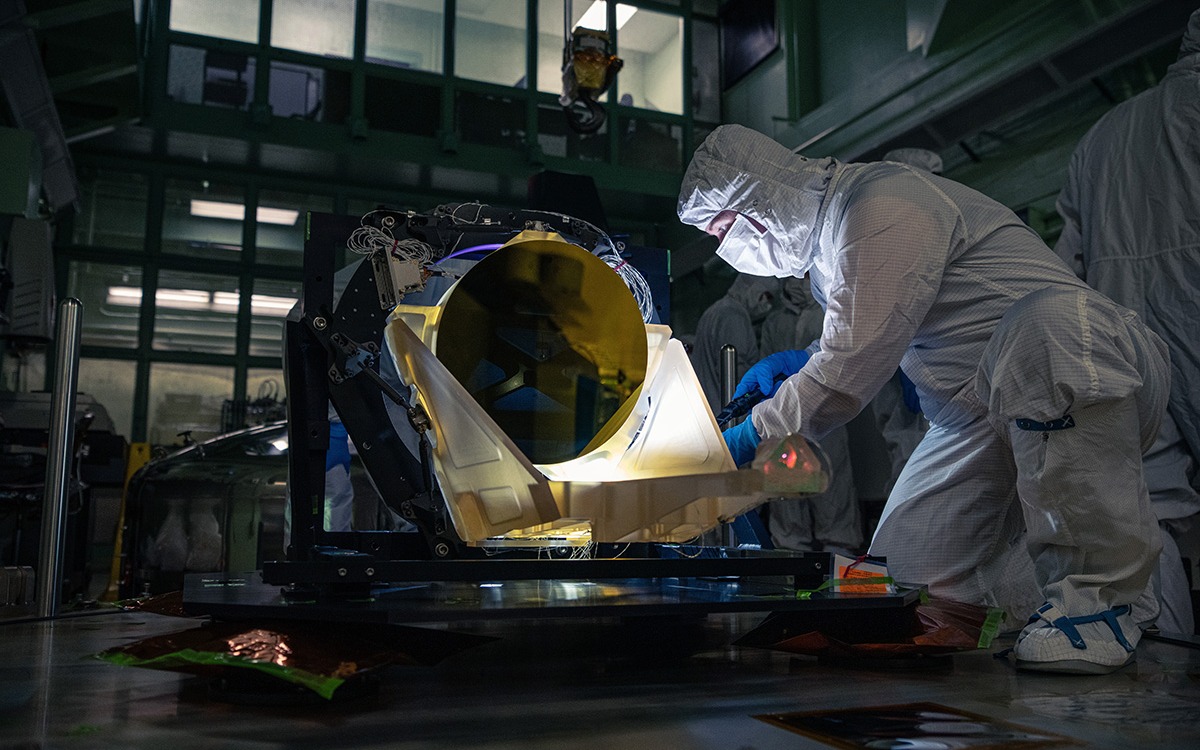
A technician in a white clean-room suit shines a light on a glowing amber telescope with a round gold mirror in a darkened room
Astronomy

Planets Around Dead Stars Could Show Up in Ripples of Space-Time

Two NASA-led studies show how the future LISA observatory could find planets orbiting pairs of white dwarfs through gravitational waves, and how Webb could confirm some of them.

Nov 11, 2026 5 min
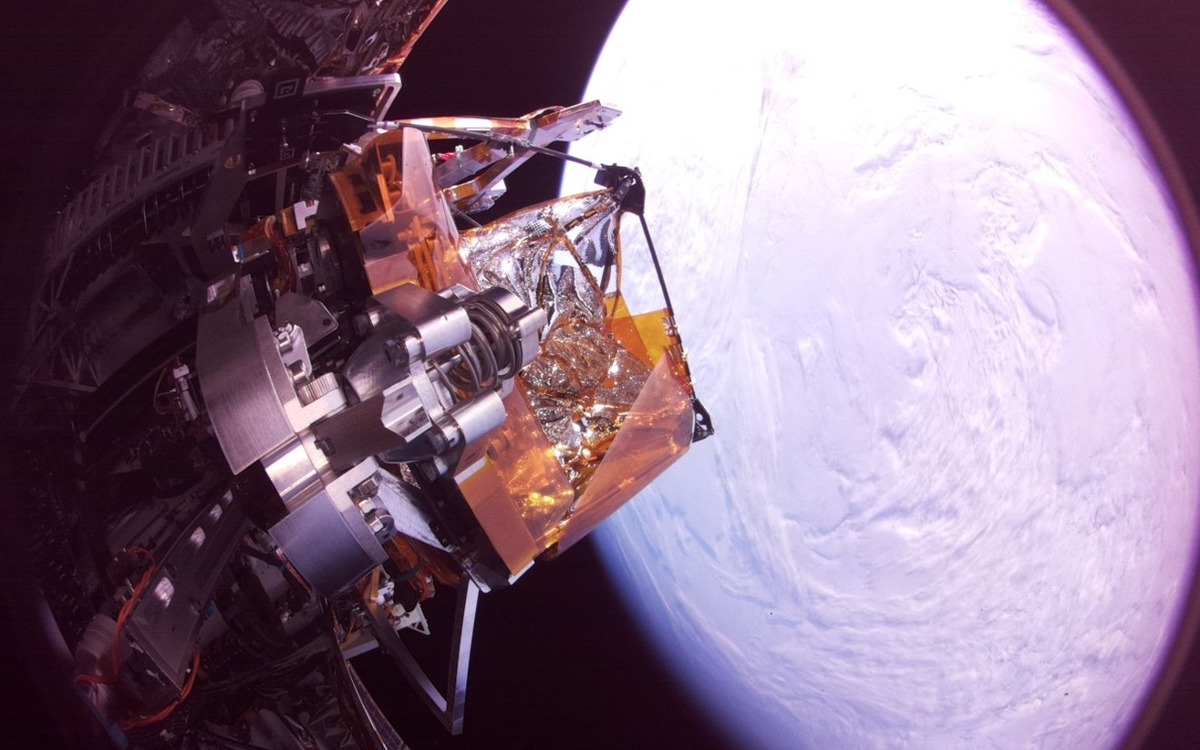
A metal robotic assembly device wrapped in gold and silver foil, seen through a fisheye camera in orbit, with a bright, cloud-covered Earth behind it
Space

For the First Time, a Robot Built a Structure in Space Without Astronauts

A Caltech robot funded by DARPA assembled a new section of an antenna frame in orbit, from a box of struts and joints. It won’t finish the job, but it showed the idea can work.

Nov 11, 2026 5 min
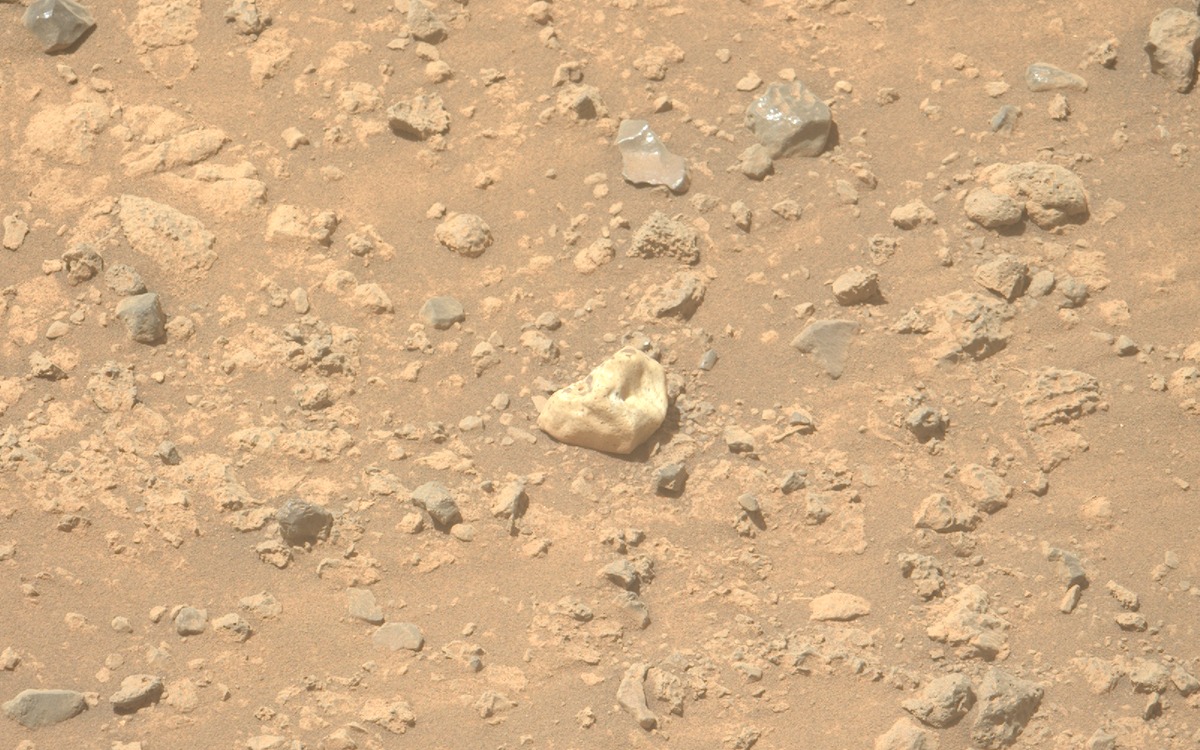
A pale, cream-colored rock sitting among small dark stones on rusty orange Martian ground
Discovery

Three Pale Rocks on Mars Glowed Like Rubies

Perseverance’s laser found tiny grains of corundum, the mineral behind rubies and sapphires, on the rim of Jezero Crater. Mars lacks the geology that usually makes it.

Nov 10, 2026 5 min
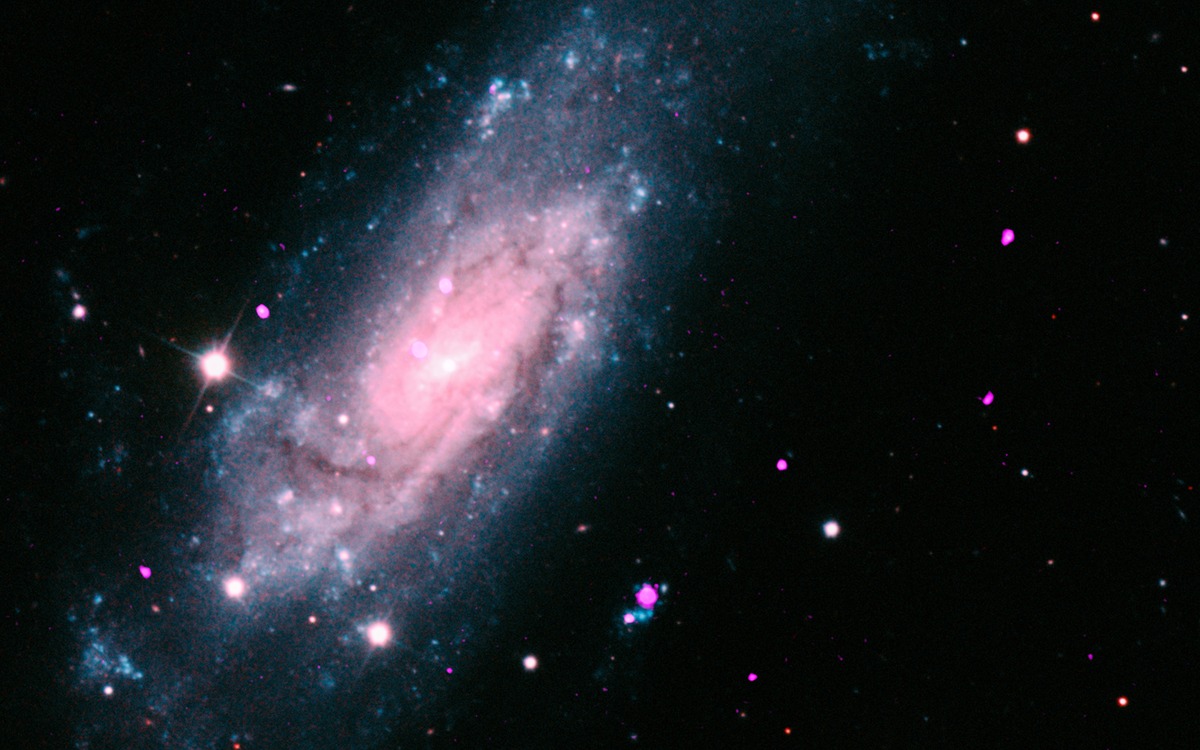
Spiral galaxy NGC 4559 in optical light with magenta X-ray sources from NASA’s Chandra against black space
Astronomy

This Star Keeps Faking Its Own Death. Now We Know Why.

Every 113 days, a giant star in another galaxy flares up like a supernova and survives. NASA’s Chandra has found what sets it off: a black hole or neutron star on an oval orbit around it.

Nov 10, 2026 5 min
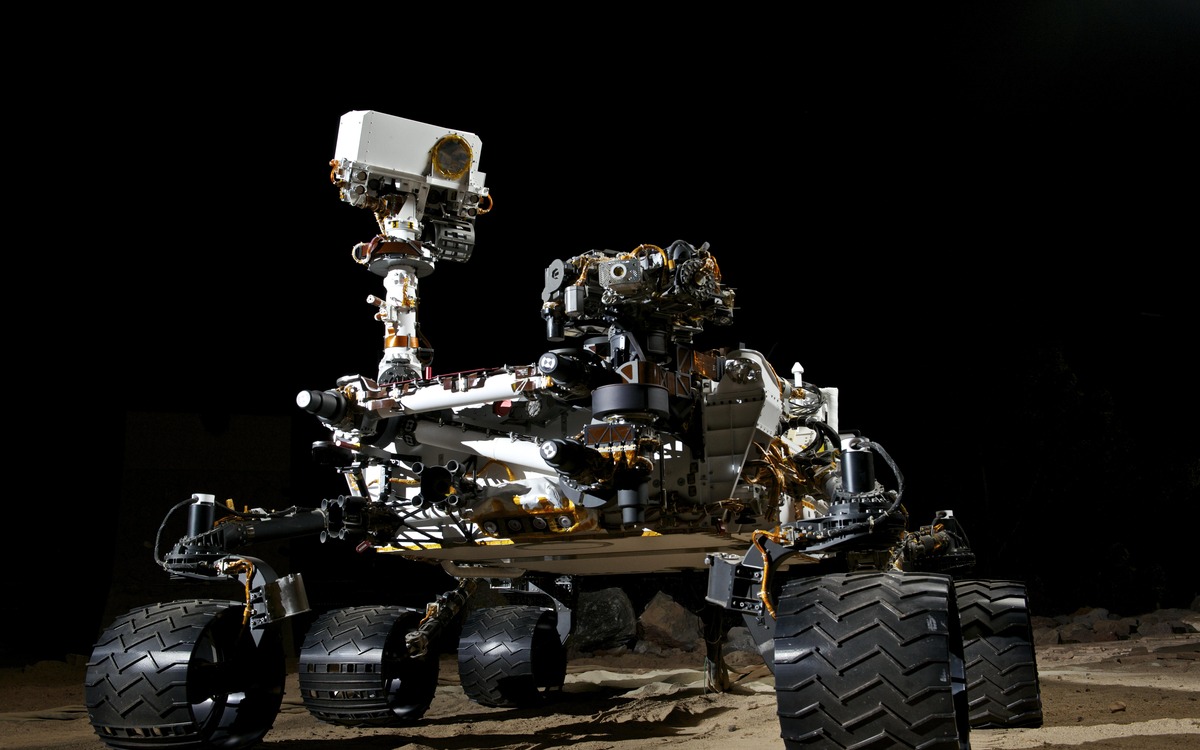
Curiosity’s vehicle system test bed rover lit at night in the JPL Mars Yard against a black sky
NASA

NASA Is Sending a Nuclear-Powered Rover Into the Moon’s Dark

PROMISE, built from Mars rover hardware, is designed to keep working through the lunar night and inside shadowed craters that may hold ice. NASA is targeting a late-2028 launch.

Nov 9, 2026 5 min
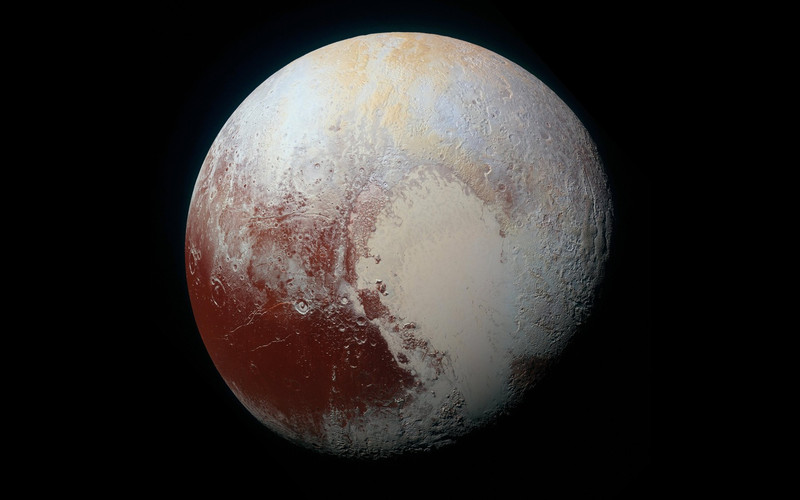
New Horizons view of Pluto showing its bright heart-shaped region and varied icy terrain
Space

Pluto Hasn’t Completed One Orbit Since Its Discovery in 1930

A year on Pluto lasts about 248 Earth years. Its first full trip around the Sun since discovery will finish around 2178.

Nov 8, 2026 4 min
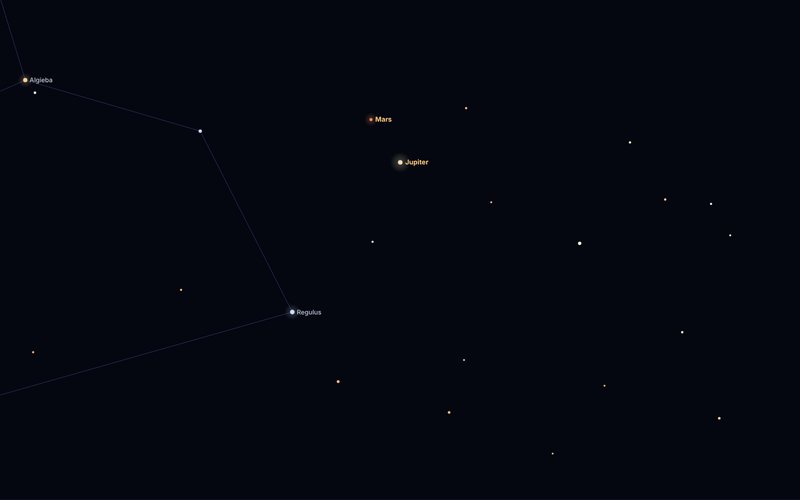
Computer-drawn sky map showing Mars, a small red dot, just above and to the left of Jupiter in the constellation Leo, with the star Regulus below
Space

Mars Meets Jupiter, the Leonids Arrive, Then a Supermoon: Your Next Three Weeks of Sky

Four things to look for between now and Nov. 24, and a free map that shows you where to look from your own backyard.

Nov 8, 2026 6 min
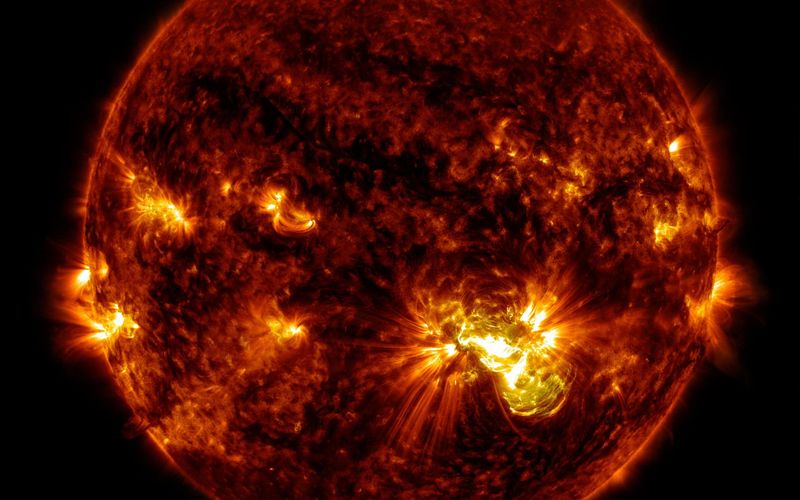
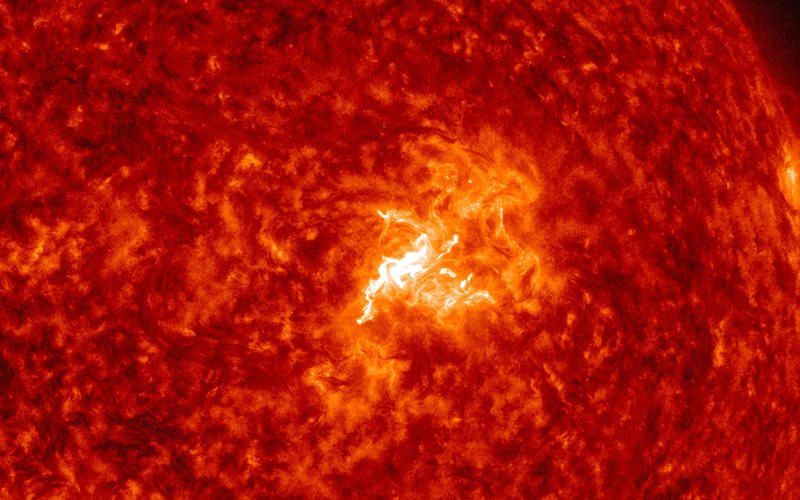
The Sun in extreme ultraviolet light, glowing orange with a bright active region — NASA/GSFC/SDO
Space

What If a Solar Superstorm Hit Tonight?

In 1859, a solar storm shocked telegraph operators and set fire to some telegraph offices. A storm like that today would put the power grid at risk, and a National Academies workshop report put the first-year cost of a severe storm at $1 trillion to $2 trillion.

Oct 25, 2026 5 min
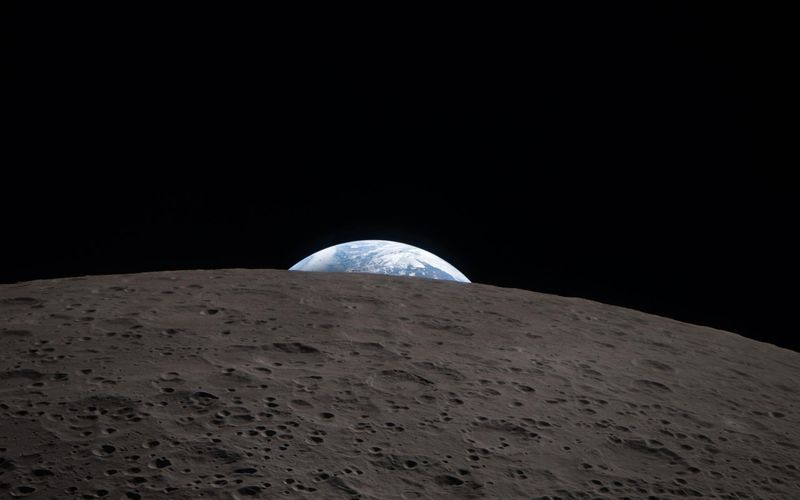
Earth rising above the curved gray surface of the Moon, seen by the Artemis II crew — NASA
Space

The Moon Is Slowly Leaving Us

The Moon drifts about 3.8 centimeters (1.5 inches) farther from Earth every year, and lasers bounced off Apollo-era reflectors let us measure it. NASA estimates total solar eclipses will end in more than 600 million years.

Oct 24, 2026 4 min
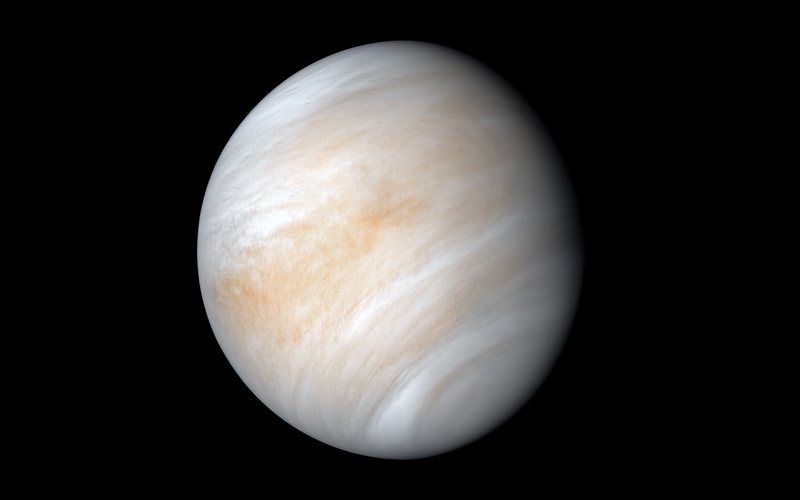
Venus wrapped in pale cream and tan clouds, seen by NASA’s Mariner 10 in 1974 — NASA/JPL-Caltech
Space

What would happen if you landed on Venus?

Venus is almost Earth’s size and our closest planetary neighbour. Its surface is hot enough to melt lead, with air pressure like the deep ocean.

Oct 24, 2026 6 min
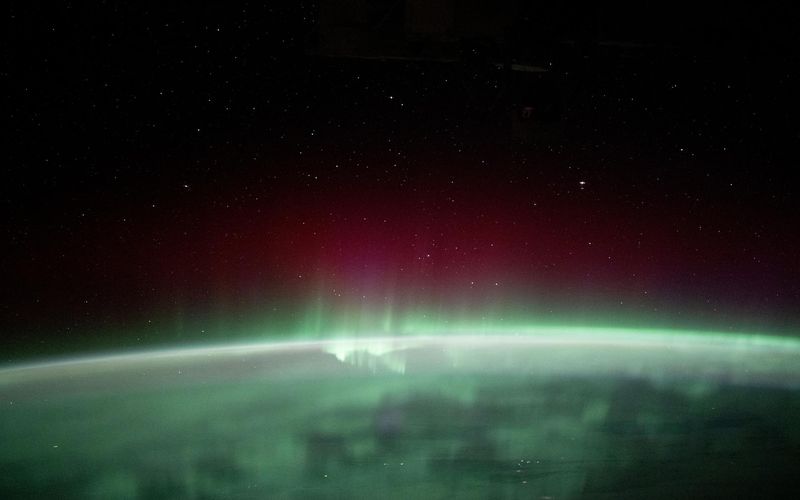
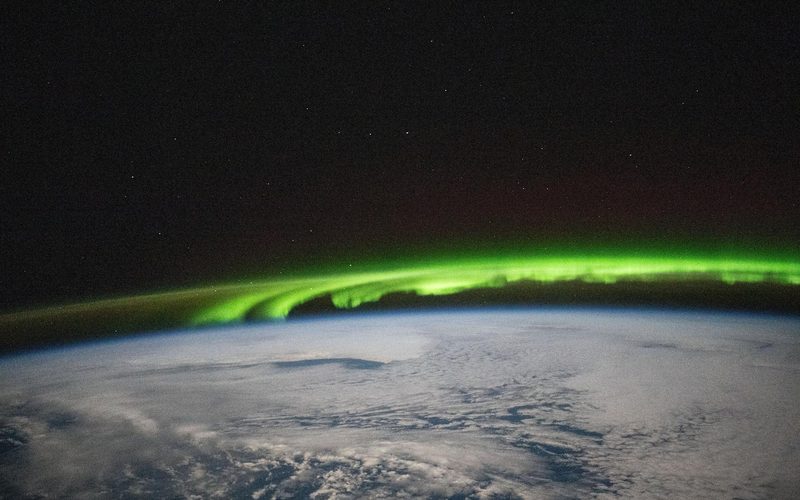
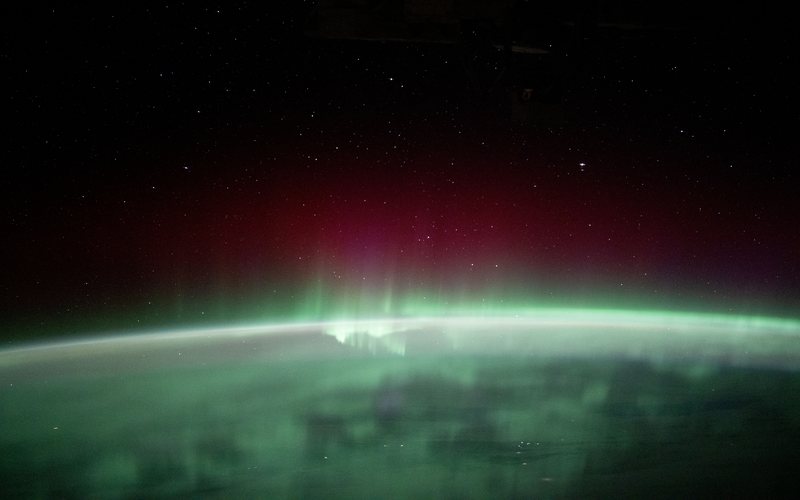
Aurora above Earth’s horizon seen from the International Space Station — NASA
Astronomy

A small aurora chance on Oct. 20, then the Orionid peak

NOAA had a minor (G1) geomagnetic storm watch for Oct. 20, with Kp up to 4.67 from 5 to 8 p.m. ET, so the northern lights could reach high latitudes. The Orionid meteor shower peaked the night of Oct. 21–22.
Oct 20, 2026 4 min
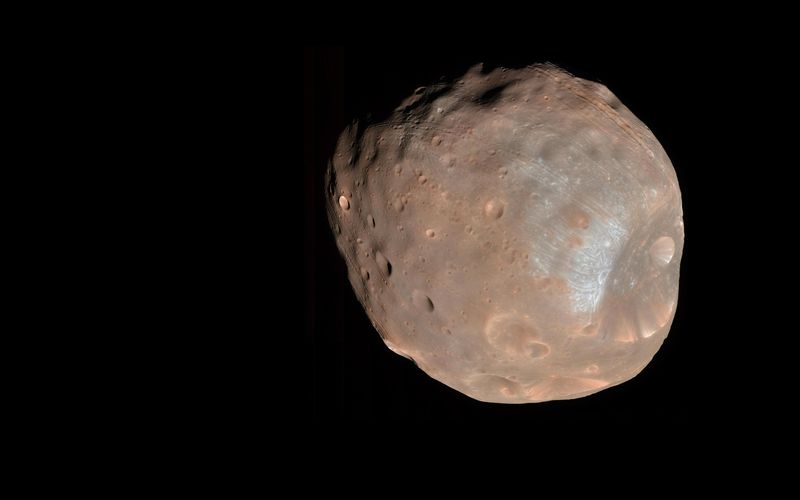
Mars’s moon Phobos, seen by NASA’s HiRISE camera — NASA/JPL-Caltech/University of Arizona
Missions

MMX is on its way to Phobos

JAXA’s Martian Moons eXploration mission lifted off on an H3 rocket at 3:41:03 p.m. ET on Oct. 19 and separated into its planned orbit about 71 minutes later. If all goes to plan, a Phobos sample reaches Earth in 2031.
Oct 17, 2026 5 min
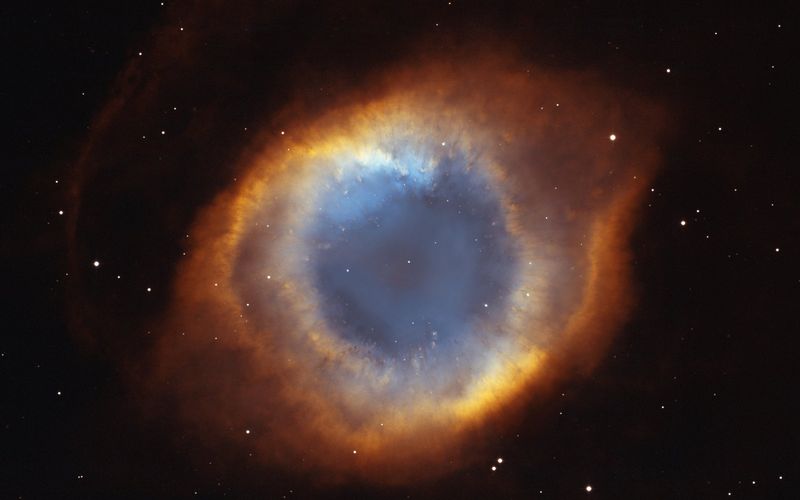
The Helix Nebula, a glowing ring of gas around a white dwarf — NASA/STScI
Astronomy

Astronomers find the first known green star

A University of Warwick study finds that the white dwarf WD J1330+6435 would glow chartreuse green up close, because sodium from swallowed rocky debris absorbs its orange light.

Oct 16, 2026 5 min
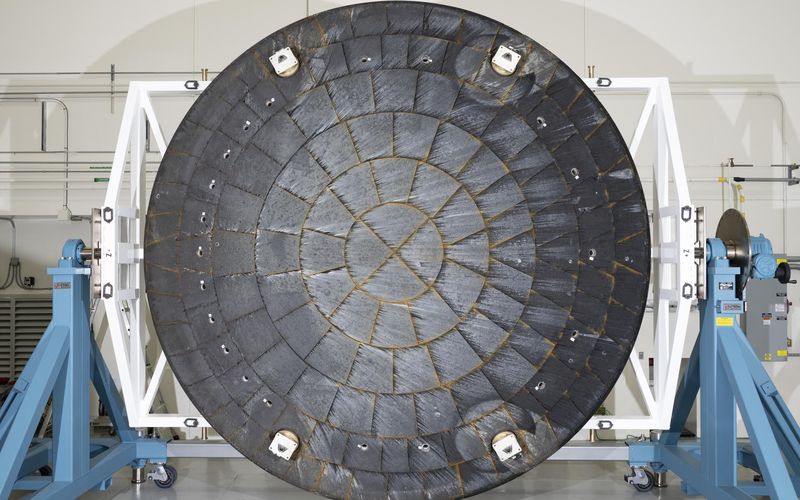
The Artemis II Orion heat shield on inspection stands at NASA Kennedy — NASA
Missions

Artemis II’s heat shield passed the test

NASA’s analysis confirms Orion’s heat shield performed as expected on the first crewed flight around the Moon in more than 50 years. A shorter reentry path cut cracking and char loss tenfold.

Oct 16, 2026 5 min
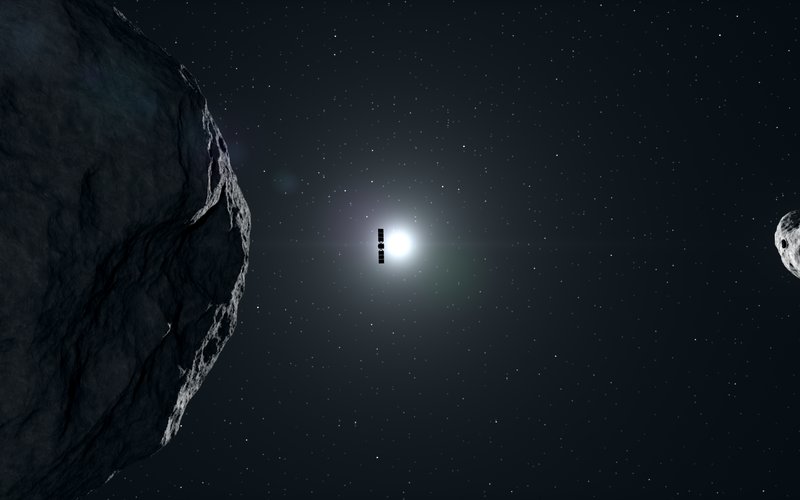
Illustration of ESA’s Hera spacecraft flying between the asteroid Didymos and its moonlet Dimorphos — ESA
Missions

Big Thursday: Hera braked, Dragon docked, Falcon 9 flew

ESA’s Hera fired its thrusters for 93 minutes early Thursday to slow down for the asteroid NASA’s DART hit. CRS-35 docked at 10:27 a.m. ET, Crew-12’s news conference was set for 3:30 p.m. and USSF-481 launched at 8:01 p.m.

Oct 14, 2026 5 min
Green aurora borealis above a cloudy North Pacific, seen from the International Space Station — NASA
Space

How to read space weather alerts

A plain-language guide to NOAA’s G, S and R scales, the Kp index, watches vs. warnings vs. alerts, flares vs. CMEs, and how to use the aurora forecast to see the northern lights.

Oct 14, 2026 9 min
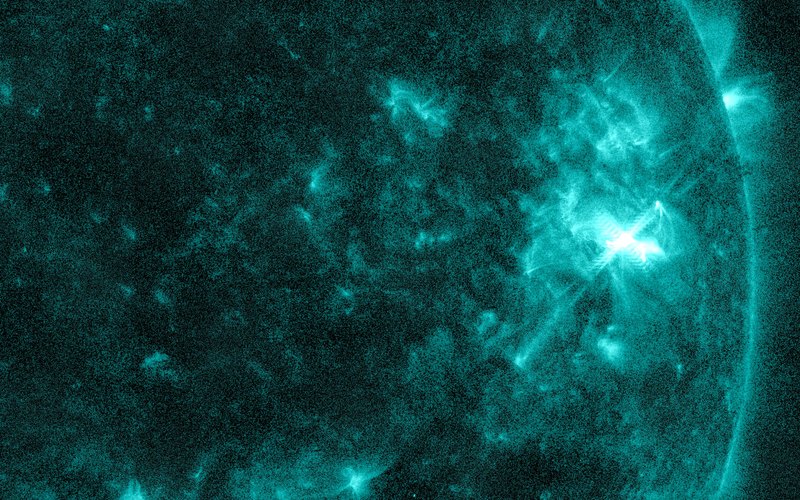
Close-up of the Sun in teal extreme-ultraviolet light with a bright M6.4 flare in Region 4549 — NASA/SDO AIA 131, Oct. 10, 2026
Space

G3 solar storm hit Earth Oct. 10; G2 was possible that night

A CME reached Earth late Saturday morning, Oct. 10, and drove a strong G3 storm, mostly in U.S. daylight. NOAA’s 6:05 p.m. ET forecast kept G2 possible from 8 to 11 p.m. ET that night.

Oct 10, 2026 5 min
Close-up of the Sun in red extreme-ultraviolet light with a bright M6.7 flare in Region 4549 — NASA/SDO AIA 304, Oct. 8, 2026
Space

M6.7 flare on Oct. 8; the weekend storm arrived Saturday

Thursday’s strong flare from sunspot Region 4549 sent out a CME. Update: a CME arrived Saturday morning, Oct. 10, and drove a G3 storm; NOAA forecast G2 from 8 to 11 p.m. ET that night.

Oct 8, 2026 5 min

Today in Space

What’s happening beyond Earth today.

Things That Shouldn't Exist

The universe gets strange here.

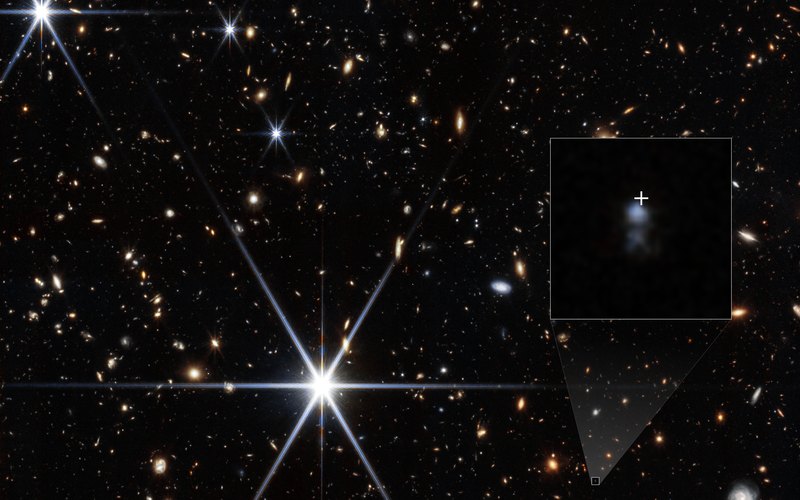
Webb NIRCam deep field with an inset zooming in on the faint host galaxy of FRB 20240304B, a white cross marking the burst — NASA, ESA, CSA, STScI, T. Nanayakkara (USYD)
Discoveries

Webb finds the home of the most distant fast radio burst

FRB 20240304B, caught by South Africa’s MeerKAT in 2024, came from a small, young galaxy just 3 billion years after the Big Bang. It is the most distant fast radio burst traced to its home galaxy, and it points toward magnetars.

Oct 9, 2026 5 min
READ STORY
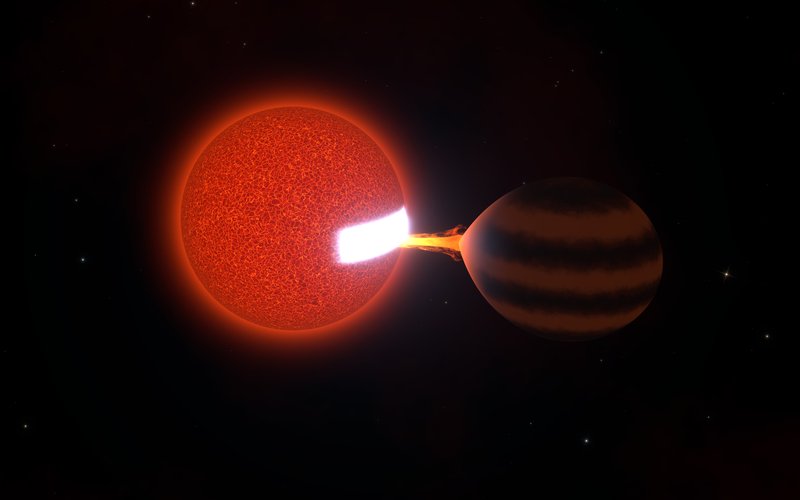
Artist’s impression of a red dwarf pulling a bright stream of gas from a banded brown dwarf
Discovery

A star is slowly eating a brown dwarf

In a system about 300 light-years away, a red dwarf is pulling a steady stream of gas off a brown dwarf every 87 minutes. Astronomers had never caught a star doing this — and the meal may go on for billions of years.

Oct 6, 2026 6 min
READ STORY
Artist’s concept of a second-generation gas giant orbiting a hot white dwarf, with atmosphere streaming toward the star
Breaking

A planet candidate risen from a dead star’s ashes

A Warwick-led team reopened a 1999 Hubble spectrum of white dwarf HS 0209+0832 and found chemistry that does not look like any Solar System rock — pointing to a suspected second-generation gas giant boiling off into its dead host.

Oct 5, 2026 6 min
READ STORY
Artist concept of a black hole accretion disk
Deep Space

What a black hole means for everyday life

They sound like science fiction. Their gravity shaped the galaxies we call home — including ours.

Sep 22, 2026 7 min
READ STORY
Crescent of glowing red and cyan gas — the Shrimp Nebula (Sh2-188) in Cassiopeia
Deep Space

The strange star that looks like a shrimp

A white-dwarf remnant races through interstellar gas. The bow shock it leaves behind looks like a shrimp.

Sep 29, 2026 6 min
READ STORY
Colour polar view of Saturn’s south pole showing a labeled 10-sided atmospheric wave (decagon)
Discovery

Hubble tracks a new 10-sided storm around Saturn’s south pole

A giant decagon wave is taking shape near Saturn’s south pole — similar to the famous northern hexagon, but newly forming and still evolving.

Oct 2, 2026 6 min
READ STORY
Space

Beyond Earth

View space →
The Crab Nebula seen by the Hubble Space Telescope: a glowing cloud of orange, green and pale blue filaments around a dark center, with stars in the background
Discovery

Codebreaking Math Found a Hidden Pulsar a Million Times Faster

A dead star spinning 261 times a second was hiding in 15 years of NASA Fermi data. The old search failed after the equivalent of 600 years of computing. A code-breaker’s trick found it in about 10 hours.

Nov 21, 2026 7 min
Four bright orange laser beams shooting from a large telescope inside its open dome toward a star-filled sky with the Milky Way
Science

Why Do Stars Twinkle? (And Why Planets Usually Don’t)

Stars shine with a steady light. The twinkle is added in the last few miles, by our own restless air. Here is how it works, why planets look steady, and how astronomers switch the twinkle off.

Nov 20, 2026 7 min
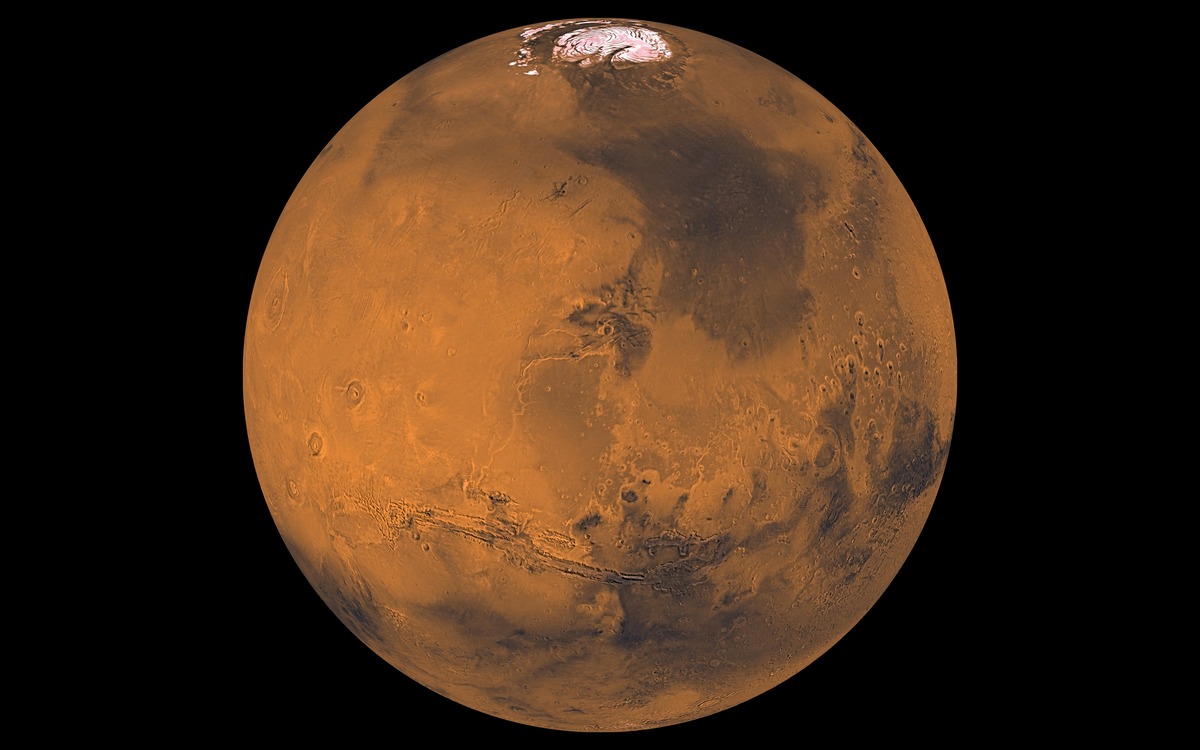
Mars as a rust-orange globe on a black background, with the long dark scar of the Valles Marineris canyon system across the middle
Missions

Two NASA Mars Missions Are Having Trouble at the Same Time

Perseverance has paused its science while engineers study problems with both of its UHF radios, and Mars Odyssey has a stopped reaction wheel. NASA says it does not yet know the cause of the radio faults or whether the wheel can be recovered.

Nov 20, 2026 8 min
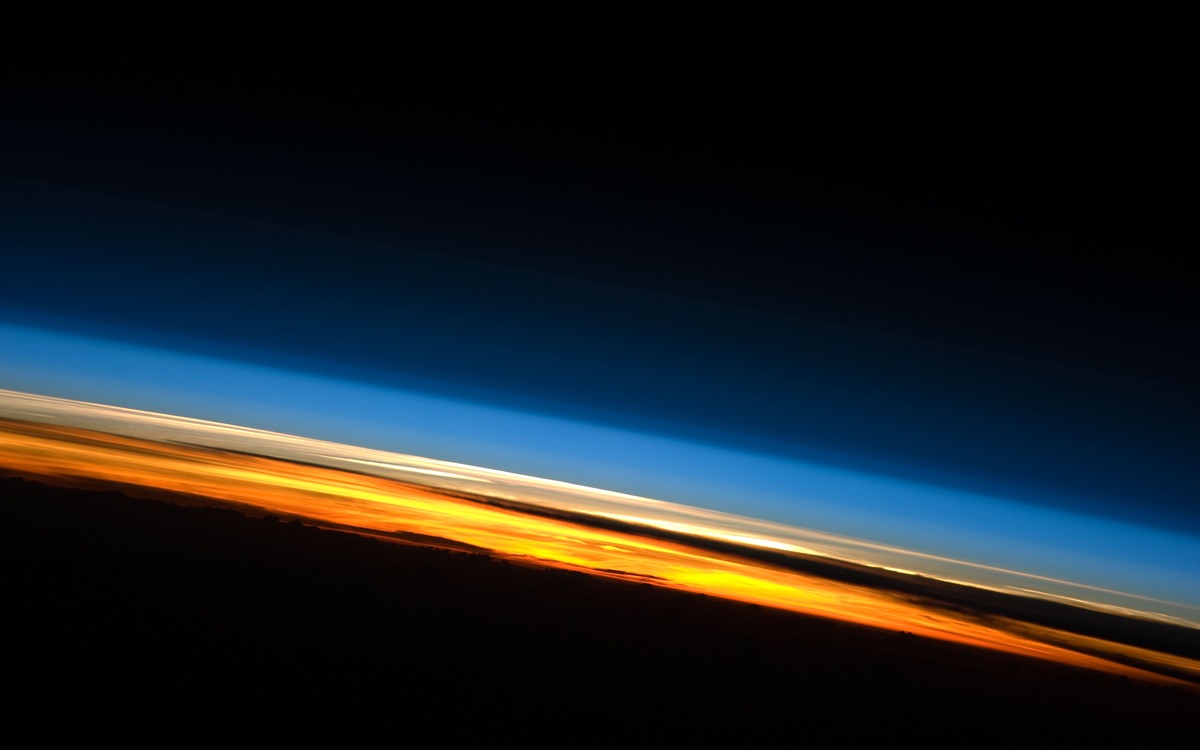
Earth’s horizon at sunset seen from the International Space Station: a thin band of orange and yellow along the dark planet, a layer of bright blue above it, fading into black space
Science

Why Is the Sky Blue? (And Why Not Violet?)

Air scatters blue light about six times more than red. That explains the blue sky, but not why it isn’t violet, why sunsets glow orange or why Mars has blue sunsets. Here is the full answer.

Nov 19, 2026 7 min
Artist’s concept of a huge, glowing red-orange giant star with a tiny bright white companion star sinking into its puffy outer layers
Discovery

Astronomers Watched a Giant Star Swallow Its Companion

For seven years, a smaller star spiraled inside a giant in the Andromeda galaxy. Then it erupted. Webb and four other telescopes caught the first stellar merger of its kind from start to finish.

Nov 19, 2026 7 min
The planet Mars seen from space, a reddish-orange globe with a dark band of canyons across its middle and a white ice cap at the top
Space

How Long Does It Take to Get to Mars?

About seven months for most missions. But the road is not a straight line, it is about 293 million miles long, and it only opens about once every 26 months. Here’s why.

Nov 18, 2026 6 min
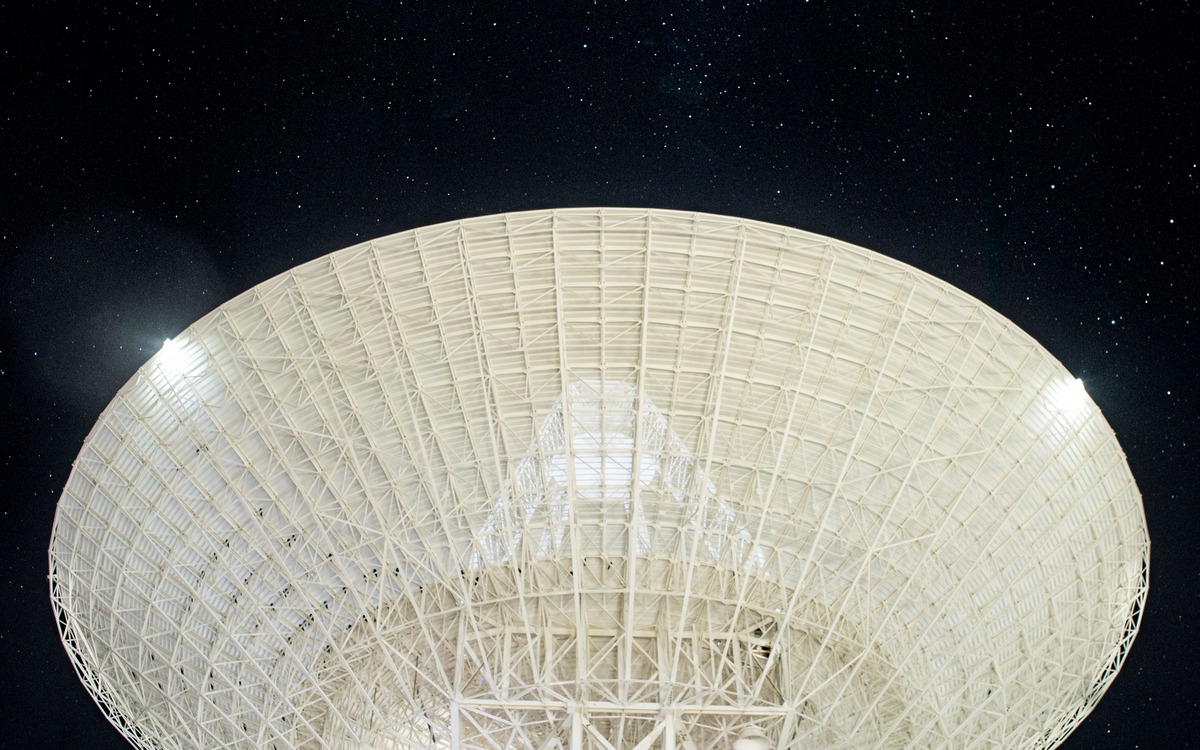
A giant white radio dish antenna pointing up into a black night sky full of faint stars
Missions

Voyager 1 Is Now One Light-Day From Earth

NASA confirmed Voyager 1 crossed one light-day from Earth at 5:16 a.m. EST on Nov. 18. The team has not received science and engineering data since Nov. 14, though a carrier signal is still getting through.

Nov 18, 2026 7 min
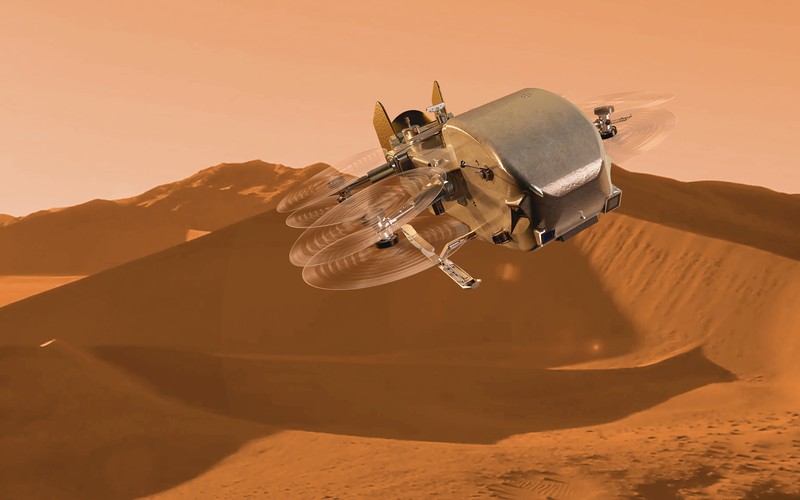
Illustration of NASA’s Dragonfly rotorcraft flying over orange, dune-covered terrain on Saturn’s moon Titan
Missions

Send Your Name to Titan on NASA’s Dragonfly

NASA is collecting names for a microchip that will ride aboard Dragonfly, the rotorcraft set to fly across Saturn’s moon Titan. Sign-ups close Jan. 15, 2027.

Nov 8, 2026 5 min
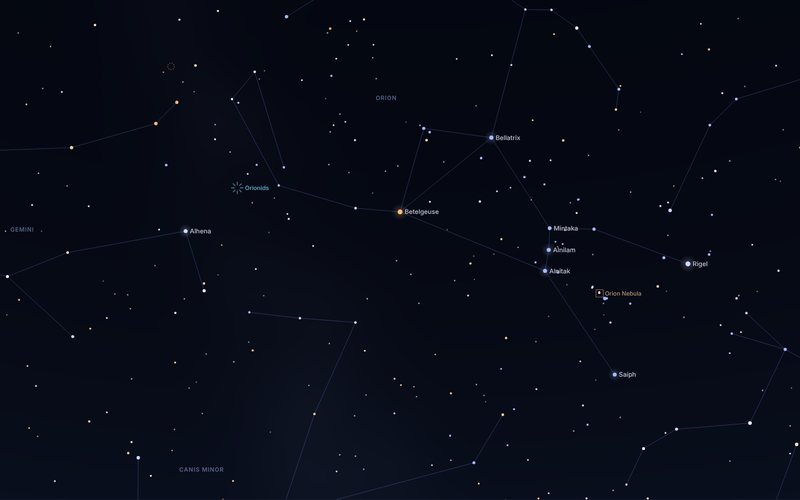
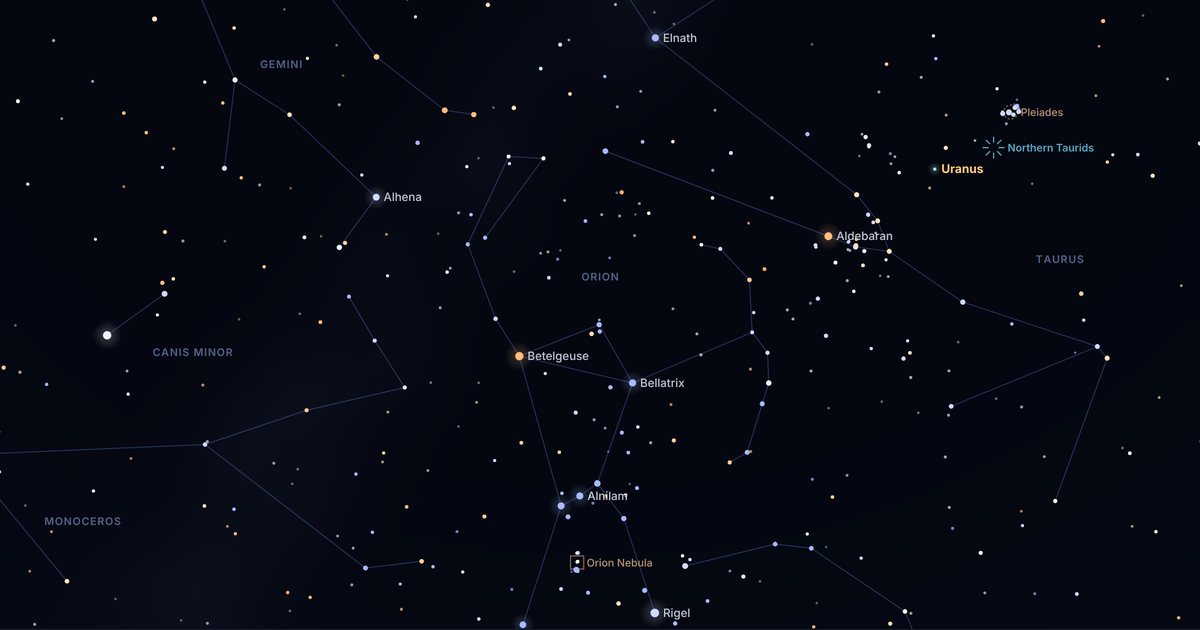
Computer-drawn sky map of the constellation Orion over New York with Betelgeuse labeled at the upper left of the belt stars, plus Bellatrix, Rigel and the Orion Nebula
Space

A Hidden Star May Be Plowing Through Betelgeuse’s Atmosphere

Radio telescopes have found new signs that a small companion star circles the famous red supergiant in Orion, and you can see Betelgeuse in the evening sky right now.

Nov 8, 2026 6 min
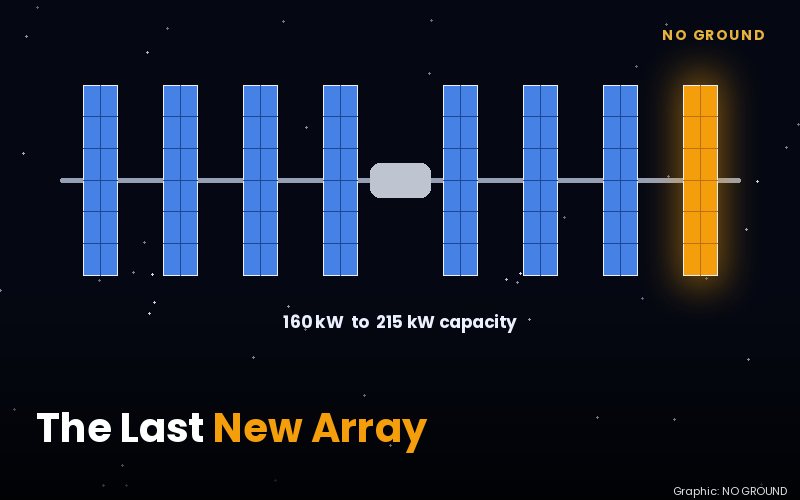
Schematic graphic of a space station truss with eight solar arrays in a row, the last one glowing orange, on a dark starry background — NO GROUND
Space

The Space Station Just Got Its Last New Solar Array

Two astronauts spent almost seven hours outside installing the eighth and final roll-out array, finishing a power upgrade that began in 2021.

Nov 6, 2026 6 min
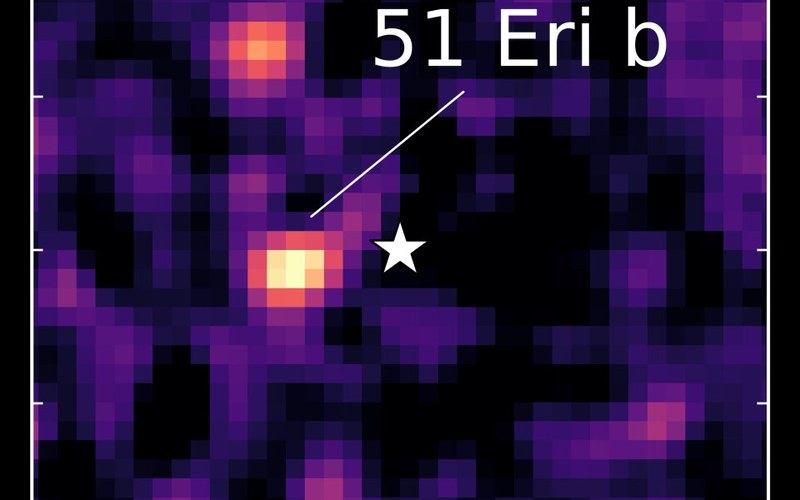
Three-panel JWST comparison: previous glare subtraction, FLIP revealing 51 Eridani b, and a simulated planet signal — visualization by Rodrigo Ferrer-Chavez
Discovery

A Giant Planet Was Hiding in Old Webb Images

A Northwestern-led team cut through starlight glare with a new physics-based tool — and recovered 51 Eridani b at 4.3 microns for the first time.

Nov 6, 2026 5 min
Illustration of a young, clumpy galaxy with a bright center and a glowing orange point farther out, on a dark starry background — NO GROUND
Space

Webb Found Three Giant Black Holes Packed Into One Baby Galaxy

The galaxy is seen as it was 1.2 billion years after the Big Bang. Two of the black holes are about 620 light-years apart and could merge, and a third sits far out on its own.

Nov 5, 2026 5 min
Science

How the universe works

View science →
NASA & Missions

Flights that move the frontier

View missions →
Long-exposure photo of the CRS-35 Falcon 9 launch arc and booster return seen from Cocoa Beach, Oct. 13, 2026 — NASA/John Kraus
Missions

CRS-35 launched with the station’s last new solar arrays

Falcon 9 lifted off at 6:33 a.m. ET Oct. 13 from Cape Canaveral, and its booster landed back at the Cape. Dragon carried more than 6,300 pounds, including the final pair of roll-out solar arrays, and docked at 10:27 a.m. ET Thursday, Oct. 15.

Oct 12, 2026 5 min
Crew Dragon Freedom under four parachutes splashing down in the Pacific off Los Angeles, Oct. 8, 2026 — NASA/Keegan Barber
Missions

Crew-12 is home after 237 days in space

Crew Dragon Freedom splashed down off Los Angeles at 11:34 a.m. EDT on Oct. 8, ending a nearly eight-month space station mission.

Oct 8, 2026 5 min
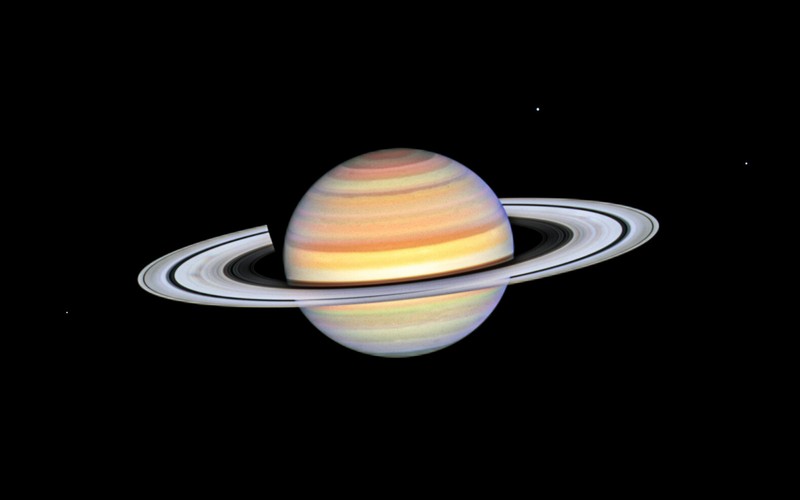
Hubble view of Saturn with banded atmosphere and tilted rings — ESA/Hubble heic2312a
Astronomy

Saturn was at its best in early October

After opposition on Oct. 4, the ringed planet was at its closest and brightest for 2026 — rising at dusk, up all night, and ready for any small telescope.

Oct 7, 2026 6 min
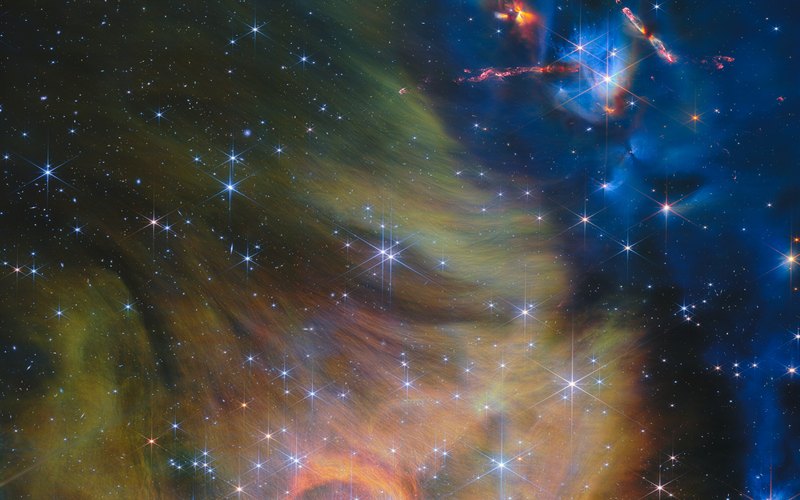
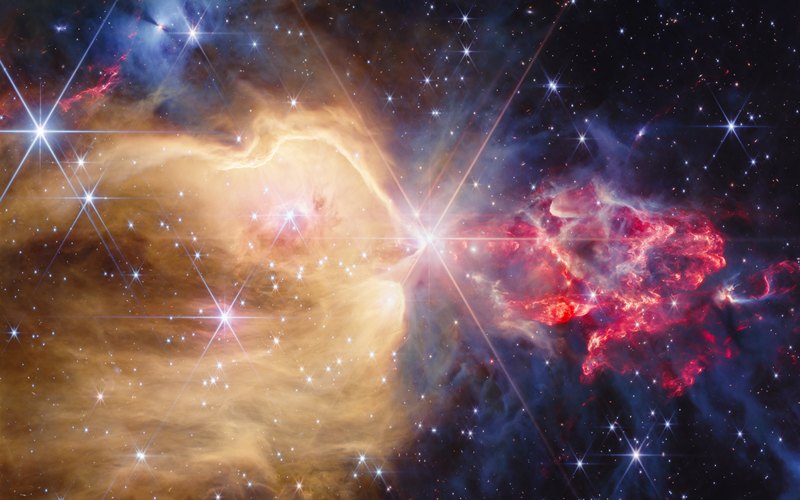
James Webb NIRCam image of NGC 7129: golden cavity left of a bright central star, red shocked gas on the right
Astronomy

Webb peels open a stellar nursery in Cepheus

About 3,300 light-years away in NGC 7129, NIRCam shows mature stars carving a golden cavity while younger protostars blast red shocks into the cold dark.

Oct 6, 2026 5 min
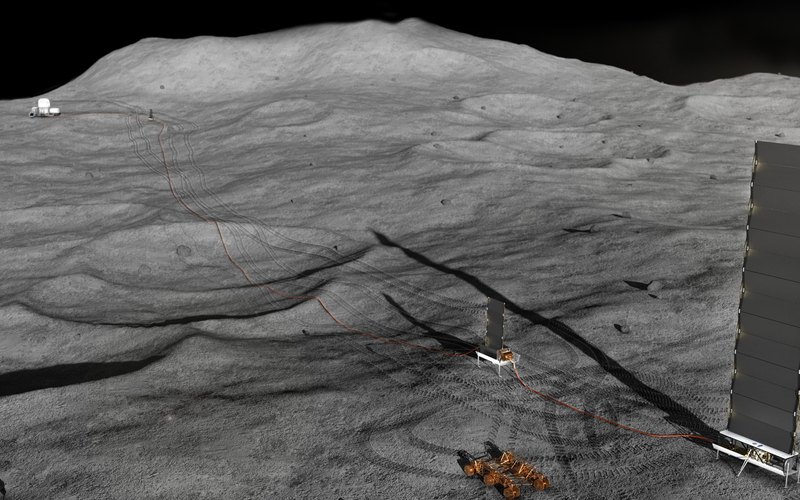
Artist’s concept of a fission power system on the lunar surface: a tall radiator, a smaller unit, cables, and a rover on gray regolith
NASA

A two-week lunar night is why a reactor is on the table

NASA and the Energy Department want a fission power system for the lunar surface by 2030. Russia and China have described power for a joint station in the mid-2030s. Neither machine is on the Moon yet.

Oct 4, 2026 7 min
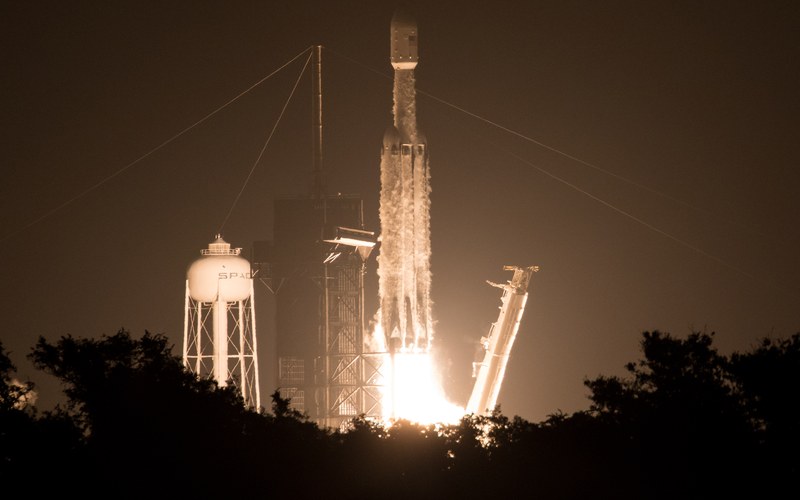
A SpaceX Falcon Heavy rocket lifting off from Launch Complex 39A at NASA’s Kennedy Space Center
Mission Update

Falcon Heavy launches NROL-97 from pad 39A

Liftoff at 11:54 p.m. ET Oct. 1 from Launch Complex 39A. First National Reconnaissance Office flight on Falcon Heavy.

Oct 2, 2026 6 min
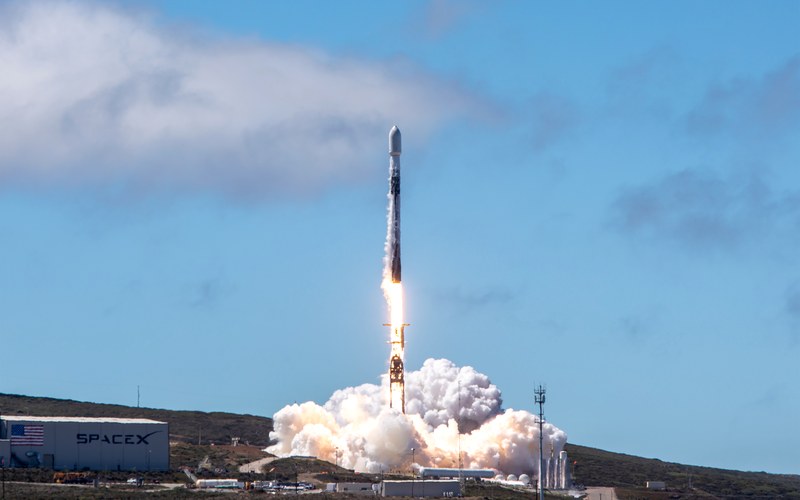
SpaceX Falcon 9 lifting off from Space Launch Complex 4 East at Vandenberg Space Force Base
Mission Update

Transporter-18 succeeds — 130 payloads to SSO

Liftoff ~11:32 a.m. PT from Vandenberg SLC-4E. Deployments wrapped ~3:41 p.m. ET; Google/Planet’s Project Suncatcher rode along.

Oct 1, 2026 6 min
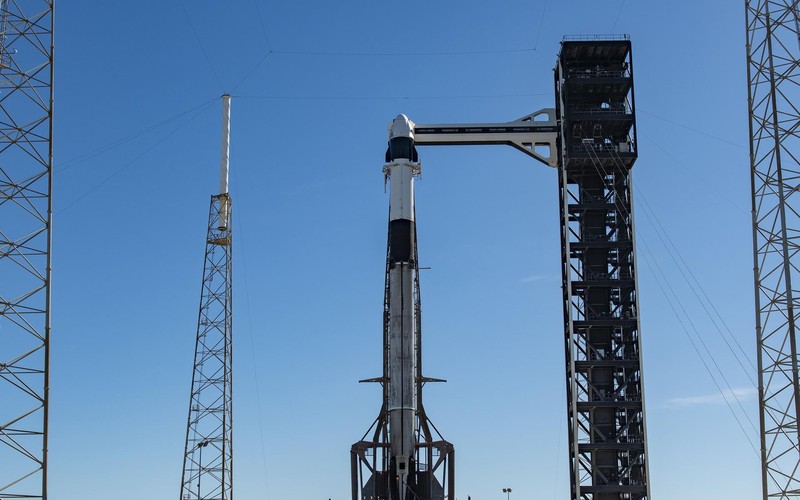
SpaceX Falcon 9 and Dragon Grace vertical at Space Launch Complex 40 ahead of Crew-13
Mission Update

Crew-13 docks at ISS — fastest U.S. launch-to-docking

Docked at 7:05 p.m. EDT Oct. 1 to Harmony’s forward port — 7 hours 55 minutes after liftoff. The hatch opened at 9:19 p.m. EDT.

Oct 1, 2026 6 min
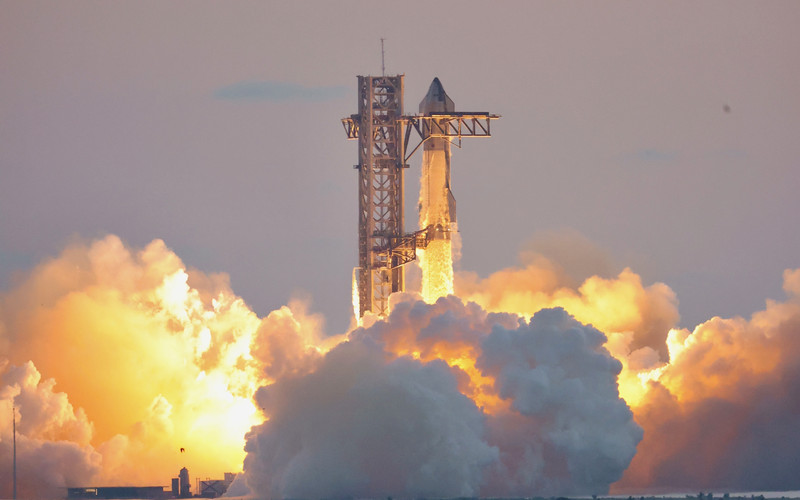
SpaceX Starship lifting off from Starbase next to the launch tower, engines glowing through smoke
Space News

Starship reaches orbit — Flight 14 deploys 26 Starlinks

Flight 14 left Starbase, delivered 26 Starlink satellites, then came home hard — a Pacific splashdown wrapped in fire.

Sep 28, 2026 6 min
Stay curious

The universe doesn't stop. Neither do we.

Stories worth your time, plus reels you can watch in 30 seconds. Follow NO GROUND so you never miss what's happening beyond Earth.